
Naturally varroa surviving populations

2025-02-24T15:02:29+11:00Breeding, Pests and diseases, Varroa|

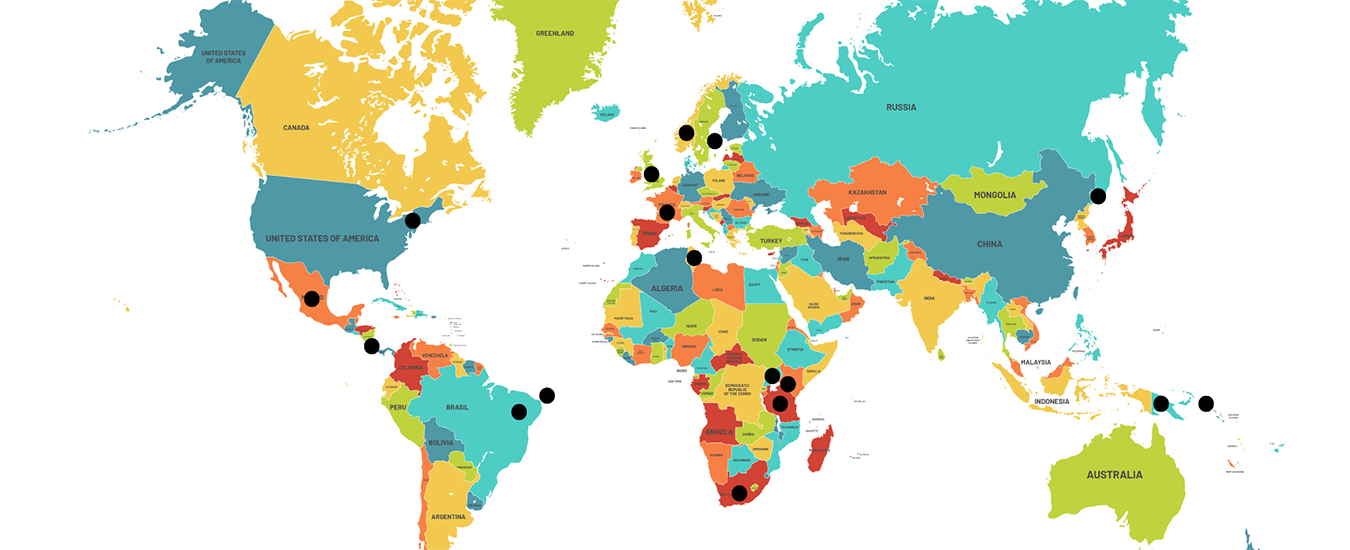
The Australian Government predicted that 50-60% of beekeepers, mostly recreational and small commercial, would leave the industry should varroa become established in Australian honey bee colonies, and that there would be a small decrease (less than 5%) in the number of hives kept by large commercial beekeepers. Based on data from the United States and Europe they predicted that 95—100% of the feral population would die within four years of an area getting varroa. The difference in the rate of colony death between feral and managed populations is due to managed hives being treated for varroa. Resistance means the bee population keeps mite numbers low. Tolerance means the mite population may be higher, but the population does not suffer ill [...]

Varroa resistance: mite non reproduction and varroa sensitive hygiene

2025-02-24T15:02:53+11:00Breeding, Pests and diseases, Varroa|

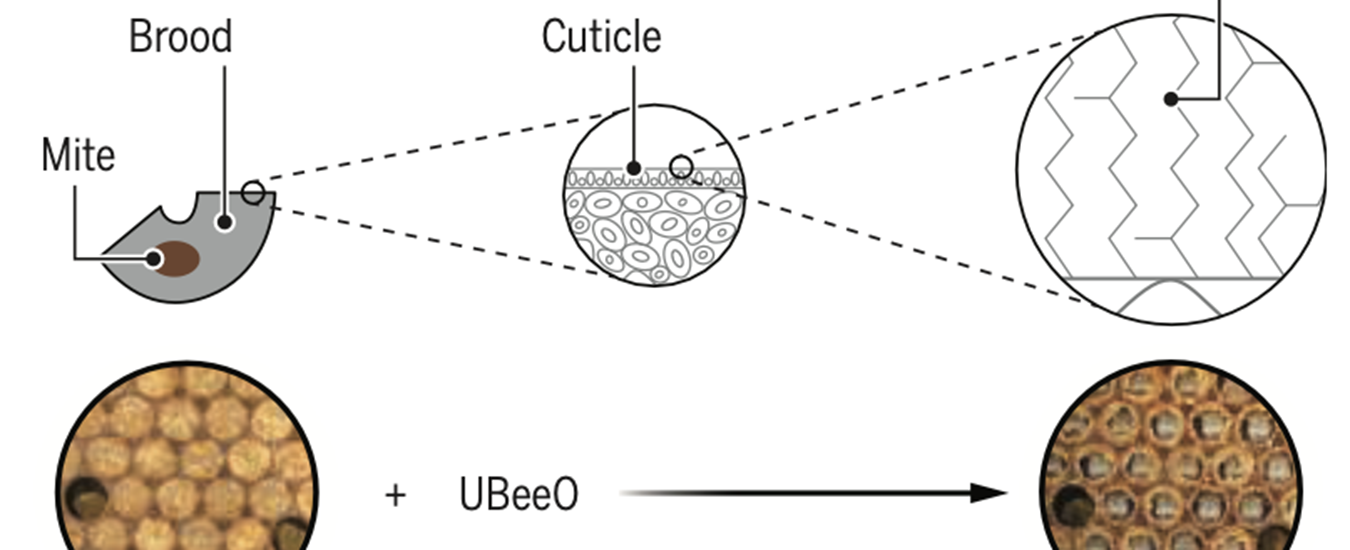
Mite non reproduction (MNR) or suppressed mite reproduction (SMR) is a suite of traits, and factors, that work together to limit successful mite reproduction. Some bee specific traits can be selected individually, such as Varroa sensitive hygiene (VSH),  recapping (REC), and hygienic behaviour (HYB) (Figure 1). However, by focussing on singular traits, we fail to recognise and promote all the mechanisms that honey bees have to keep mites from reproducing in their colonies. MNR also includes mite specific factors and traits that limit reproduction (e.g. infertile males). When quantifying MNR it’s important to remember that this trait is a product of the actions of both the bees (suppressed mite reproduction) and the mites themselves (inability to reproduce). Figure 1. [...]

New tools for selecting varroa resistant bees: unhealthy brood odour and varroa volatiles

2025-02-24T15:03:16+11:00Breeding, Pests and diseases, Varroa|

Varroa Sensitive Hygiene (VSH) occurs when workers recognise that the brood has been infested with varroa and uncap the cell. They may then recap the cell or remove the parasitised brood from the cell. Uncapping and recapping can be enough to disrupt the varroa brood cycle, but removal of infected pupae will definitely reduce mite population growth. VSH is one trait that has been selected for in varroa resistance breeding programs. Although breeding for VSH occurs around the world, there is yet to be a globally adopted protocol for selection. The selection assays are time consuming and laborious, hindering wide-scale uptake of this important trait. The trade-off between cost to perform the selection assay and commercial benefit of developing varroa [...]

Go to Top