Finding facts in the winds of change
Cropping farmers are no strangers to uncertainty. Every year they face climatic and market challenges while running complex businesses across some of Australia’s most productive agricultural land. Now the Wimmera Southern Mallee is facing a different kind of uncertainty, as renewable energy companies identify its landscape as suitable for large-scale wind farm development.
Some farming businesses see this as a diversification opportunity. Others view it as a threat to their viability, their way of life, and the social fabric of their communities. Many sit somewhere in between, trying to work out what is actually known, what is contested, and what remains genuinely unresolved. Wimmera Southern Mallee Development (WSM) designed a drought resilience project to address that gap.
Farm business resilience depends on more than seasonal rainfall. It also depends on landholders being able to make informed decisions about the pressures and opportunities bearing down on their properties. With wind farm proposals accelerating across the region, WSM commissioned independent experts to research and present findings on key questions and made those findings publicly available.
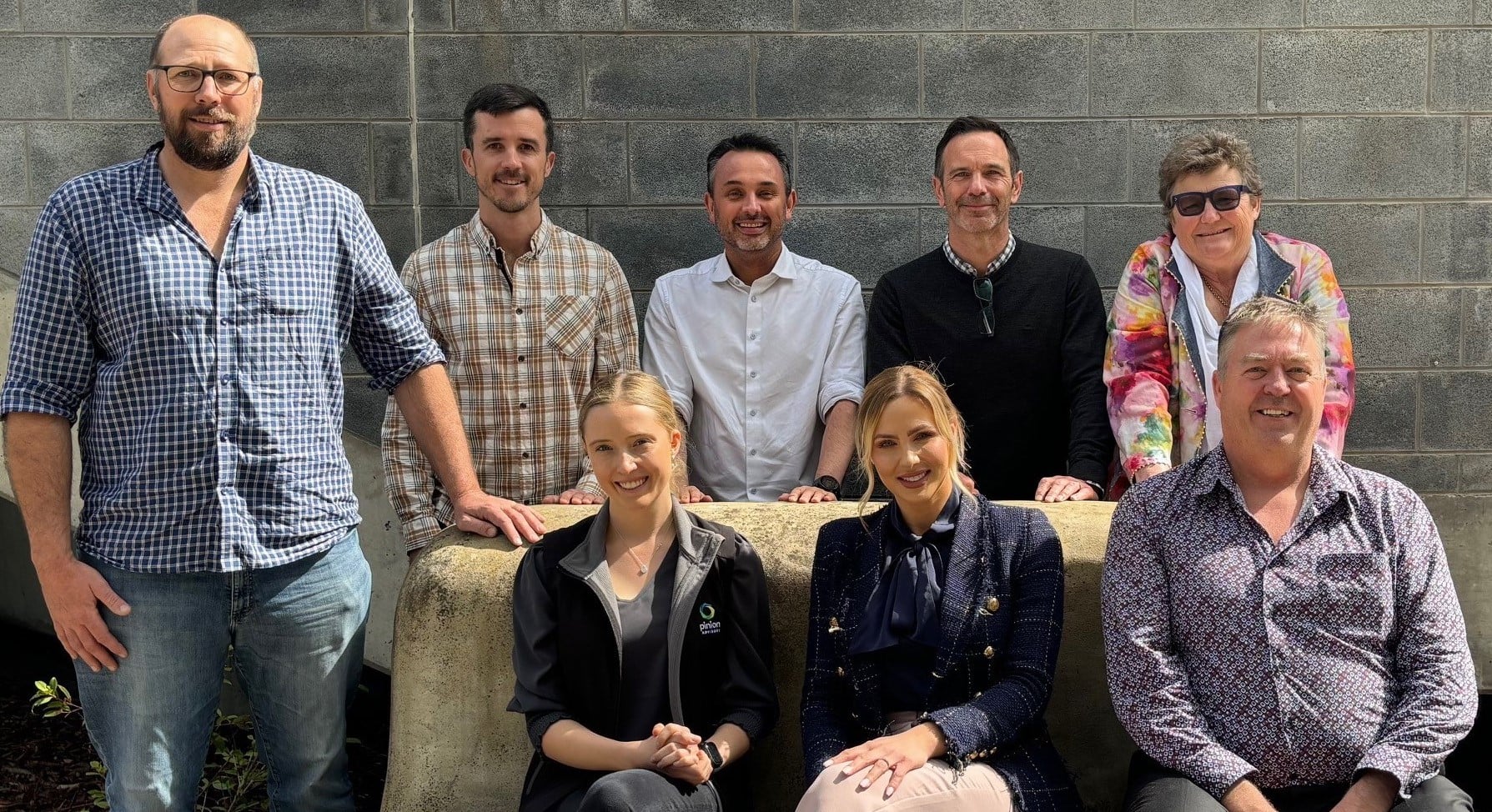
Four speakers presented at the Energy and Agriculture forum in late 2024 and delivered follow-up online webinars.
Dr Madelaine Taylor from Macquarie University presented her agri-justice framework, which examines the legal and policy gaps affecting agricultural landholders in renewable energy development, the recognition of physical and operational impacts on farming businesses, and the case for co-benefits that go beyond individual host arrangements. That framework has since been shared with government agencies, developers and other stakeholders involved in project planning.
Impacts of high-voltage powerlines on Global Navigation Satellite Systems (GNSS) and mobile telecommunications were discussed by Precision agriculture consultant Adrian Roles. His research found that mobile phones had no significant impact on GNSS performance, and that GNSS accuracy was only slightly affected under the conditions studied, with newer equipment showing fewer effects.
Documented impacts from hosting turbines on broadacre properties were outlined by Dr Kate Burke from Think Agri Pty Ltd, drawing on operational data and case studies. Her report covered infrastructure, economic, social and community dimensions, presenting both the documented benefits and the documented costs rather than a single bottom line.
Chris Stallard and Mark Callanan examined the insurance implications for landholders, covering biosecurity, fire, business interruption and property risks across both the construction and operational phases.
Watch the webinars and read the reports on the Wimmera Southern Mallee Development Projects and Programs page.