Crown Rot Update – 2025 (Victoria)
Crown Rot Update – 2025: Dry Spring Driving Whiteheads in Victorian Cereals
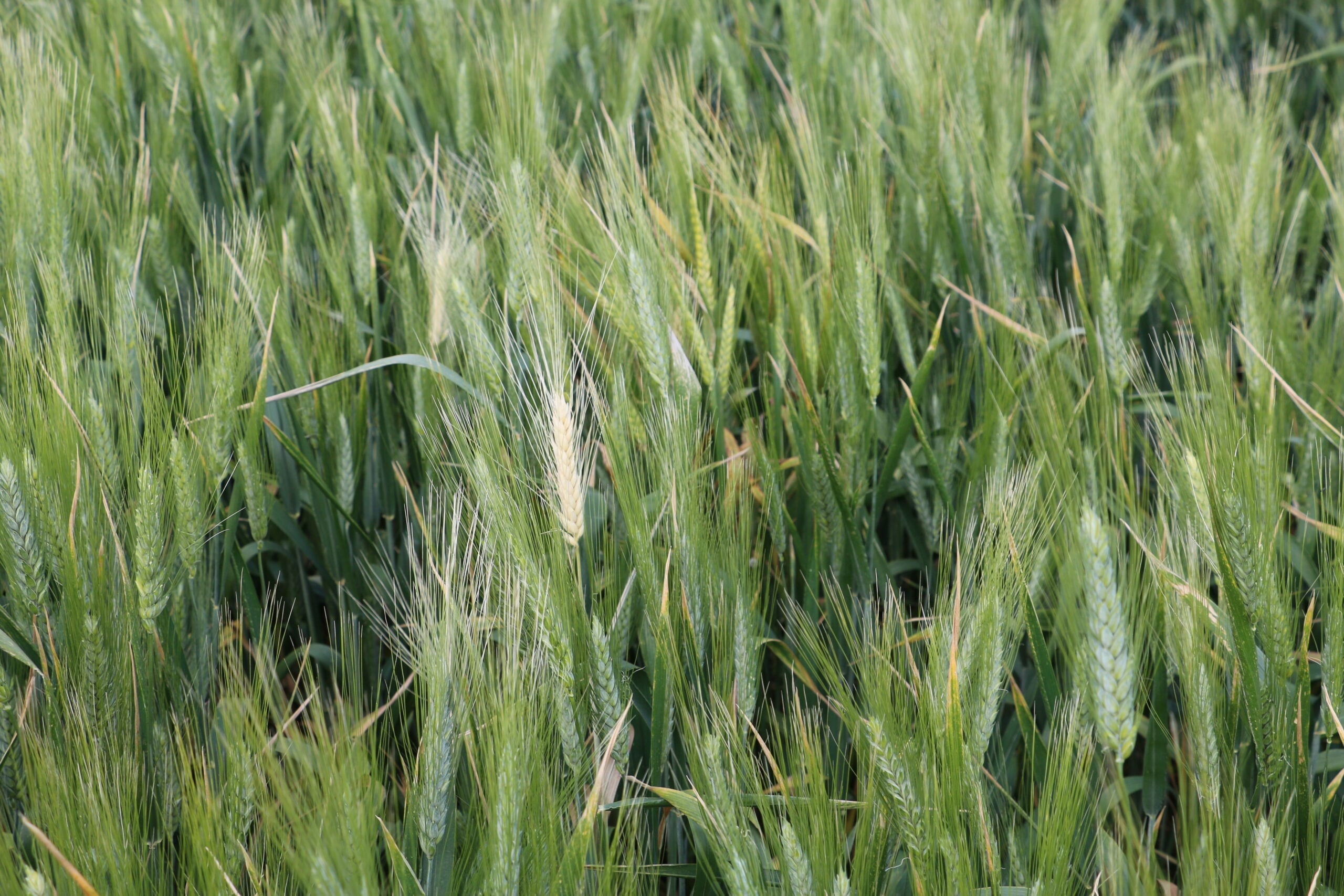
Whiteheads due to crown rot, caused by Fusarium pseudograminearum and Fusarium culmorum, have been increasingly observed in Victorian wheat crops during 2025. The dry spring across much of the Wimmera and Mallee has placed crops under moisture stress, triggering the expression of whiteheads—a classic symptom of crown rot infection.
A new co-investment with Agriculture Victoria, the GRDC, NSWDPIRD, WADPIRD SARDI, USQ into soil-borne diseases has a testing service which can assist with Crown rot management. See below for details.
What is Crown Rot?
Crown rot is a stubble-borne fungal disease that infects cereals through the crown and lower stem. While infection often occurs early in the season, symptoms typically become visible during flowering and grain fill when plants are stressed.
Key symptoms include:
- Whiteheads with little or no grain
- Honey-brown discoloration at the base of tillers
- Pink fungal growth inside stems (under humid conditions).
-
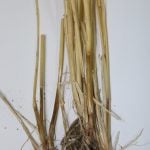
- Honey discolouration on stem caused by the crown rot fungus
-

- Crown rot causes deadheads that are usually found on scattered plants or single tillers in the crop.
-

- Honey discolouration stem and pink fungal growth caused by the crown rot fungus
Why 2025 Conditions Favoured Crown Rot Expression
This year’s dry spring created ideal conditions for crown rot symptoms to emerge. Crops that appeared healthy earlier in the season have shown signs of stress during flowering and grain fill, revealing underlying infections.
Contributing factors:
- Prolonged dry conditions during September and October
- Cereal-on-cereal rotations increasing inoculum load
- High stubble retention from previous seasons.
Regional Observations
- Wimmera: Moderate whitehead expression in wheat paddocks with known crown rot history
- Mallee: Whiteheads observed in wheat crops, particularly in tight rotations. Barley generally shows less severe whitehead expression but may still carry infection
- South West: Crown rot present but less likely to express whiteheads.
Diagnosis and Testing
Whiteheads can result from a range of stressors, so confirmation is important. To diagnose crown rot:
- Inspect stem bases for browning
- Submit samples to PREDICTAB for commercial testing or CropSafe.
To determine crown rot risk moving into next season, Agriculture Victoria is collaborating with the NSW Department of Primary Industries, Research and Development (DPIRD) to test for Fusarium crown rot (FCR) paddock risk as part of a new soil-borne disease initiative from GRDC. For further details on testing contact [email protected].
Management Tips for 2026
- Paddock selection
Paddocks need a grass free break. Avoid sowing cereals into high-risk paddocks (e.g. wheat on wheat). Consider a non-cereal.
- Variety Selection
Choose varieties with improved resistance to crown rot (consult latest NVT data).
Stay Updated
Follow FCDVic on Facebook and X for seasonal disease alerts, management tips, and updates on field crop pathology research.
Further information
Crown Rot – Identification and Management of Field Crop Diseases in Victoria
Fusarium crown rot in central and southern cropping systems: it’s all a numbers game
Strategies for managing fusarium crown rot: new data from central NSW in 2023
Information provide by agronomists and growers in Victoria is gratefully acknowledged. Thank you to Joshua Fanning (Agriculture Victoria, Research Leader – Plant Pathology) and Chloe Findlay (Agriculture Victoria, Research Scientist – Field Crops Pathology). The author wishes to acknowledge the funding provided by Agriculture Victoria and the GRDC that allows this work to occur.