Turnip yellows virus (TuYV) in irrigated canola, North Central Victoria
Season update – 2025
Turnip yellows virus (TuYV) has been reported in irrigated canola crops in North Central Victoria during June 2025.
Over the past weeks, Agriculture Victoria staff have tested plant samples from six irrigated canola crops from the region, and high incidences of TuYV (79-100%) were detected. The irrigated canola crops that were examined were located in Rochester, Echuca, Kyabram and Shepparton, Victoria. At least two of the six irrigated winter canola crops that were examined had been decimated by TuYV infection. Especially high incidences of TuYV (92-98%) were detected in dual-purpose and winter canola. Furthermore, green peach aphid (GPA), the most important and efficient vector of TuYV, was found in all six of the irrigated canola crops examined, often in high numbers.
Growers in the North Central Victorian region, in particular, are encouraged to inspect canola crops for the presence of GPA and virus symptoms. GPA are small, can be difficult to see, and the underside of leaves should be included in inspections.
Symptoms of TuYV infection that have been observed include red-purple leaf discoloration, severely stunted plant growth and dying plants. It is likely that, due to mild temperatures in the region at key times, virus-infected aphids infested winter canola crops and spread the virus through the crops while plants were young (i.e.- less than six weeks old). TuYV infection in canola is particularly damaging when plants are infected in the early growth stages (i.e.- prior to flowering). So far, it is estimated that approximately 5,000 hectares of irrigated canola has been affected by this virus outbreak.
Turnip yellows virus (TuYV)
Turnip yellows virus (TuYV, formerly known as beet western yellows virus) is a widespread and damaging virus that can cause yield losses in canola and pulses. In an average year, early infection with TuYV can cause yield losses of up to 46% in canola (Jones et al. 2007), 45% in field peas and 36% in lentils (Nancarrow et al. 2022).
TuYV is one of the most important grain viruses in south-eastern Australia. In 2014, a widespread and damaging outbreak of TuYV occurred in canola in South Australia, western Victoria and New South Wales. It is estimated that up to 10,000 ha of canola in South Australia was severely affected by the outbreak, resulting in total crop loss in some cases (Coutts et al. 2015).
TuYV has a wide host range and can infect canola, forage brassica and pulses including chickpea, field pea, lentil, faba bean, lupin and vetch. It can also infect a range of weed and pasture hosts such as marshmallow, musk weed, medics and clovers.
TuYV is transmitted from infected to healthy plants by a range of aphid species. Aphids acquire the virus when feeding on infected plants and then transmit the virus to healthy plants. Green peach aphid (GPA, Myzus persicae) is the most important vector of TuYV in Australia. TuYV is not seed-borne.
What to look for
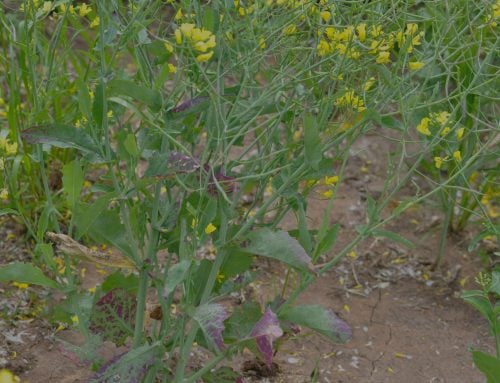
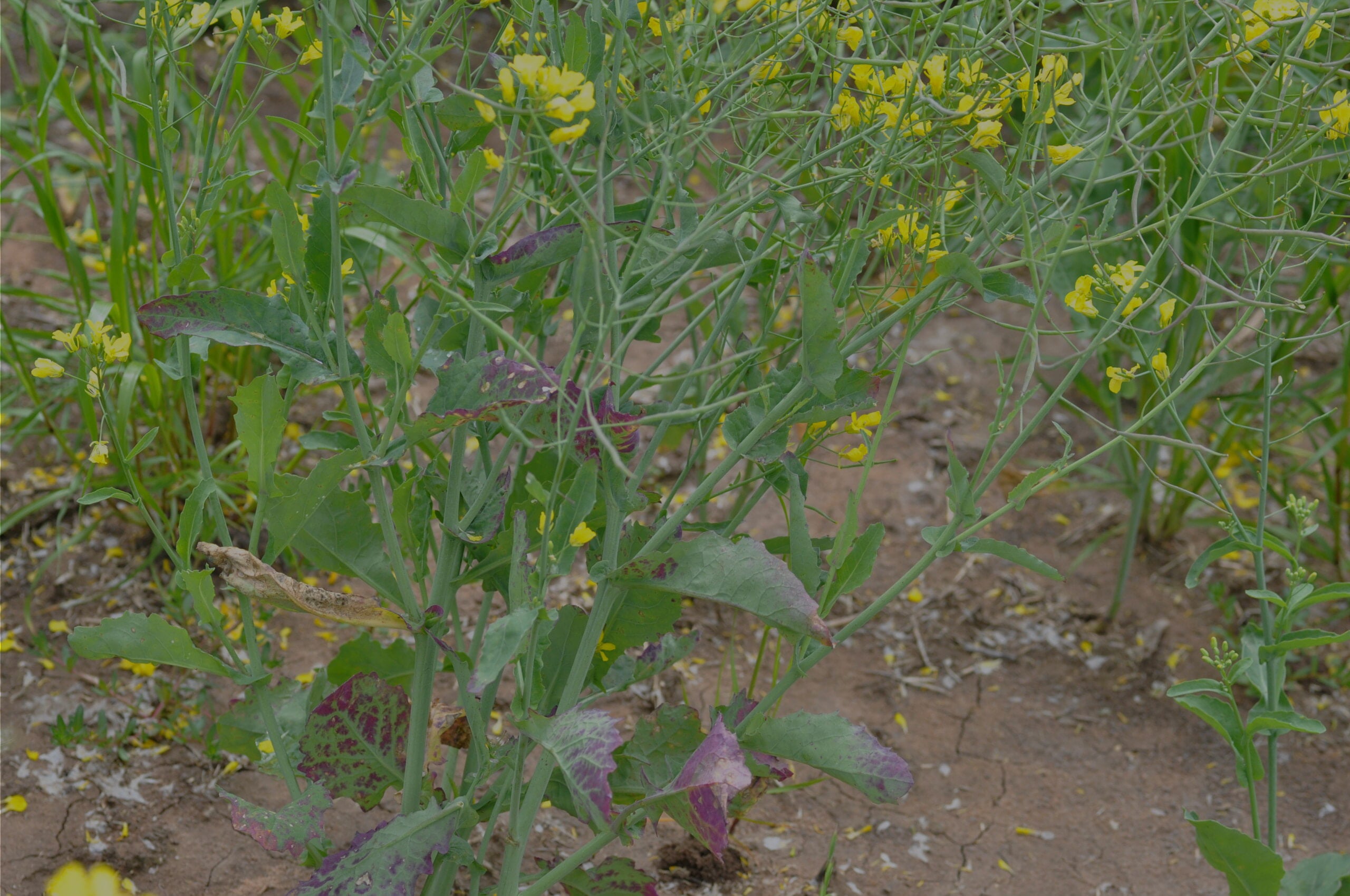
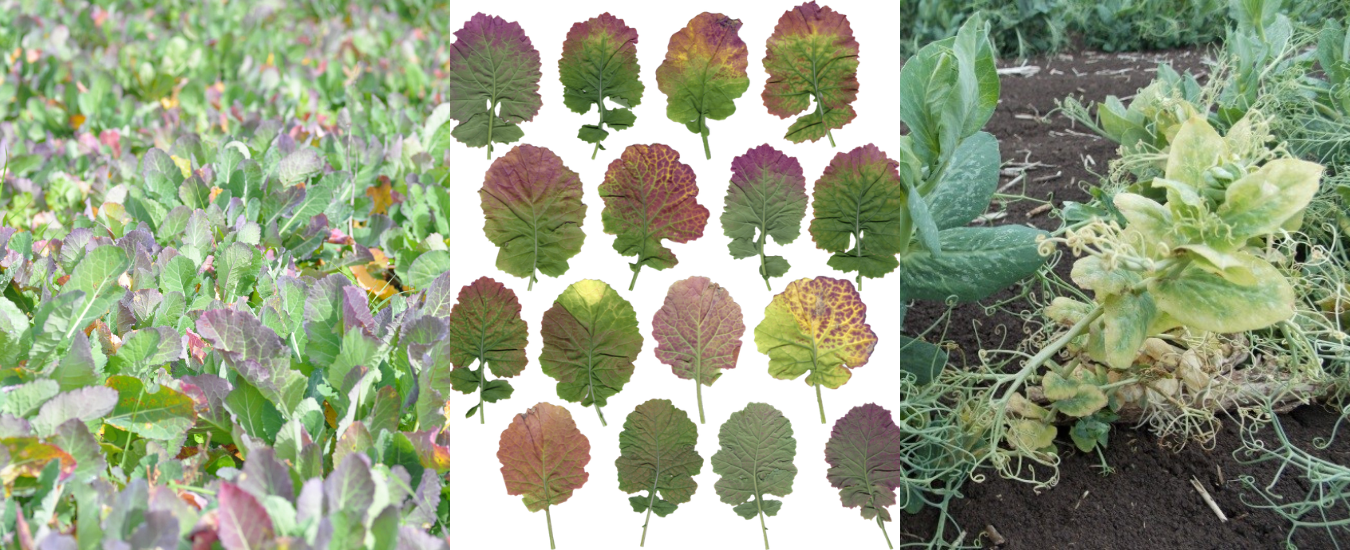
In canola and forage brassica, TuYV infection can cause a variety of symptoms such as stunted plant growth, purple and/or red leaf discoloration (particularly on lower leaves and leaf edges) and interveinal chlorosis (Figures 1 & 2). Leaves of infected plants may be thicker, more leathery, yellow and/or brittle.
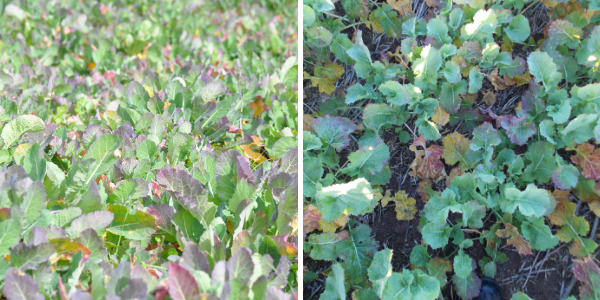
Figure 1a & 1b. Symptoms of early TuYV infection in canola
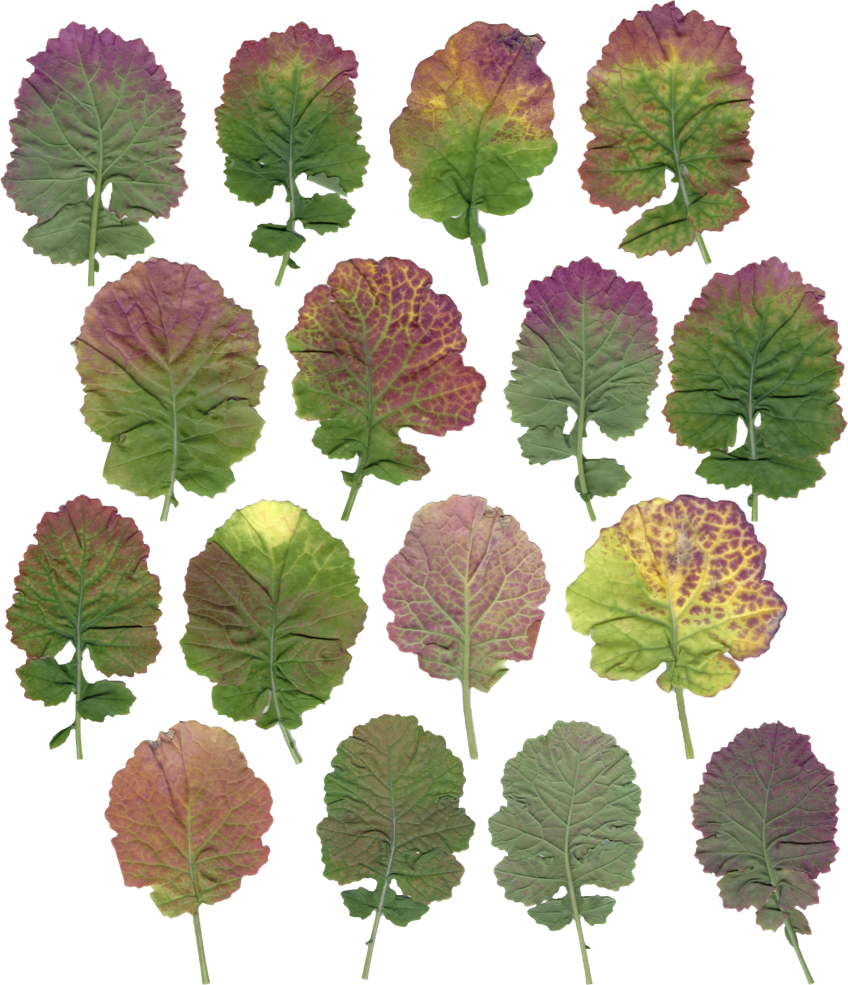
Figure 2. A variety of symptoms of TuYV infection on canola leaves – symptoms on the upper side of the leaf may be different to those on the lower side.
In pulses, symptoms of TuYV can vary with crop type and can include yellowing of leaves or whole plants and stunted growth in field peas (Figure 3), kabuli chickpeas (Figure 4), lentils (Figure 5) and faba beans, purple or red leaf discoloration in desi chickpeas (Figure 6) and tip necrosis in lupins.
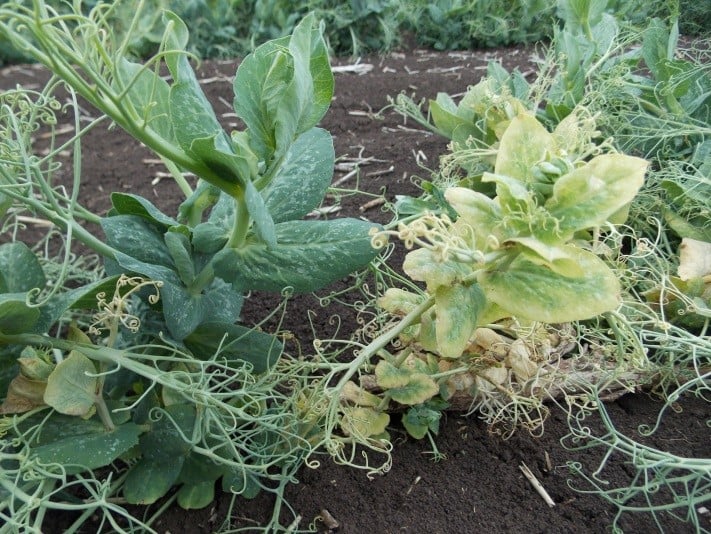
Figure 3. Symptoms (yellowing and stunting) of TuYV infection in field pea.
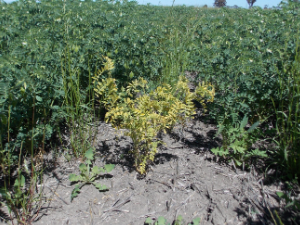
Figure 4. Symptoms (yellowing and stunting) of TuYV infection in kabuli chickpea.
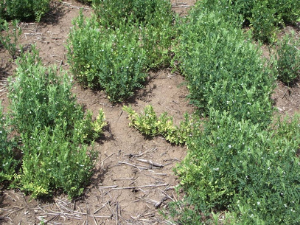
Figure 5. Symptoms (yellowing and stunting) of TuYV infection in lentil.
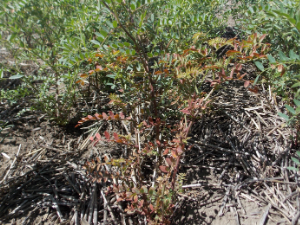
Figure 6. Symptoms of TuYV infection in desi chickpea.
The typical symptoms of TuYV infection mentioned above are not always observed in some varieties of canola and pulses, yet non-symptomatic virus infection can still cause significant grain yield loss if plants are infected in the early growth stages (Figure 7) (Nancarrow et al. 2022).
While the presence of green peach aphids in a crop does not necessarily mean that TuYV is also present, it does increase the virus risk and is, therefore, a warning to also be on the look-out for viruses.
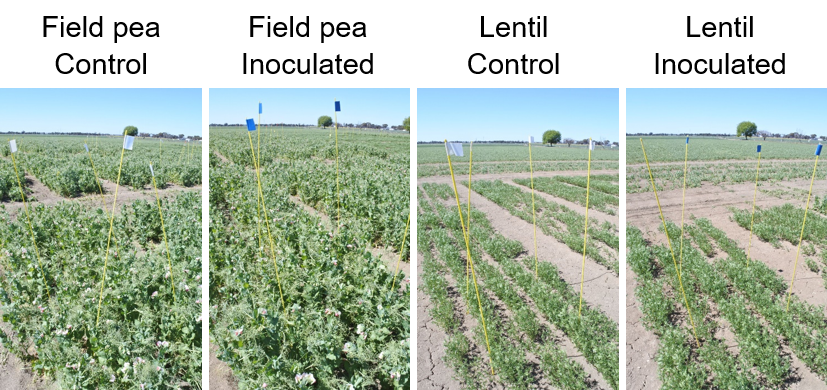
Figure 7. Despite the absence of typical symptoms of TuYV infection in plots inoculated with the virus, TuYV infection reduced yields by 40% in field peas (left) and 43% in lentils (right) in field trials in Victoria during 2019. The presence of TuYV in inoculated plots was confirmed by virus testing.
Disease cycle
TuYV and its aphid vectors require suitable hosts, such as weeds, forage brassica and volunteer crop plants, to survive between seasons. Infective aphids can then move from these hosts into crops, transmitting and spreading the virus within the crop. Once an aphid has acquired the virus by feeding on an infected plant, it can potentially remain infective throughout its life.
Along with several other factors, environmental conditions play an important role in TuYV epidemics; outbreaks are more likely to occur when there is a green bridge between seasons and when aphids are present early in the season. The risk of infection also increases when crops are sown near paddocks that host large aphid populations or where the virus is already present. TuYV is commonly found in western Victoria and incidences within crops can be high, even in years with average conditions.
Once a plant is infected with a virus, it cannot be cured, so prevention and management are critical. Protecting crops from virus infection in the early growth stages is especially important. Furthermore, once widespread infection has occurred within a crop, insecticide application will no longer impact TuYV-associated yield losses.
Management
- Monitor crops regularly for the presence of aphids, virus symptoms and beneficial insects (e.g.- parasitoid wasps).
- Control weeds and volunteer crop plants that could potentially be virus and aphid reservoirs.
- Sow at least 7-14 days after weed control to avoid aphids moving directly from the dying weeds to the emerging crop.
- Sow canola and pulse crops into standing stubble to reduce aphid colonisation and virus spread.
- Use an appropriate insecticide if aphid numbers are high in the lead up to/at sowing or during early growth stages, taking insecticide resistance and the potential effects on beneficial insects into consideration.
References
Coutts, B.A., R.A.C. Jones, P. Umina, J. Davidson, G. Baker and M. Aftab. 2015. Beet western yellows virus (synonym: Turnip yellows virus) and green peach aphid in canola. GRDC Update, Adelaide, February 2015.
Jones, R.A.C., B.A. Coutts and J. Hawkes. 2007. Yield-limiting potential of Beet western yellows virus in Brassica napus. Australian Journal of Agricultural Research, 58:788-801.
Nancarrow, N., Aftab, M., Hollaway, G., Rodoni, B. and Trebicki, P. 2022. Symptomless turnip yellows virus infection causes grain yield loss in lentil and field pea: A three-year study in south-eastern Australia. Frontiers in Plant Science, 13:1049905.
Further information links
Find further information on viruses in field crops – Identification and Management of Field Crop Diseases in Victoria
Acknowledgements
Thank you to Joop Van Leur (NSW DPI, Senior Plant Pathologist) and Brendan Rodoni (Research Director, Microbial Sciences, Pests and Diseases, Agriculture Victoria) for their contribution and expertise.