
Established to meet the needs of rural and regional Australia
The IPDM extensionAus platform provides practical information and advice to growers and industry to develop skills, knowledge and implement strategies in apple and pear orchards to develop, maintain and improve pest-resilient farming systems.
Integrated Pest and Disease Management (IPDM) means using cultural and biological best management methods supported by pest identification, monitoring and understanding of action thresholds to intervene with selective pesticides only when necessary to control pests, disease, and weeds, in the production of apples and pears.
The platform is a key component of a Hort Innovation funded project Strengthening cultural and biological management of pests and diseases in apple and pear orchards (AP19002) and part of the PIPS 4 program.
Agriculture Victoria is the key research provider and is working with the University of Tasmania (Tasmanian Institute of Agriculture) to deliver the project.
Key topics on this site are presented as articles, which describe the topic and importantly link to other references, presentations or tools that may be of use to the reader.
Practical information and advice to growers
Develop, maintain and improve pest-resilient farming systems


Interested in starting IPDM in your orchard? Here is how you can…..
Australian Pome fruit orchardists vary in their tolerance of fruit damage and appearance of the fruit. The most important measure of success is the marketable yield per hectare. ...
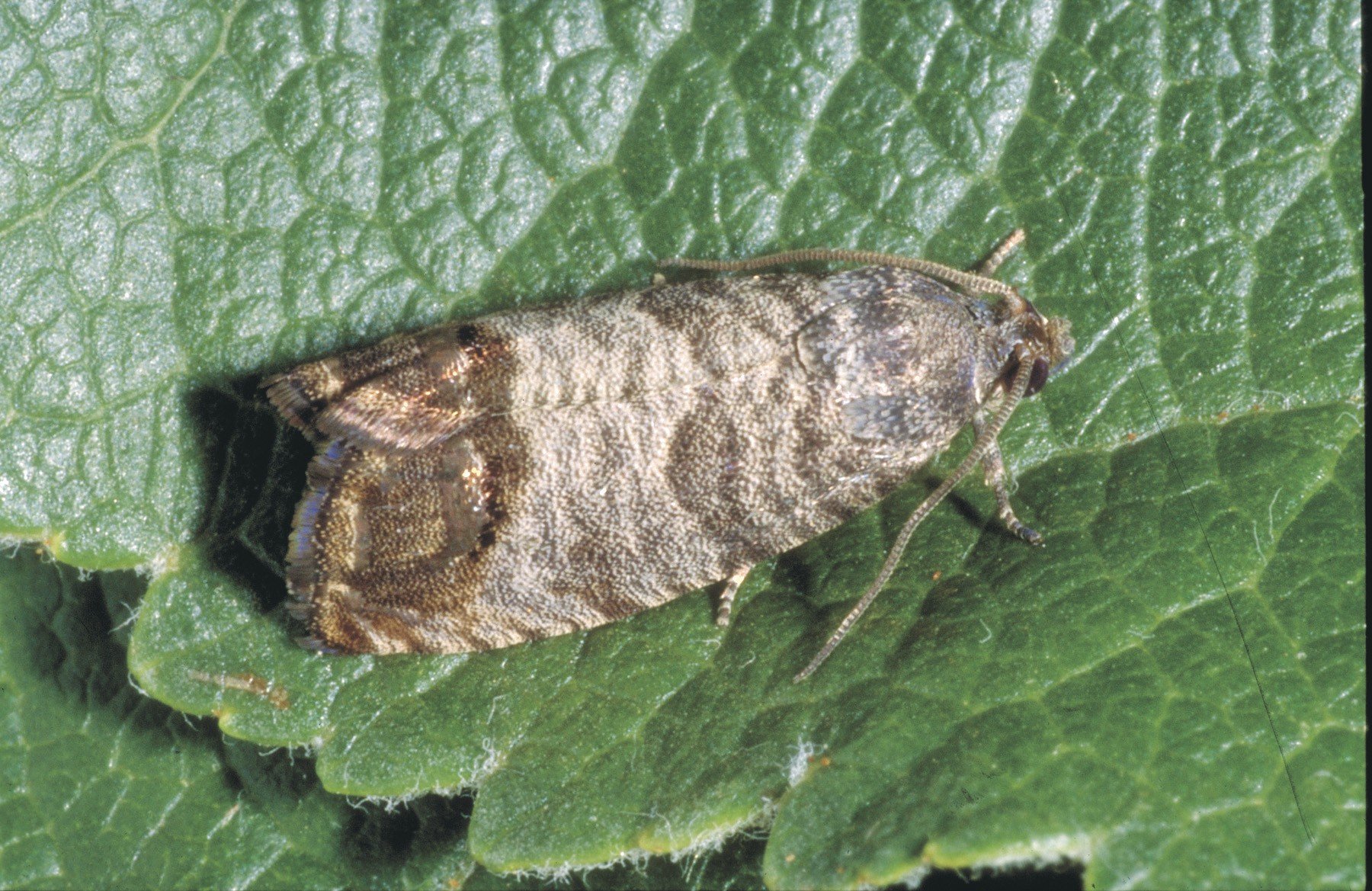
Mating disruption and thresholds for Codling Moth
Question: “How does mating disruption affect trap counts and thresholds for spraying? What are the general thresholds for Codling moth with/without mating disruption? Are the effects similar for ...

Common (Brown) Garden Snail Management in Orchards: Biology, Impact, and Control Strategies
An article was published in the Australian Fruit Growers Magazine (Summer Edition 2025), and contains information on suggested ways to control Common (Brown) Garden Snails (Helicidae) that are ...