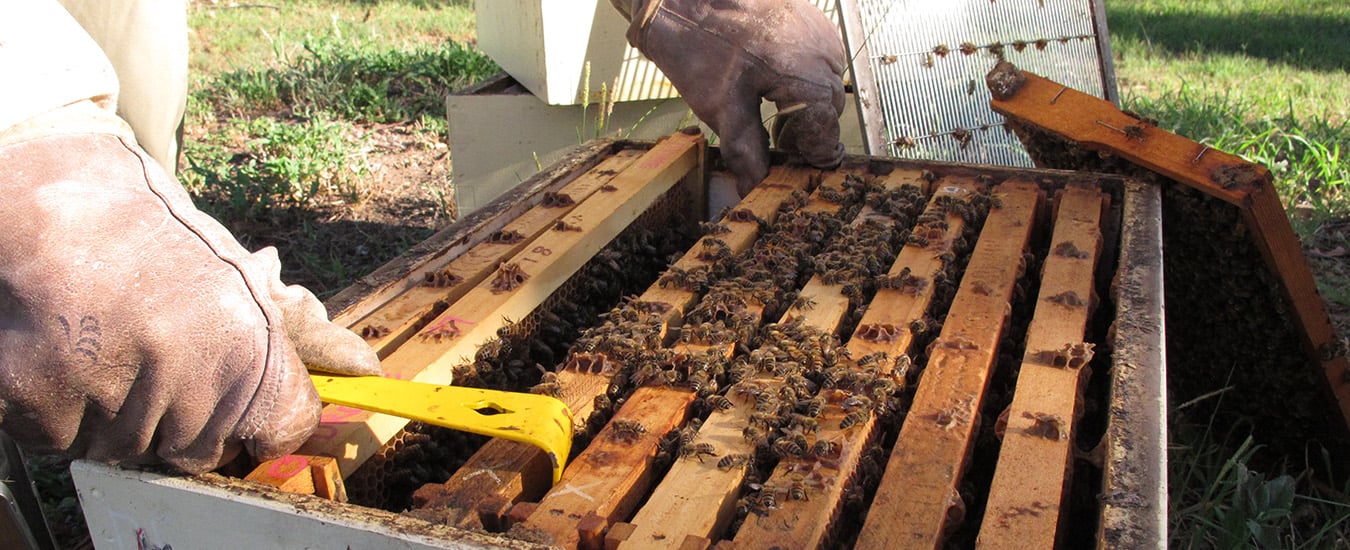
Australian beekeepers need to regularly check for exotic mites

2021-11-10T09:54:56+11:00Biosecurity, Code of Practice, Managing your hives, Pests and diseases, Policy and compliance|

Australian honey industry at risk from exotic mites  The majority of Australian beekeepers are completely unskilled and unprepared should mites arrive to our shores and start impacting our bees.  All around the world, the best performing and most profitable beekeepers are always those that undertake a lot of mite surveillance on their hives. They know this management tool is important to the health of both their operation and bottom line. Australia lags way behind any other nation in this regard. If an exotic mite becomes established in Australia, then all beekeepers will need to undertake a lot more work (and spend more money) to manage their colonies and keep them viable.  The mites are parasitic and feed on developing brood [...]
Hive inspections

2021-03-05T10:47:27+11:00Biosecurity, Code of Practice, Managing your hives, Pests and diseases, Policy and compliance, Registration, Training & resources|

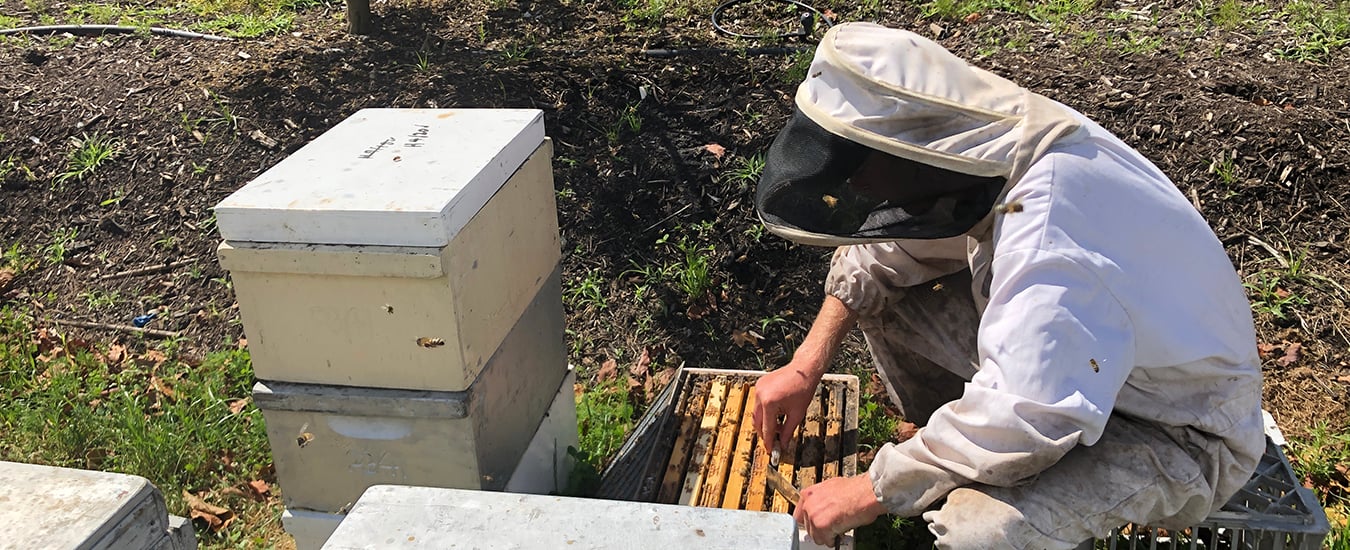
Under the Australian honey bee industry biosecurity code of practice beekeepers are required to inspect their hives at least twice per year and to keep accurate records.  Each hive must be inspected for hive strength and the presence of pests and diseases, inspecting at least three full-depth brood frames. If only two inspections are performed in a year they must be at least four months apart (for example in October and January). At least one hive in each apiary must also be checked for Braula fly (except in Tasmania) and exotic mites (Varroa, tracheal mite, Tropilaelaps) using either a sugar shake, alcohol wash or drone uncapping. Record keeping Record keeping is essential to good beekeeping and biosecurity. Such records will [...]

Go to Top