Meet the Experts

In June 2022, Rod Bourke was one of the first frontline responders to the newly detected varroa mite incursion in Newcastle. He lost many hives of his own during the Red Zone eradication phase of the response. Since Transition to Management started in September 2023 has been managing his surviving colonies for varroa, and small hive beetle and everything else that still adversely affects bees. Rod has been the NSW Bee Biosecurity Officer under the National Bee Biosecurity Program since 2017, promoting awareness of the Australian Honey Bee Industry Biosecurity Code of Practice (the Code) and assisting beekeepers with training and education based around best beekeeping practices. He hails from a commercial beekeeping family that manages thousands of hives in [...]

Having worked in bee research for over 20 years I know how easy it is to get overloaded with information, particularly when it doesn’t always agree, research papers are often behind a paywall, and it can be difficult to assess the quality of the research. My science background means that I can critically assess the quality of the information. I’m proud to be part of Professional Beekeepers, curating high quality information into a format that (hopefully) beekeepers find engaging and useful. I currently work at NSW DPIRD as Manager Honey Bee Industry Development.

Running a beekeeping business requires perseverance and constant learning, but it’s hard to make time to sort through all the posts, articles, and opinions. You’ve got enough on your mind, and you need reliable information that can cut through the noise. In my stint with the Bee Informed Partnership Tech Transfer Team, I worked with commercial beekeepers all over the U.S., collecting colony health data to help them make research-backed plans for their operations. I’ve since had the opportunity to support beekeepers across Australia in managing Varroa in their own apiaries. I’ve seen what it takes to overcome new challenges in beekeeping. My goal is to synthesize the management strategies that I’ve gathered in my travels so you can save [...]

Michael Holmes is a behavioural ecologist who has worked on numerous aspects of honey bee biology throughout his career. Michael received his PhD from the University of Sydney in 2014, during which he studied reproductive parasitism in the Asian honey bee Apis cerana. He has since worked in a variety of roles in industry and research, including pollination biology and biosecurity. Currently, Michael works at the Australian National University as the project manager for the Australian Honey Bee Colony Loss Survey. This nationwide survey will gather data about the factors driving colony losses, both varroa-related and otherwise, to allow industry to assess the impacts of varroa on Australian beekeeping businesses.

Like you I am a beekeeper and have a passion for the wellbeing of my bees and the beekeeping industry. My working life has been varied from Dairy to Electrical, Disability and Mental health and lots of roles in between, I have enjoyed the experiences, especially working with people. Having kept bees for many years and managing a commercial apiary and retail of beekeeping equipment, I received the opportunity to change my career focus to honey bees: firstly, as a contract trainer for Tocal College Honey bee education, and then moving into the role of Bee Biosecurity Surveillance for NSW DPI prevention and preparedness. My bee world changed dramatically on the 22nd June 2022 after routine surveillance of Port of [...]

Conny is an agroecologist with a focus on Integrated Pest Management (IPM). She is passionate about developing sustainable pest management strategies to enhance beneficial insects and reduce pesticide applications. She completed her PhD and postdoctoral research on arthropod communities in rice agroecosystems with a focus on field experiments on sustainable pest management practices in Vietnam and Cambodia. Working for Macquarie University, she focused on best practices in bee health technology to understand the needs and expectations of the industry and the challenges to the use of beehive sensor technologies.
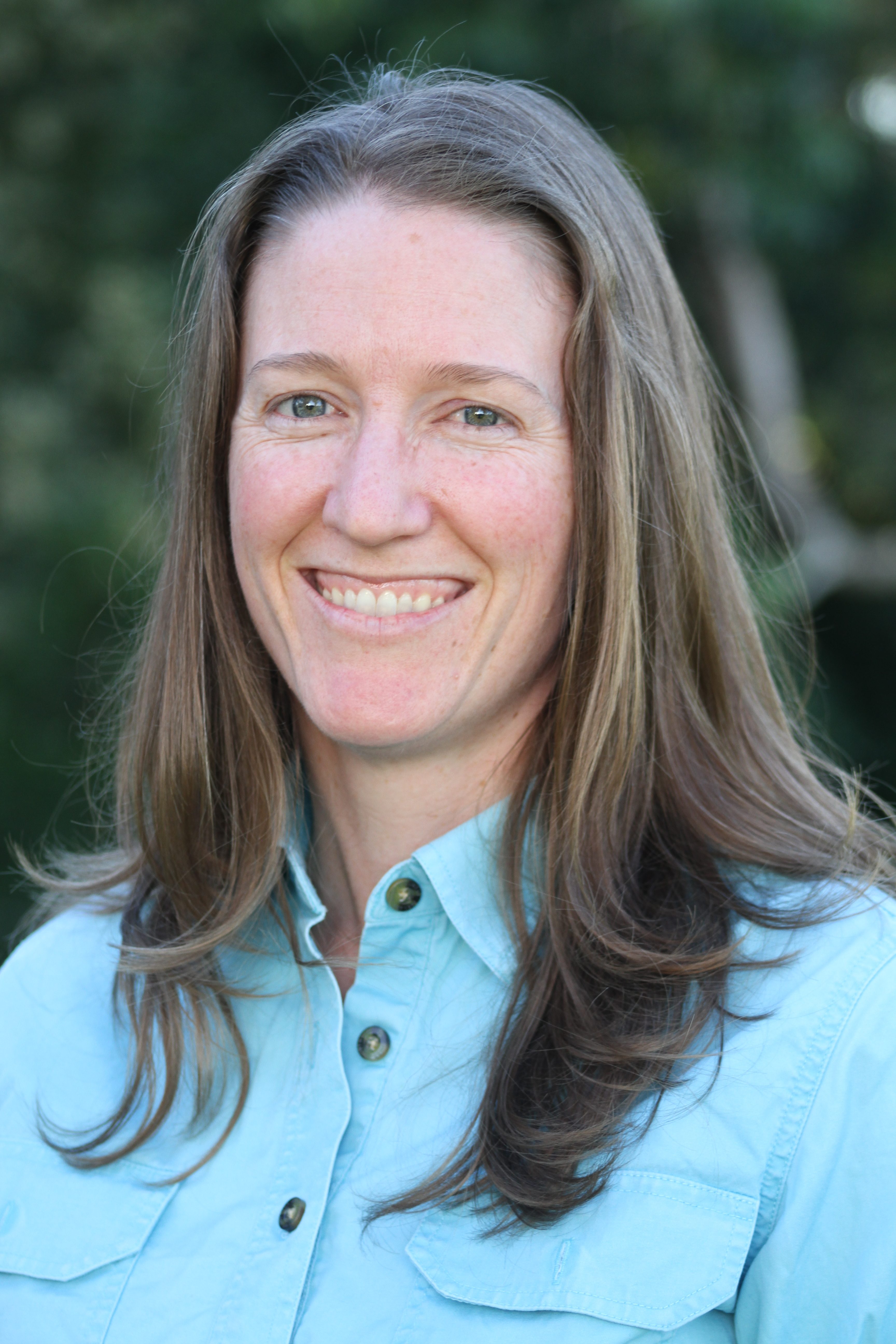
Liz Frost is the Technical Specialist, Honey Bees for the NSW Department of Primary Industries (NSW DPI). She delivers research, development and education programs and contributes to policy development to improve the productivity, profitability and sustainability of the NSW Beekeeping Industry. Liz is currently developing PlanBee, Australia’s Honey Bee Genetic Improvement Program, at NSW DPI Tocal Ag College with Bee Manager Stanislav Nenov and collaborators Dr. Nadine Chapman at University of Sydney, Better Bees WA Inc., Dr. Rob Banks at University of New England, Fiona Chambers CEO of the Wheen Bee Foundation and beekeeping and horticulture industry stakeholders. The Queen Bee Breeding Program is a platform for honey bee genetic improvement research and extension. Liz also delivers accredited training in [...]

Georgina has been fascinated by insects since she was a child and has yet to meet an insect she doesn’t like. She completed her PhD on warning signals and predator-prey interactions at Macquarie University in 2023, during which she enjoyed teaching undergraduate Invertebrate Biology at both Macquarie and the University of Sydney. In 2022, Georgina was hired as a research officer on a collaborative project that aims to create natural probiotics for honeybees, to increase their resistance to common diseases. She has a wide interest in entomological subjects, but particularly in behavioural ecology, evolution of defensive traits and systematics.

Dr Soumi Paul Mukhopadhyay is a sensory and consumer researcher with NSW Department of Primary Industries. She has had over 15 years of “Fast-Moving Consumer Goods” (FMCG) industry and academic/research experience in India, Italy and Australia with Nestle, Whirlpool Corporation and Goodman Fielder, to name a few. She completed her PhD in 2015 with Charles Sturt University with NSW DPI and Grain Research and Development Corporation funded project on ‘Eliciting sensory and consumer preferences of Australian desi Chickpeas’. Soumi has expertise in understanding how sensory and consumer science can facilitate better promotion and placement of various products (from grains, legumes, honey, dairy, fruits and vegetables, wine and olive oil to everyday grocery products). This includes leading and completing the 2019-20 [...]

Kenya is a microbiologist at the University of Sydney. Her research involves surveying various New South Wales honeys for their antibacterial and antifungal properties including peroxide and non-peroxide activity, and investigating the relationship between forest health, bee health, and the antimicrobial properties of honey through microbiome analysis. Kenya’s work aims to improve our understanding of bee and hive health and to add value to New South Wales honey within the medicinal honey industry.

I am a very passionate apiarist who has accumulated years of experience in a short time from mentors and skilled experienced apiarist. I’ve only been working in the commercial bee keeping industry for 6 years. Prior to that I helped my dad with his bees. Queen breeding isn’t about the number of queens you produce it’s about how many you cull which are not up to standard. Our clients purchasing both nucleus hives with tested and breeder queens will benefit from our genuine commitment to their success through feedback and data. It’s hard to believe all of this has come from working in a garage with my father talking about trying to calm down some cranky hives and who would [...]

Research Fellow, ithree institute, University of Technology Sydney Nural is a research scientist specialising in microbiology at the ithree institute, University of Technology Sydney. Nural’s research interest is in understanding the relationship between bees, the environment and medicinal honey with the aim of supporting the apiary industry, pollination, and human health. Nural works closely with the Australian beekeeping and wider agricultural industries and has acquired a deeper understanding of these industries in food security and biodiversity. She leads research on the bioactive properties of honey, specifically as a novel approach to combat the antimicrobial resistance crisis and as a prebiotic food to promote a healthy gut microbiome.

Erica is a research assistant and recent graduate from University of Sydney where she completed her Bachelor. Having grown up in city Sydney, her first contact with bees was during her honours project where she investigated honey bee genetics. From there, her fascination with honey bees begun. Now, she can be seen either in the field or in the laboratory working on bee research, combining her love for bees, research and genetics. She works primarily with Dr Nadine Chapman on the Plan Bee project, aiming at developing a genetic improvement program for honey bees.

Kelly is a Honey Bee Education Officer for Tocal College, NSW Department of Primary Industries based at Tocal, Paterson. She also operates a small commercial beekeeping operation based in Newcastle, NSW. A self-confessed science nerd, she is extremely passionate about education. Kelly is involved in developing and delivering training for the Certificate III in Beekeeping, the industry developed trade qualification. She liaises with industry and amateur beekeepers alike to ensure education delivery meets the needs of beekeepers across all areas. Kelly is also passionate about local food, growing produce in urban environments, helping connect people to their food sources and educating others about the vital link bees play in our food security.

Madlen’s interest in bees started at the beginning of her Bachelor’s degree, where she joined the Centre of Integrative Bee Research (CIBER) at the University of Western Australia. She has since undertaken research on honey bee fertility, nutrition, foraging behaviour and pollination. During her PhD she studied the effects of nutrition on colony health and crop pollination efficiency. Her continuous passion for working with the honey bee industry has led her to her current position as the ‘Honey Bee Industry Development Officer’ with the Department of Primary Industries in NSW. In her role she is focusing on applied research to improve the productivity, profitability and sustainability of the beekeeping industry. She is currently focusing on research on honey bee nutrition and supplementary feeding, as well [...]

Théotime was trained as a beekeeper when he was in high school and has kept bees ever since. He studied biology in France before coming to Australia to complete his PhD at Macquarie University. After completing his PhD in 2019, he was hired as a post-doctoral researcher at the University of Sydney. Théotime has a broad interest in entomology and agriculture. His work focuses on understanding the long-term population dynamics of honeybee colonies under stress. He is an expert in hive monitoring methods, which he uses to understand the effect of pests, insecticides, heat, and other stressors on honeybee colonies.

Dr Cooper Schouten is the project manager for the Bees for Sustainable Livelihoods Research Group at Southern Cross University. Cooper specialises in international apicultural research and has beekeeping capacity building, training, research and extension experience working throughout the Indo-Pacific region with local government, private sector and NGO’s. He runs a small beekeeping business himself and has experience working with commercial beekeepers in Northern NSW.

Patsavee Utaipanon is a PhD student in the Behaviour, Ecology and Evolution Lab at the University of Sydney. Her interest in social insects began when she worked on the foraging decisions of Asian stingless bees during her undergraduate degree. She then shifted her focus to honey bee ecology and behaviour. Currently, Patsavee is working on developing an accurate and efficient technique for assessing honey bee colony densities over large scales as part of her PhD studies. Her research also involves population assessment of European honey bees in rural Australia and honey bee mating behaviour. The sole purpose of her projects is to gain accurate information regarding feral honey bee densities around Australia. This work will improve crop management decision making, [...]

Fiona has 30 years business experience in the production and marketing of agricultural and horticultural commodities both in Australia and overseas. Before taking up the position of CEO with the Wheen Bee Foundation, Fiona lectured in business management and marketing at Marcus Oldham College in Geelong, and was convenor of the Marcus Oldham Rural Leadership Program and the Apple and Pear Australia Ltd (APAL) Emerging Leaders’ Program. Fiona has delivered papers at numerous national and international conferences, is a Churchill Fellow, ISS Fellow and a Fellow of Williamson Community Leadership Program.

Ben began keeping bees when he was 9 years old. Ben started his career as a quantitative geneticist, working on practical problems of bee breeding during his PhD at the University of Sydney and then at the Victorian Department of Agriculture. He worked on population genetics of Africanized bees in central America while at the USDA bee lab in Baton Rouge, before returning to Australia to work at Latrobe University. Ben is currently a professor at the University of Sydney. Ben is an expert on Asian honey bees, and has performed extensive research on honey bees in South Africa and Australian native bees. Ben is particularly interested in the mechanisms by which social cohesion is maintained in bee colonies. He [...]

Casey Cooper is a second-generation beekeeper situated in Tingha, northern NSW. Casey is big on biosecurity, breeds queens, and offers artificial insemination and pollination services. Casey has served on the NSW Apiarists Association. He was a finalist for NSW Farmer of the Year in 2016, the award focuses on farmers who combine safe, environmentally sustainable practices with profitable production.

Dr John Roberts works on pests and diseases of honey bees. John joined CSIRO at Black Mountain ACT as a postdoctoral fellow in 2010, and is now a research scientist leading the bee pathology research area with projects focused on improving the biosecurity and health of Australia’s managed and wild honey bees. His recent research has included genetic studies of emerging Varroa and Tropilaelaps mite pests in Papua New Guinea, examining viruses and other pathogens associated with Australian honey bees, including the invasive Asian honey bee population in northern Australia, and analysing the effects of nutritional management on Nosema and virus infections. His research has been supported by the Honeybee and Pollination R&D of AgriFutures Australia.

Malcolm is a 3rd generation beekeeper, beginning beekeeping in 1977 and went full time with his wife Deborah in 1994, creating their company ML & DJ Porter Honey and Pollination Services. Malcolm has served four years on the NSW Apiarists’ Association executive committee, eight years assisting in the organisation of the NSWAA’s industry Honeyland stand at the Royal Easter Show and ten years as the NSWAA Central Tablelands branch president. Malcolm and Deborah’s business focuses on honey production and pollination of almonds and seed canola. In his spare time, Malcolm raises money for Little Wings, a nonprofit organization providing free, professional and safe flight and ground transport services for sick children in rural and regional NSW, from the driver’s seat [...]

Bruce began in bees while at primary school. He worked at the NSW Department of Agriculture for 43 years as an apiary officer. Bruce has served on the RIRDC Honey Bee Research and Development Advisory Committee and the New South Wales Apiarist Association, had an active role in the Australian Queen Bee Breeding program and has contributed to beekeeping education and biosecurity. He has served as an ambassador for the beekeeping industry to over 25 countries, including New Zealand, Russia, the Solomon Islands, Vanuatu, Fiji, Papua New Guinea, United Arab Emirates, Germany, England, Korea, Thailand and Tonga. He has served as a honey judge both locally and internationally. Now retired, Bruce continues to generously contribute his time, knowledge and experience [...]

Ros Gloag is a lecturer in evolutionary biology at the School of Life and Environmental Sciences, the University of Sydney. She researches the behaviour and genetics of birds and bees. Ros has performed studies of the population size of the invasive Asian bee Apis cerana in far-north Queensland, and how worker reproduction has enabled the population to thrive despite likely originating from a single swarm. Ros is also helping to develop native stingless bees for pollination.

Corinne’s journey with honeybees commenced as founder of The Bee Lady Apiaries in 2008. She quickly realised that her passion was Queen Breeding and since 2013 her goal has been to improve Australia’s Golden Italian honey bees so all Australian Beekeepers can enjoy the benefits of working with productive, healthy and gentle natured bees. Corinne is proficient in instrumental insemination and brings to the team practical skills and specialist knowledge acquired during the past six years developing and running a queen breeding programme. Corinne is currently the vice president of the Australian Queen Bee Breeders Association and has a diverse background including qualifications in Accountancy, Art, Beekeeping and Training.

Emily Remnant is a lecturer and researcher from the University of Sydney. Emily’s area of expertise is insect genetics and genomics and her work aims to understand how insects respond to stress in their environment, such as pathogens and chemical insecticides. Her current research focuses on honey bees, their viruses, and investigating ways to improve honey bee health. Emily has investigated global populations of honey bees to examine the link between Varroa parasites and viral diseases, and to identify ways of reducing the impact of viruses on colony health. She has also examined mating interference with the invasive honey bee, Apis cerana, in Cairns, and is interested in developing bee-safe methods of pest control for in hive and agricultural pests.

Coming from a commercial beekeeping family, Sam worked at Plant Health Australia (2011-2016) where he established and managed many national honey bee and pollination programs. For this work, Sam received the AHBIC Award of Excellence in 2016 for service to the honey bee industry. From 2016-2018 Sam worked at the Department of Agriculture and Water Resources in international trade and market access. Sam is currently employed by the NSW Government where he manages regional infrastructure and programs. Sam has been a Director of the Wheen Bee Foundation since 2016, and joined the AgriFutures™ Honey Bee & Pollination Advisory Panel in 2017. Sam holds a degree in Horticultural Science (Honours) from the University of Sydney.

Steve has been in the industry for over 20 years working with his brother Wayne and is currently involved in mentoring trainees as part of the DPI Certificate 3 in Beekeeping program. Bee Services is a family run business based in northern NSW with its main focus on producing certified organic honey. A strong emphasis on biosecurity and Quality Assurance has always been a major feature of this business and Bee Services have been certified by the BFA as an organic producer since 2005. Currently president of the NSWAA North Coast branch, Steve is also a member of the Crop Pollination Association of Australia. Steve is heavily involved in pollination around the north coast especially working closely in blueberries and [...]

Danny is the managing director of Australian Bee Services. His previous experience includes irrigation consultancy, breeding GM canola, broadacre agronomy, research, development and extension. He has extensive experience in managing high profile research projects. Danny is currently the Chair of the Apiaries Alliance SA, executive on the South Australian Apiarists Association, SA state rep to AHBIC, Vice Chair of the AgriFutures Honeybee and Pollination Advisory panel and member of the Hort Innovation Expert Advisory Panel. He has completed a Bachelor of Applied Science at Melbourne University and is currently completing his Masters in Agribusiness at the University of Adelaide.

Thomas Gillard is a veterinarian and PhD student researching honey bee reproduction and pathology at the University of Sydney. Thomas seeks to optimise the artificial insemination techniques used in honey bee breeding and research with an aim to providing evidence based recommendations to improve consistency in advanced reproductive practices. He is also surveying male (drone) honey bees to determine the prevalence and diversity of honey bee reproductive pathogens. Thomas is applying techniques commonly used in veterinary diagnostics to the discovery and characterisation of honey bee reproductive pathogens, especially microscopy and advanced molecular techniques. His veterinary background means he is particularly interested in biology, as well as pathology, epidemiology, and biosecurity.

Dr. Doug Somerville is NSW DPI Technical Specialist, Honey Bees and Chair of the AgriFutures Honey Bee and Pollination Research Panel. Doug provides specialist technical advice and leadership through developing and promoting the adoption of innovative technological developments in this area. He is the main point of contact between the NSW and Australian broad honey bee and pollination dependant industries and the NSW DPI. Working in the field of industry development Doug is actively involved in increasing educational opportunities for industry and involved in active applied research. Two areas of particular interest are honey bee nutrition and the floral resources of importance to beekeeping which were was the theme of his PhD thesis ”The floral resources of NSW of primary [...]

Diana Leemon is a Principal Scientist within AgriScience Queensland (part of the Department of Agriculture and Fisheries) and a member of the AgriFutures HoneyBee & Pollination Industry Advisory panel. Her research over the last twenty years has centered around the investigation of non chemical controls for livestock pests, primarily those involving fungi as the agents of control. Diana has been a hobbyist beekeeper for over twenty years and combined her hobby with research through investigating non chemical controls for the small hive beetle. First using fungal diseases to kill both larval and adult beetles, then using fungal (yeast) driven odours to develop and external trapping system for small hive beetles. Through her research, hobby and more recent involvement with AgriFutures, [...]