Weekly Irrigation Requirements – Northern Victoria

Wednesday, 13 May 2026 Weekly Irrigation Requirements Northern Victoria Hello Irrigators,  This is our final update for the 2025–26 irrigation season, wrapping up with forecast rain expected across the GMID over the weekend and into next week.  Thank you for your ongoing support throughout the season. We look forward to reconnecting in August [...]
2026-05-13T13:56:13+10:0013 May 2026|Irrigation Scheduling, Resources|

Weekly Irrigation Requirements – Macalister Irrigation District (Gippsland)

MID ETo Update 11th August to 17th August 2022 ____________________________________________ Flood irrigation interval for the last week was 27 days Spray irrigation amount was  9 mm of irrigation water for the last week The predicted weekly pasture water use: MID 15 mm, Bairnsdale is 14 mm, Orbost 13 mm and Yarram 14 mm [...]

2023-12-08T15:18:51+11:0018 August 2022|Irrigation Scheduling|

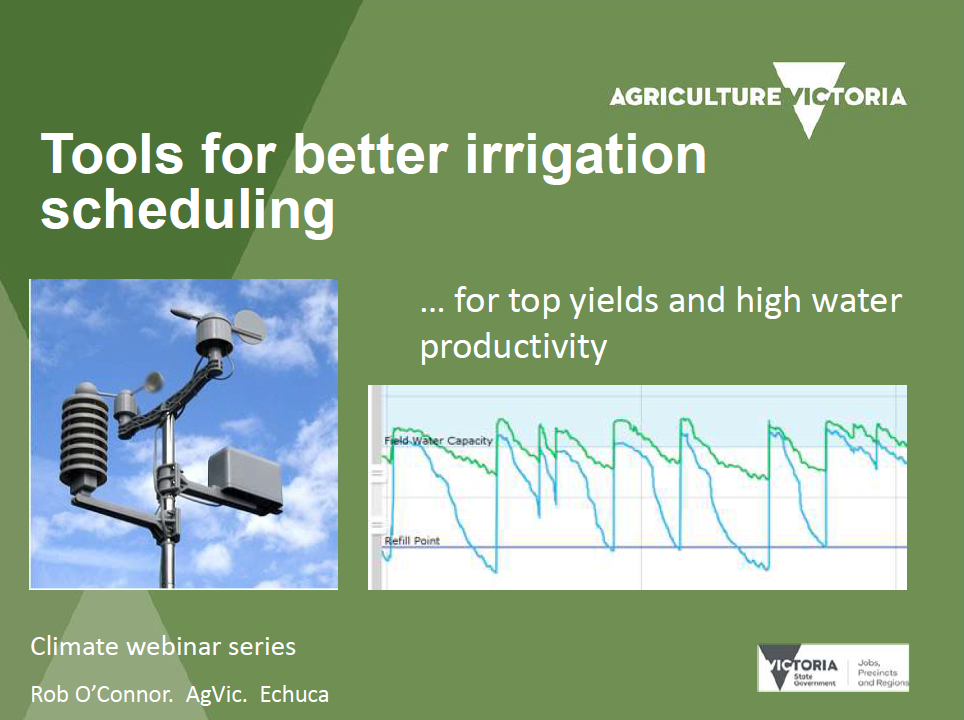
Tools for better irrigation scheduling

In this recent webinar, Rob O'Connor from Agriculture Victoria discusses irrigation scheduling tools to achieve top yields and water use efficiency. Rob provides information on Evapotranspiration (ET) tools and services available to irrigators and shares results and learnings from using soil moisture monitoring equipment for more informed irrigation decision making. [...]

2023-05-16T14:48:13+10:0031 March 2020|Home, Irrigation Scheduling, Resources|

Northern Victoria irrigator reaps rewards from pivot system assessment

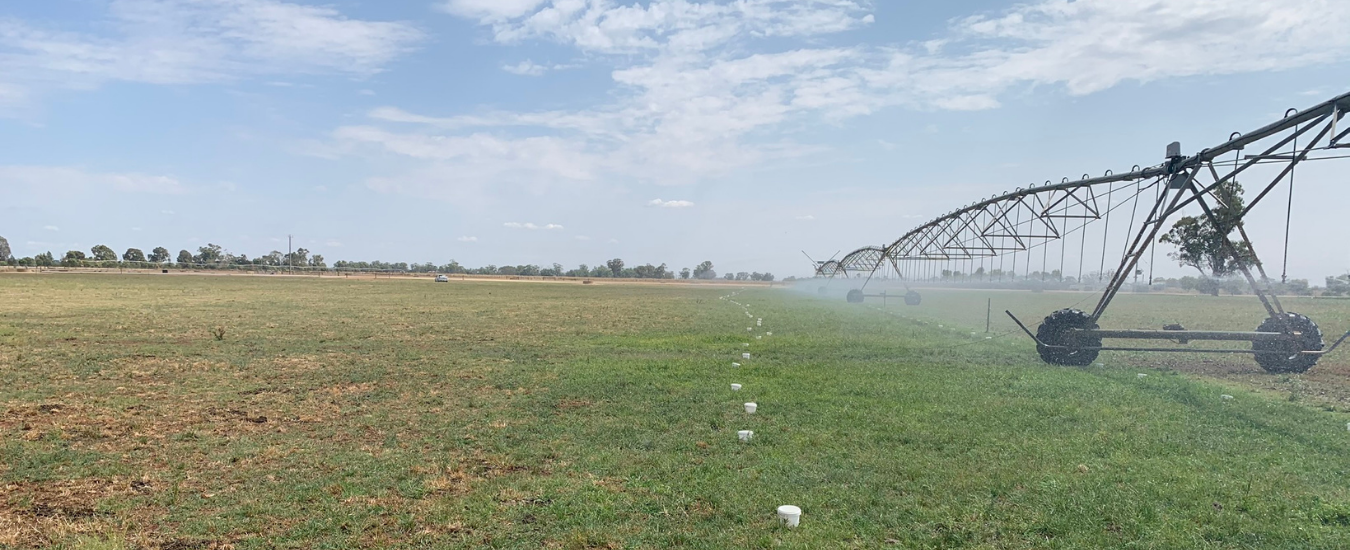
Following a recent assessment of a centre pivot irrigation system, modifications were made to improve energy efficiency by approximately 20%. This equates to potential cost savings of $40,000 over the life of the system or $2,664 per season. In 2020 an irrigation system check was conducted by Agriculture Victoria on [...]

2022-07-05T14:45:10+10:0022 February 2022|Irrigation Systems|

Improved web tool for irrigators and service providers

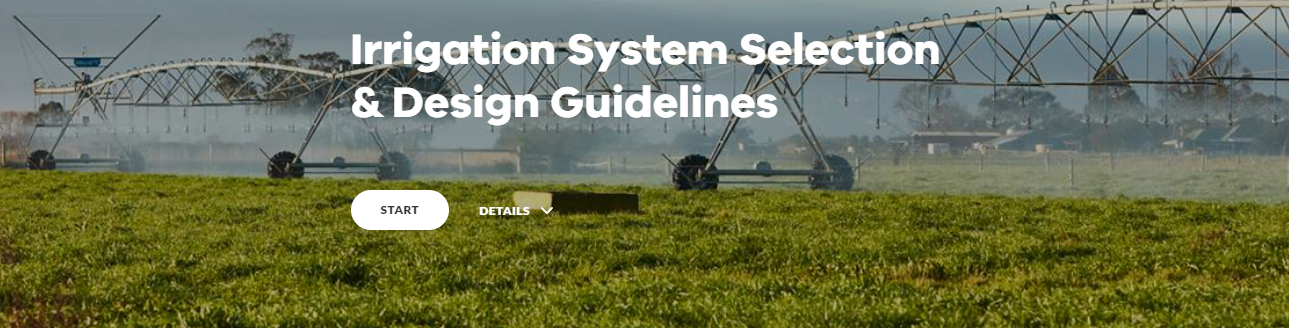
Agriculture Victoria’s Irrigation team have revised and updated the Irrigation System Selection and Design Guidelines website which includes new information to better meet the needs of today's irrigators. The updated web-based tool is easily navigated and has a broad range of helpful resources including new instructional videos, animations, podcasts, drone [...]

2022-05-31T12:16:07+10:0031 May 2022|Irrigation Systems|

What to know about Evapotranspiration and how to use it to schedule irrigations

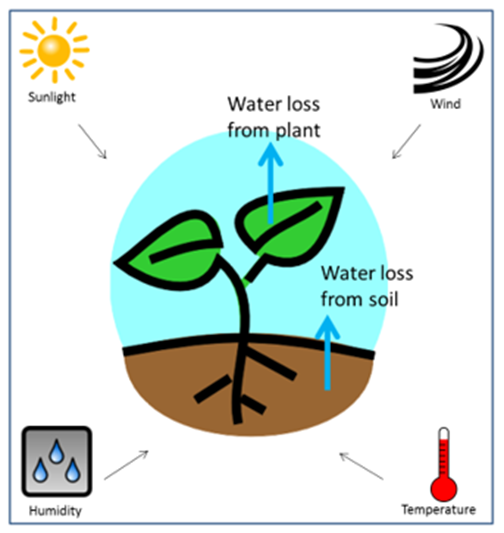
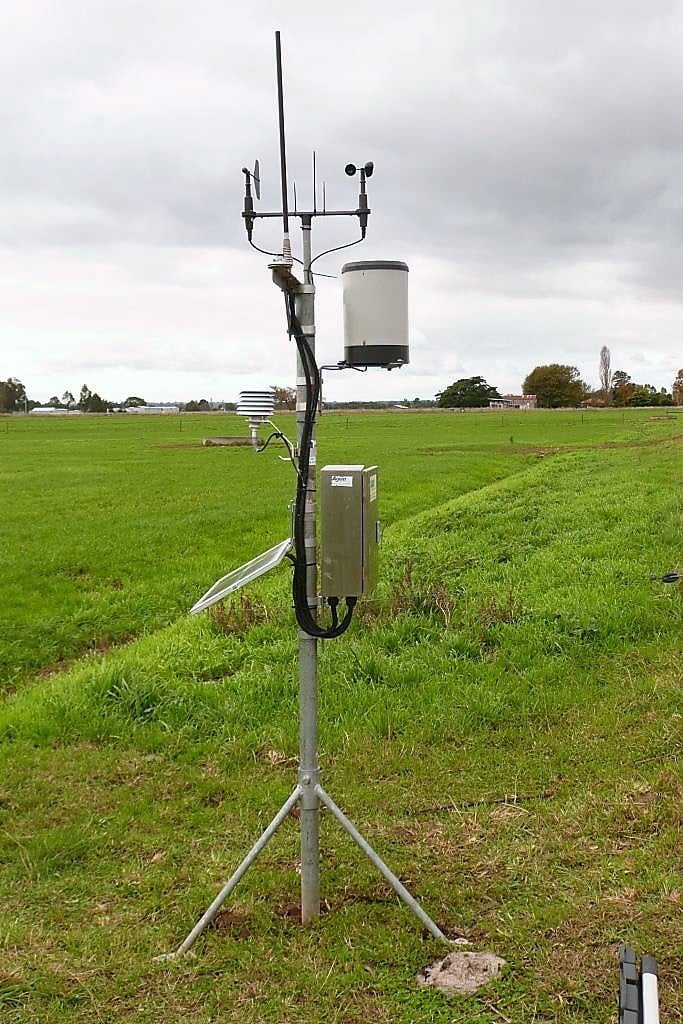
Evapotranspiration provides a relatively objective and reliable estimate of the water requirements of actively growing plants in a farm situation. Evapotranspiration information can be used by irrigators to more accurately schedule irrigations to help achieve top yields and improve water productivity. What is Evapotranspiration? Evapotranspiration is an estimate of the [...]

2021-05-05T15:32:56+10:0029 November 2018|Home, Irrigation Scheduling, Resources|

Centre Pivot and Lateral Move Performance Check

An underperforming centre pivot or lateral move (CPLM) irrigation system can be costly. Poor performance can occur throughout the system including in the pump, motor, sprinklers, drive mechanism, and end gun. This can impact your system’s ability to operate at the expected capacity and can result in poor crop emergence, [...]

2021-01-22T10:22:00+11:0022 January 2021|Irrigation Systems|

Plant based sensors for irrigation scheduling

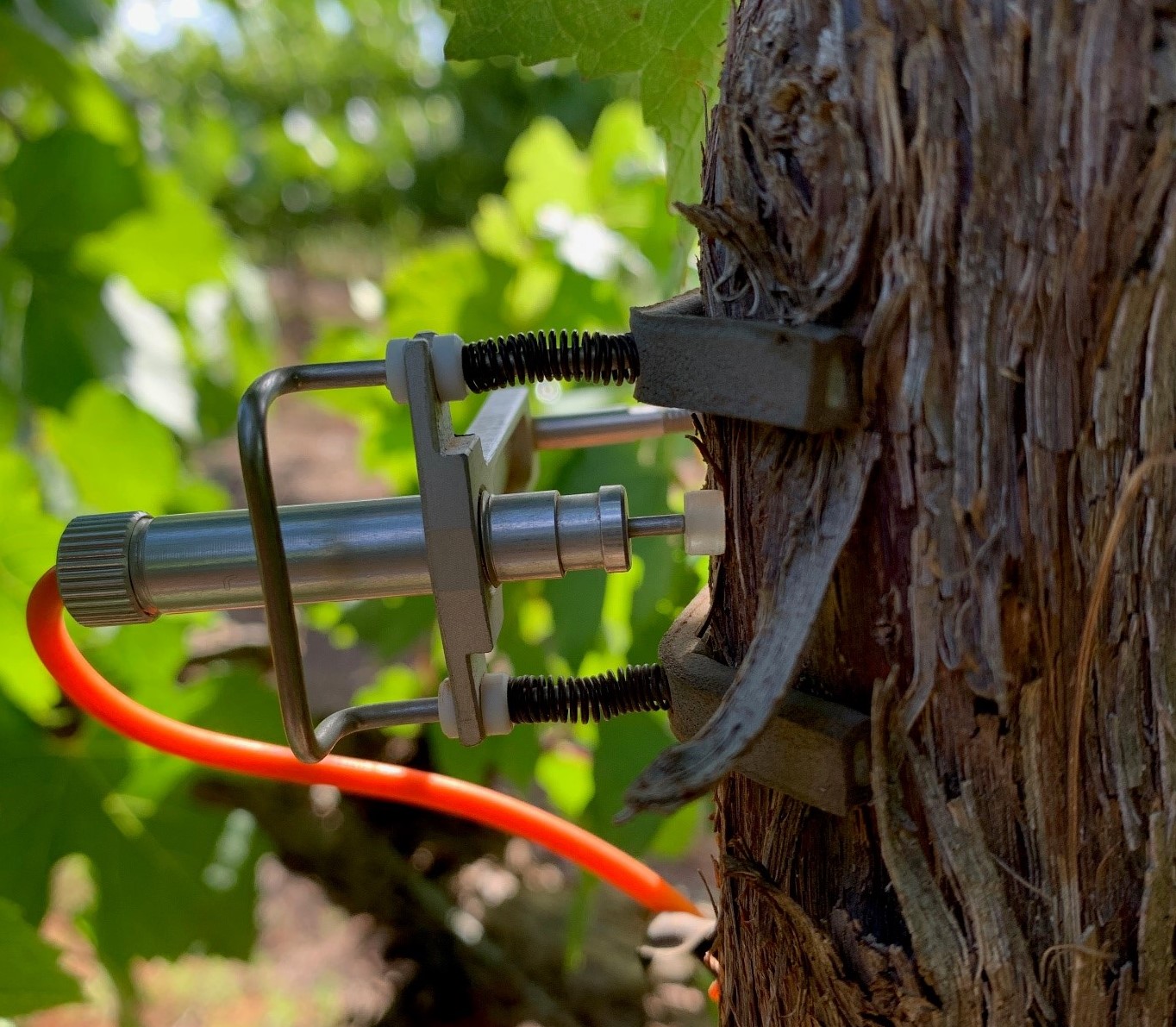
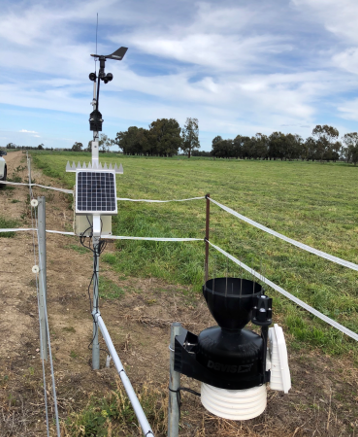
Technology used in irrigation scheduling is becoming more diverse and more sophisticated. Scheduling information can be gathered from variety of sources including weather stations, soil moisture monitoring devices, and plant sensors. Plant-based sensors work on the concept of using plants as a “biosensor”. Meaning, the plant is used as the [...]

2020-08-05T16:09:11+10:006 April 2020|Home, Irrigation Scheduling, Resources|

Managing horticultural crops with less water

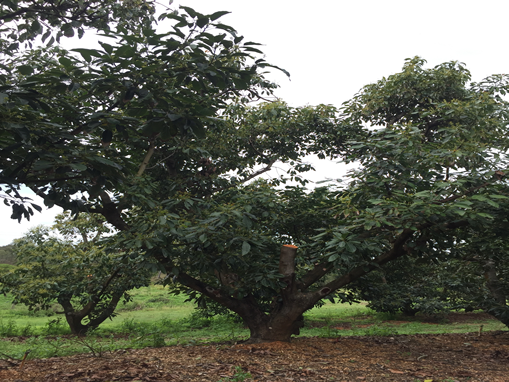
Irrigators may be faced with reduced water allocations at some stage in the future. In this situation a range of decisions may need to be made including:        the purchase of additional water (at a likely elevated value);        prioritise water onto preferred patches;        giving other patches reduced volumes with consequent reductions [...]

2020-08-05T15:46:37+10:0017 April 2018|Farm Planning, Home, Resources, Water Management|

Introduction to remote sensing for crop health

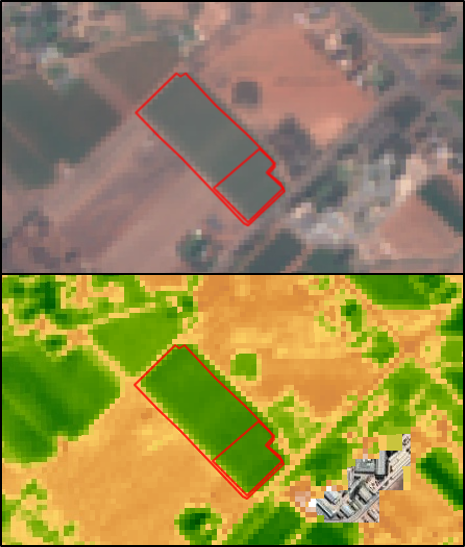
Remote sensing refers to a suite of technologies that use sensors to obtain information about an object without making contact with it. The sensors used to collect this information come in two forms, passive and active. Passive sensors capture information that is reflected or emitted by the object being observed. [...]

2020-05-25T16:12:17+10:0011 May 2020|Home, Irrigation Scheduling, Resources|
Go to Top