IPDM Manual for Apples and Pears
Summary:
The Integrated Pest Disease and Weed Management manual for Australian Apple and Pears – is a revised 2nd edition of the IPM manual well known to many …
Read More

Summary:
The Integrated Pest Disease and Weed Management manual for Australian Apple and Pears – is a revised 2nd edition of the IPM manual well known to many …
Read More
Australian Pome fruit orchardists vary in their tolerance of fruit damage and appearance of the fruit. The most important measure of success is the marketable …
Read More
Question: “How does mating disruption affect trap counts and thresholds for spraying? What are the general thresholds for Codling moth with/without mating disruption? Are the …
Read More
An article was published in the Australian Fruit Growers Magazine (Summer Edition 2025), and contains information on suggested ways to control Common (Brown) Garden Snails …
Read More
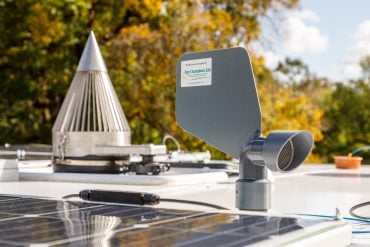
The iMapPESTS project is testing out its mobile pest and disease ‘Sentinel’ traps at Langhorne Creek, 70km south of Adelaide.
The ‘Sentinel’ mobile unit is part …
Read More
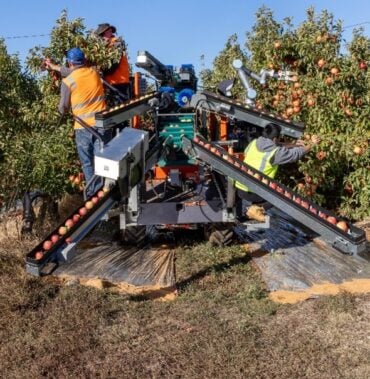
Visit Agriculture Victoria’s Tatura Smart Farm where Australia’s two largest national R&D programs into profitable, modern and sustainable orchard systems are underway for apple and …
Read More
David Williams, our honorary visiting research scientist and IPDM expert, provides a link to an article on earwigs, millipedes, and slaters from the GRDC PestFacts …
Read More
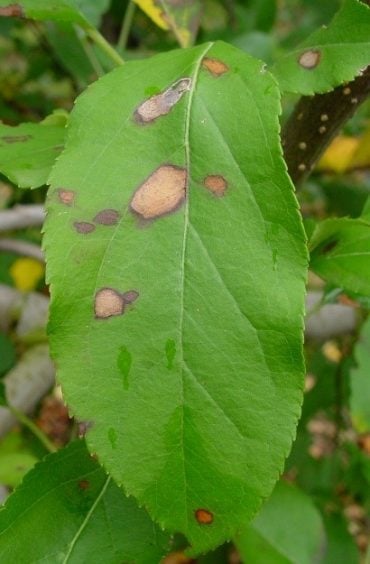
These two diseases affect flowers, fruit and foliage causing serious yields and fruit quality losses. They are most likely to occur in the wet seasons …
Read More
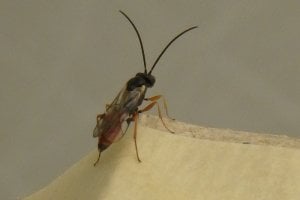
A newly imported Mastrus ridens colony may hold the key to future successful establishment of this parasitic wasp, an important biological control tool in the long-term management …
Read More
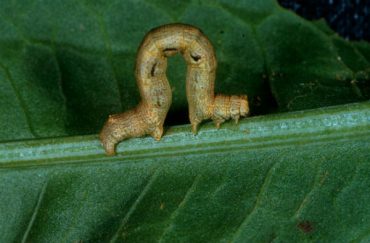
Helicoverpa
The native budworm Helicoverpa punctigera and the cotton bollworm Helicoverpa armigera (also known in Australia as tobacco budworm, tomato grub, corn earworm) can attack pome …
Read More
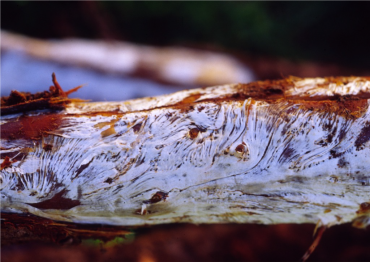
The disease and its impact
Armillaria root rot is mainly caused by a native fungal species, Armillaria luteobubalina whereas overseas the most common cause of this …
Read More