
Varroa
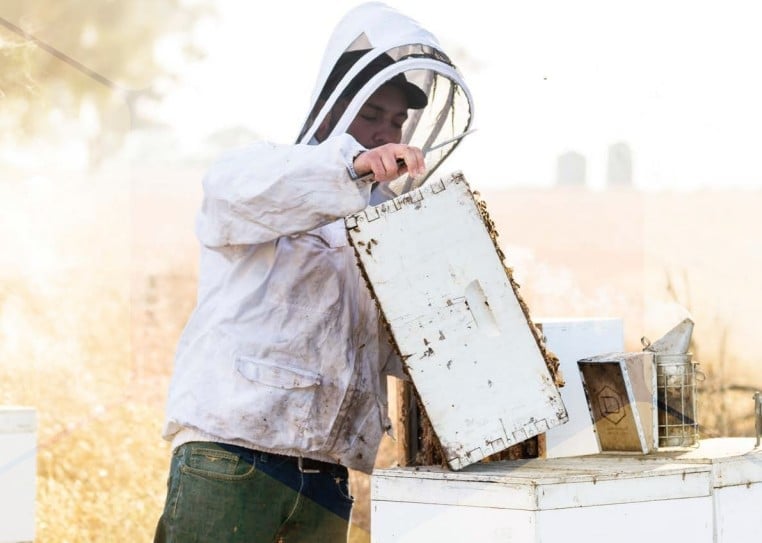
The Honey Bee Biosecurity Code of Practice has been updated
The Australian Honey Bee Industry Biosecurity Code of Practice (the Code) was revised in late 2025 to reflect the establishment of Varroa destructor in parts of Australia. This summary outlines what beekeepers must do to be compliant. Where the Code has been legislated in your state or territory, Part B is compulsory for all beekeepers. Part C adds extra compulsory ...
Real Beekeeper Stories: Varroa Mite Case Studies
The National Varroa Mite Management Program has gathered a collection of case studies sharing real experiences from beekeepers across Australia as they manage the impacts of Varroa mite. These stories, while anecdotal and not formal research, provide an honest look at what both recreational and commercial beekeepers — and Varroa Development Officers — have seen firsthand. They aim to help ...
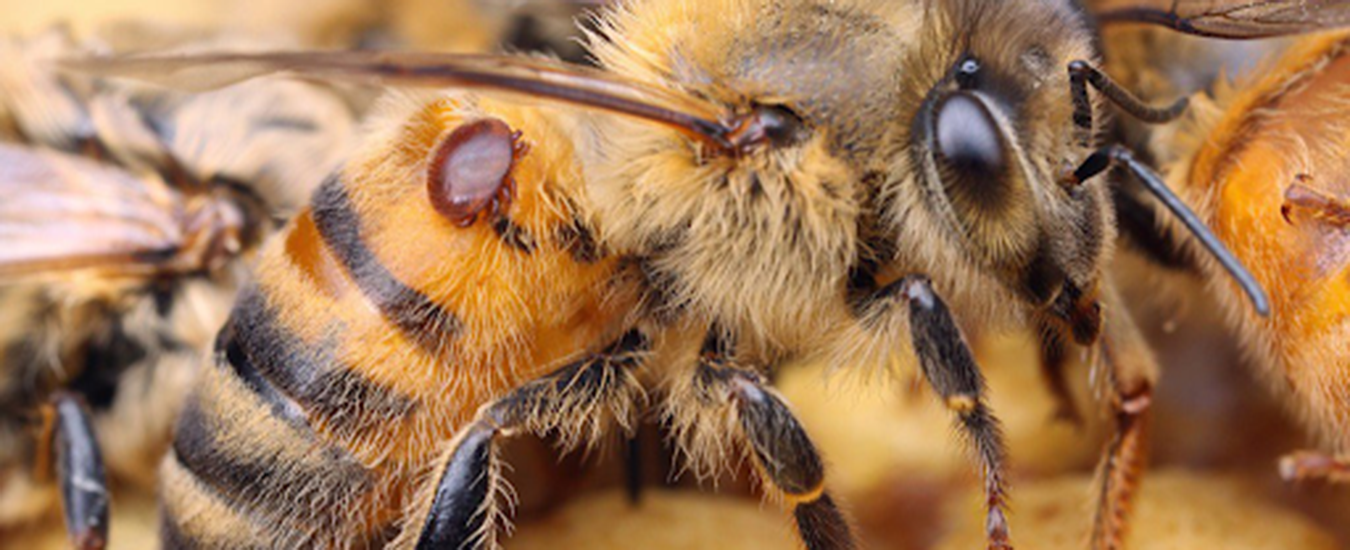
Varroa mite resources for Australian beekeepers – Essential information and support
Varroa mite is a major challenge for Australian beekeepers, but there are plenty of resources to help manage the pest and protect honey bee populations. The AgriFutures Australia Varroa Destructor Research Strategy (2024-2027) outlines the plan for future research, while the National Honey Bee Breeding Strategy offers guidance on strengthening bee populations. The National Varroa Mite Management Program offers a ...
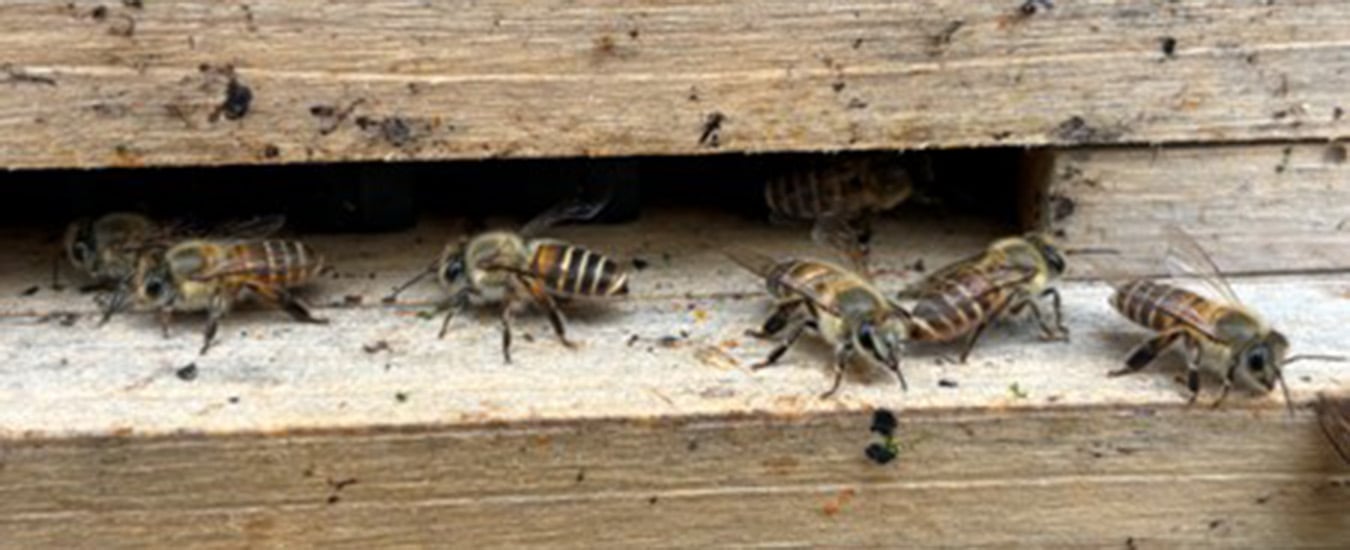
Can Varroa switch between Apis mellifera and Apis cerana?
Beekeepers in north Queensland have been familiar with Apis cerana, the Asian hive bee, since it was discovered in Cairns in 2007. There are now concerns that Varroa destructor (Varroa) will be able to switch back and forth between A. cerana and A. mellifera (the Western honey bee, often referred to as the European honey bee). If this is the ...
Non-chemical varroa control methods
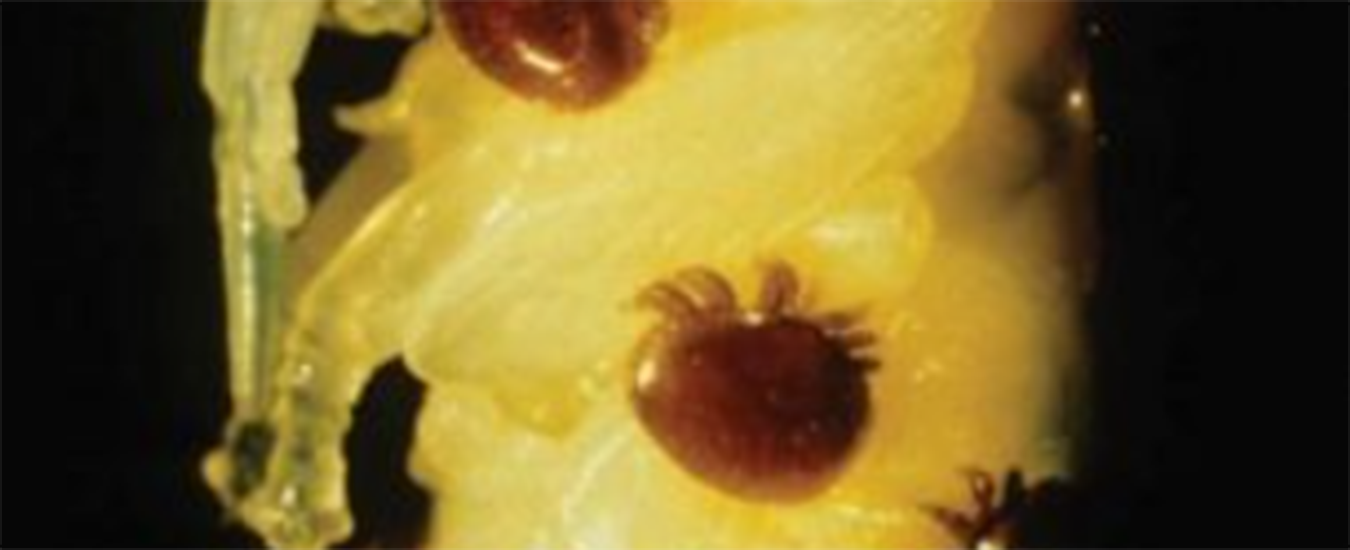
June 2022 will surely stay in the minds of many Australian beekeepers, as it drastically changed beekeeping, especially in New South Wales. With the incursion of Varroa destructor (hereafter varroa) in Newcastle, beekeepers must now monitor and find new ways to protect their hives to manage varroa loads. Varroa is the most serious pest of the Western (European) honey bee, ...
What do international experts advise on Varroa?
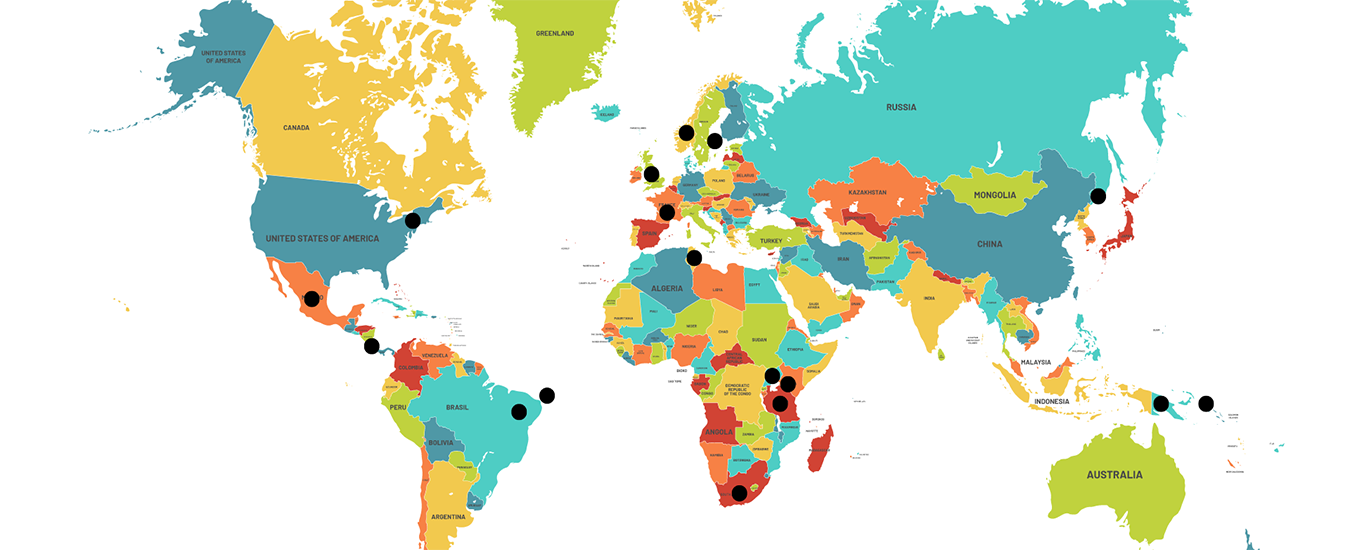
Researchers working on the AgriFutures Australia funded project Resilient beekeeping in the face of Varroa surveyed 164 international experts, from across the honey bee and pollination industry, seeking advice on varroa. Experts included beekeepers, researchers, apiary officers, and policy analysts from 21 countries around the world (Figure 1). Key findings The key findings are outlined below. Education is the most ...

Varroa resistance: what trait/s should you focus on?
We’re all worried about what varroa means for beekeeping in the future. There is no doubt that things will change. Imagine living with varroa without putting chemicals into hives that can harm bees, honey, wax, people, and beekeepers’ wallets. Through breeding, this can be a reality. Honey bees have natural defences to keep varroa populations below economic thresholds before chemical ...
How can pollination dependent industries help with varroa?
Pollination-dependent industries play an important role in honey bee health. While this may not be directly linked to varroa management, growers can take steps to improve the health of the bees on their properties. This will in turn make these colonies and the honey bee industry as a whole more resilient to varroa. If varroa results in the loss of ...
Naturally varroa surviving populations
The Australian Government predicted that 50-60% of beekeepers, mostly recreational and small commercial, would leave the industry should varroa become established in Australian honey bee colonies, and that there would be a small decrease (less than 5%) in the number of hives kept by large commercial beekeepers. Based on data from the United States and Europe they predicted that 95—100% ...

Varroa resistance: low mite population growth
Selecting colonies with low mite population (LMP) or reduced mite population growth (MPG) to breed from will result in decreased mite loads. Measurement is quick and simple to perform and will be part of every beekeepers’ toolkit: alcohol or soapy water washes. Selecting for low infestation will promote all traits that keep varroa populations low, even those that we do ...
Chemical treatments for varroa – synthetic or naturally derived?
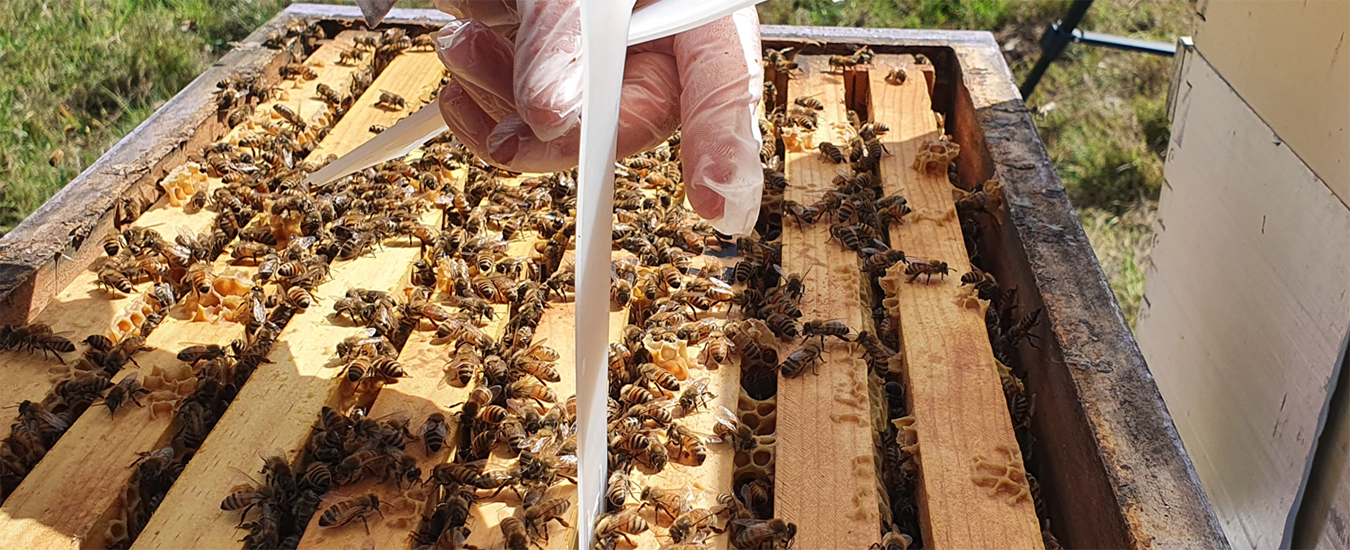
When managing hives that are carrying varroa, it is inevitable that beekeepers will, at some point, have to use chemical treatments. But where possible, treatment with chemicals should be avoided and a range of non-chemical treatments and practices employed — as part of an integrated pest management (IPM) strategy — to keep mite infestation below a level that becomes detrimental ...

Varroa resistance: mite non reproduction and varroa sensitive hygiene
Mite non reproduction (MNR) or suppressed mite reproduction (SMR) is a suite of traits, and factors, that work together to limit successful mite reproduction. Some bee specific traits can be selected individually, such as Varroa sensitive hygiene (VSH), recapping (REC), and hygienic behaviour (HYB) (Figure 1). However, by focussing on singular traits, we fail to recognise and promote all the ...