Policy and compliance
Introduction to Integrated Pest Management for Beekeepers
It can be overwhelming to decide how to manage pests and diseases in your honey bee colonies, especially when there is already a long list of things to accomplish in the apiary. However, pests and diseases can do irreversible damage and spread between colonies if ignored–that’s where integrated pest management (IPM) can help. IPM provides the framework for a balanced ...
Who is Professional Beekeepers for?
The Professional Beekeepers Community of Practice has been established to meet the needs of rural and regional Australians for the extension of beekeeping knowledge and to promote collaboration on important issues to commercial beekeeping. In short, we provide expert knowledge for a resilient beekeeping community. Anyone can be a professional beekeeper. You can be a commercial beekeeper or a recreational ...
Help eradicate Varroa mite
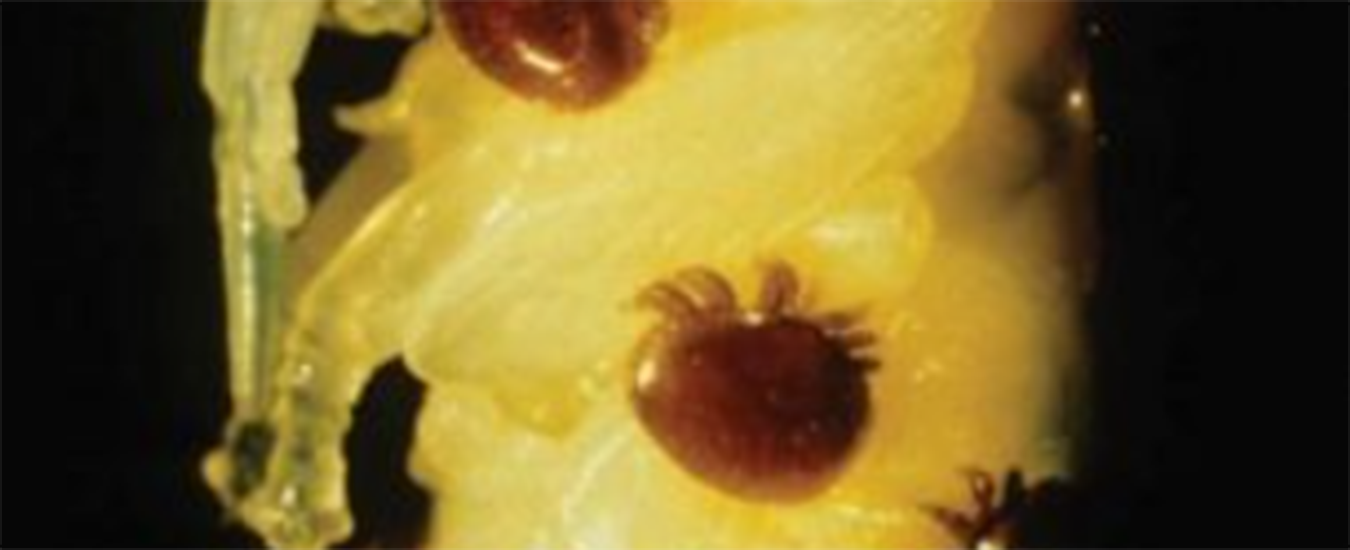
NSW Department of Primary Industries’ early warning system has detected Varroa mites, which was confirmed as Varroa destructor species, in biosecurity surveillance hives at the Port of Newcastle on 22 June 2022. NSW DPI is working to protect the NSW and broader Australian beekeeping industry by ensuring we eradicate this parasite. Where it is established, Varroa destructor is globally the most damaging ...
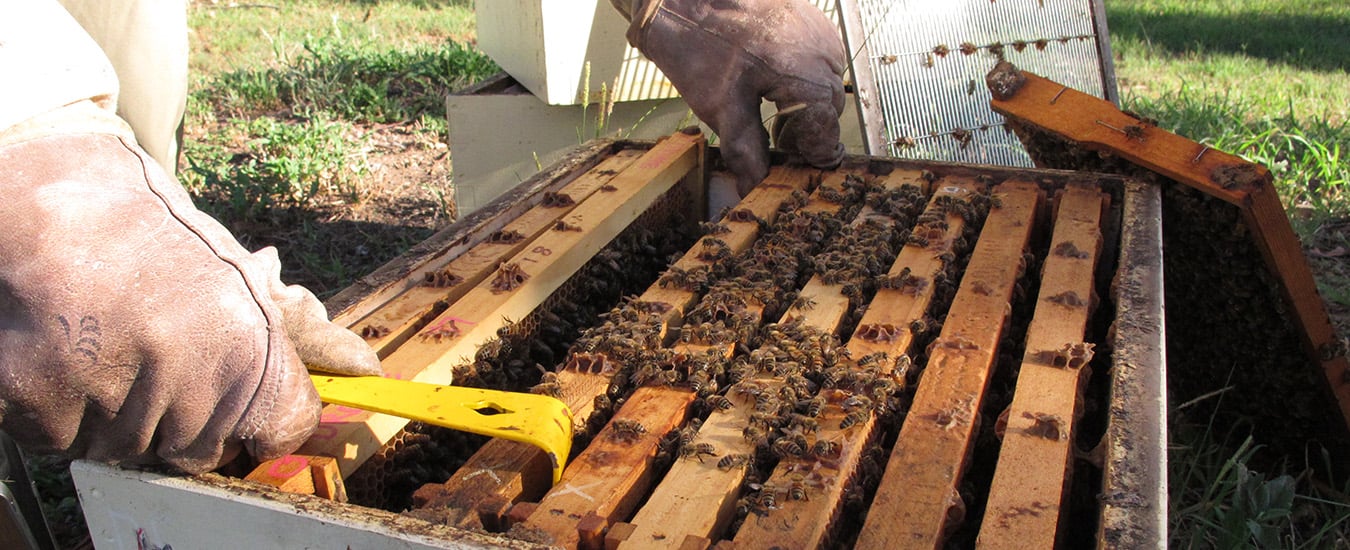
Australian beekeepers need to regularly check for exotic mites
Australian honey industry at risk from exotic mites The majority of Australian beekeepers are completely unskilled and unprepared should mites arrive to our shores and start impacting our bees. All around the world, the best performing and most profitable beekeepers are always those that undertake a lot of mite surveillance on their hives. They know this management tool is important ...
Nuisance bees
With a growth in the keeping of bees especially in high residential areas, there are a few things to consider so that your bees do not become a problem for you, your family, friends and neighbours. Remember not everyone loves bees, with some being scared, and a small percentage experiencing allergic reactions (anaphylaxis) that can be life threatening. Don’t use ...
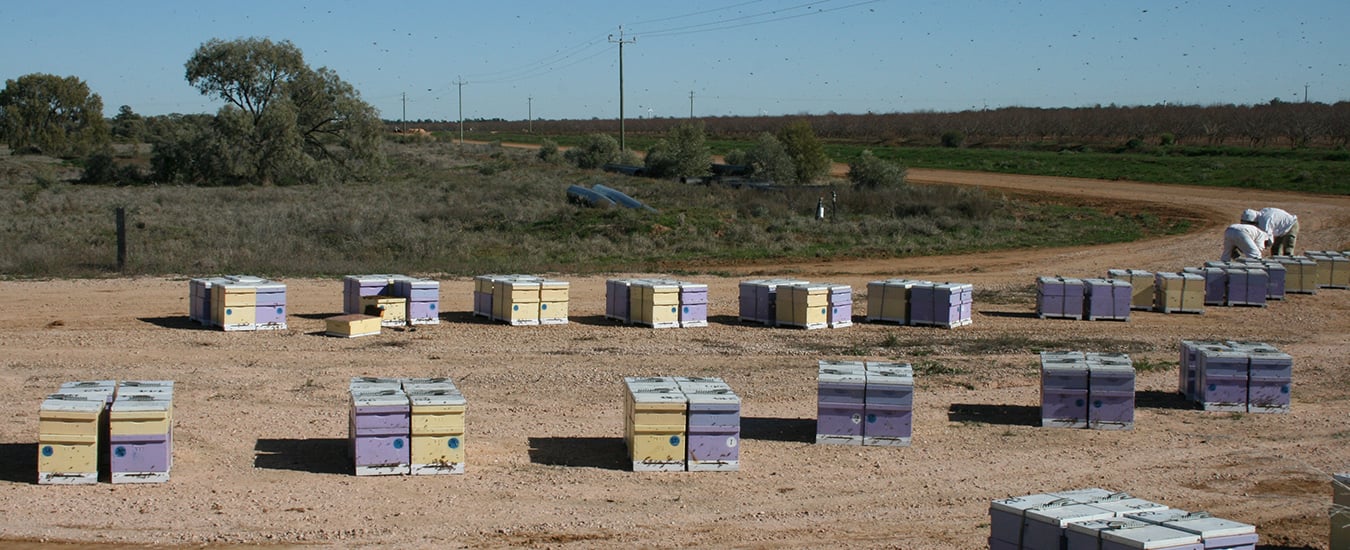
NSW Beekeeping Industry – 2020 economic report
NSW Performance Data and Insights 2020 The NSW Primary Industries Performance Data & Insights (PDI) highlights the economic output of the NSW Primary Industries sector each financial year. It reflects the underlying strength and long-term viability of primary industry sectors including beekeeping. 2020 marked the first in-depth look into honey and beeswax production in NSW. The full report is available ...

One hive or too many to count: Why pest and disease training matters
A experienced beekeeper (20 years of keeping bees) attending training in honey bee biosecurity described to the class how after inspecting some hives and discovering signs of brood disease, 30 hives, the entire apiary on this site had been thrown on the burn pile. As the class discussed various pests and diseases of honeybees this beekeeper elaborated on the story ...
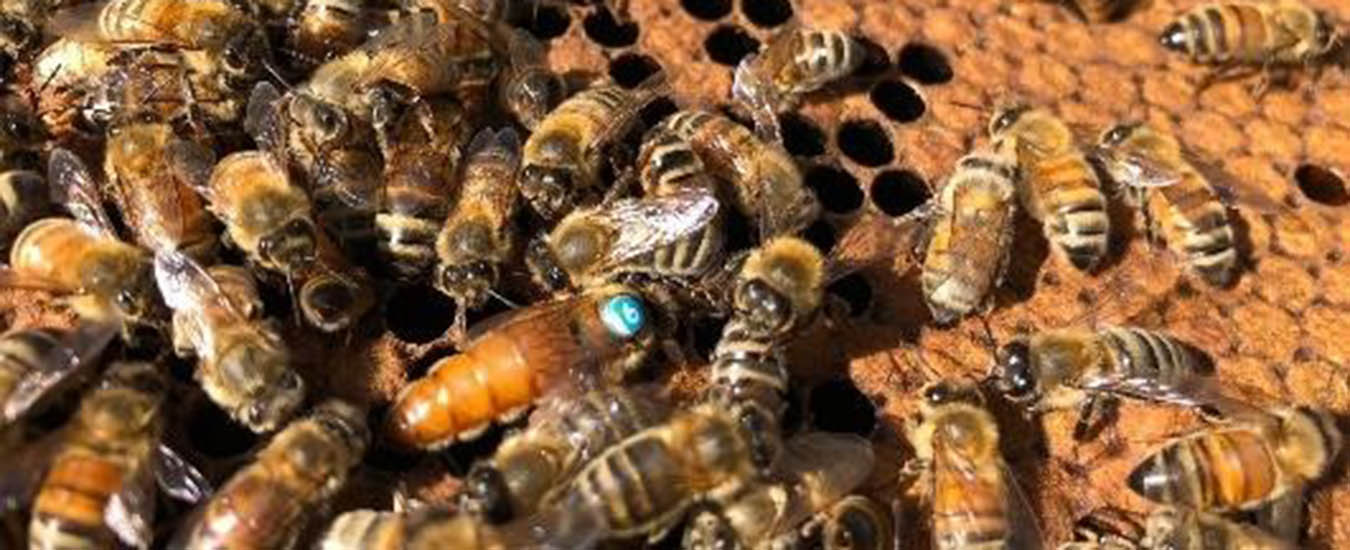
Safe imports of new bee genetics into Australia
Queen bee breeders are the backbone of the honey bee industry. They breed queens from the best performing stock so that beekeepers can have productive and healthy colonies. Sometimes queen breeders need to import new genetics (in the form of queen bees or drone bee semen) with specific qualities like resistance to Varroa mites. But bringing in queens or semen ...
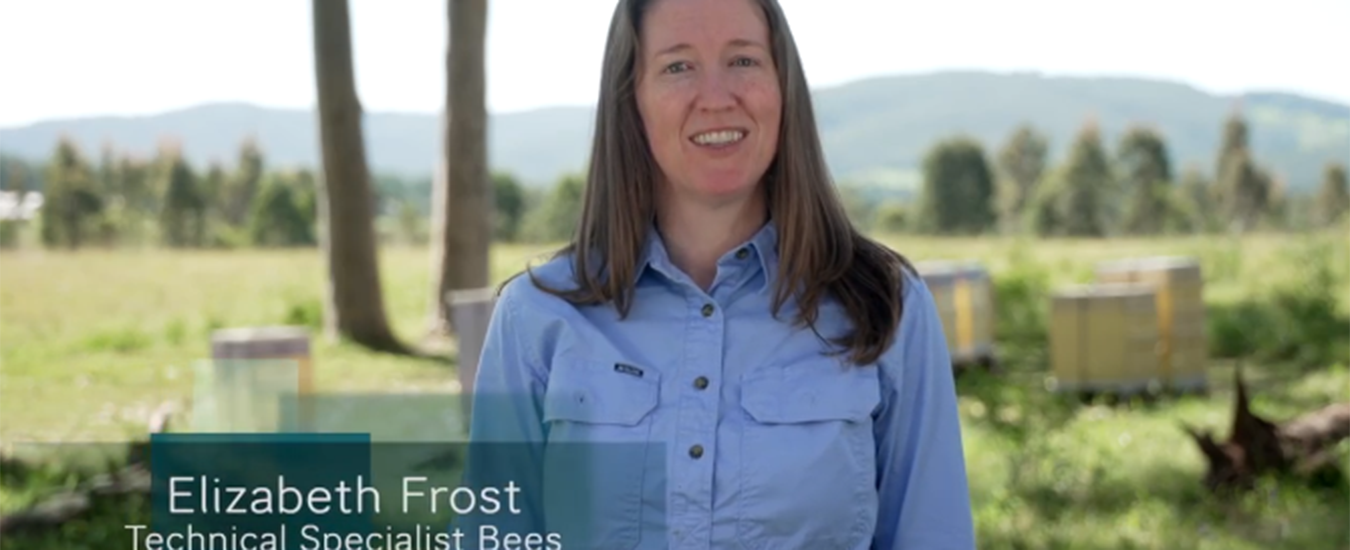
Professional Beekeepers Community of Practice
“ExtensionAUS Professional Beekeepers” provides the most current, relevant and accurate information on research, best beekeeping practices, hot topics and business solutions for the Australian beekeeping industry. Professional Beekeepers is an AgriFutures extension initiative. Our website is a “community of practice” led by passionate and knowledgeable industry experts. It is your go to place for best practice, tips and insights on ...
Hive inspections
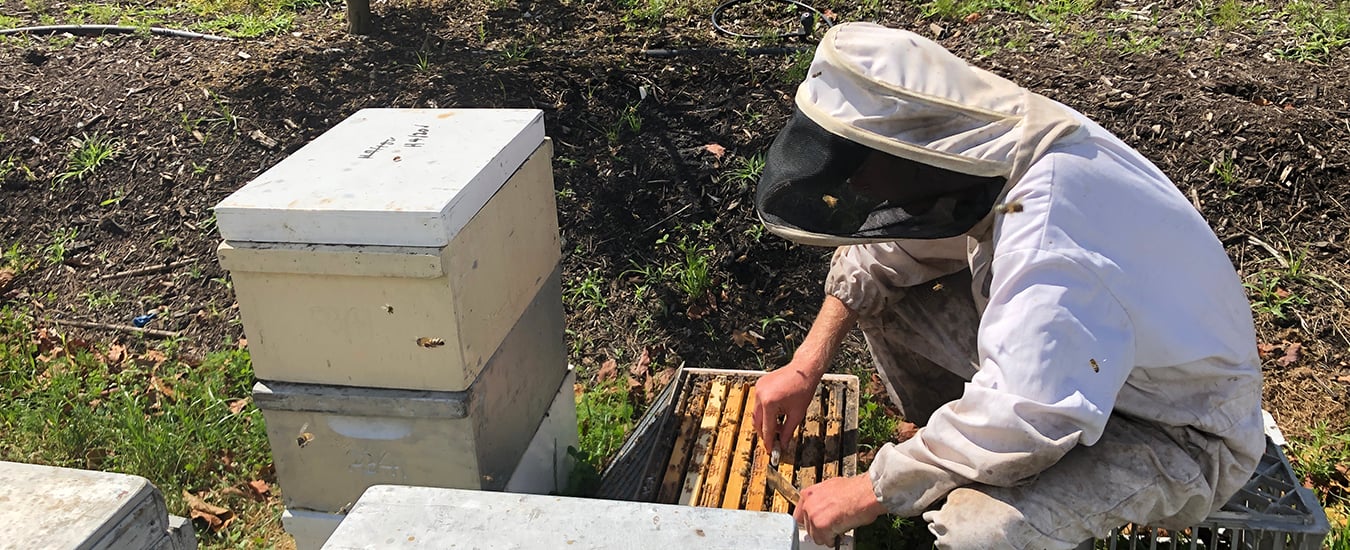
Under the Australian honey bee industry biosecurity code of practice beekeepers are required to inspect their hives at least twice per year and to keep accurate records. Each hive must be inspected for hive strength and the presence of pests and diseases, inspecting at least three full-depth brood frames. If only two inspections are performed in a year they must ...
Do you need skilled beekeepers?
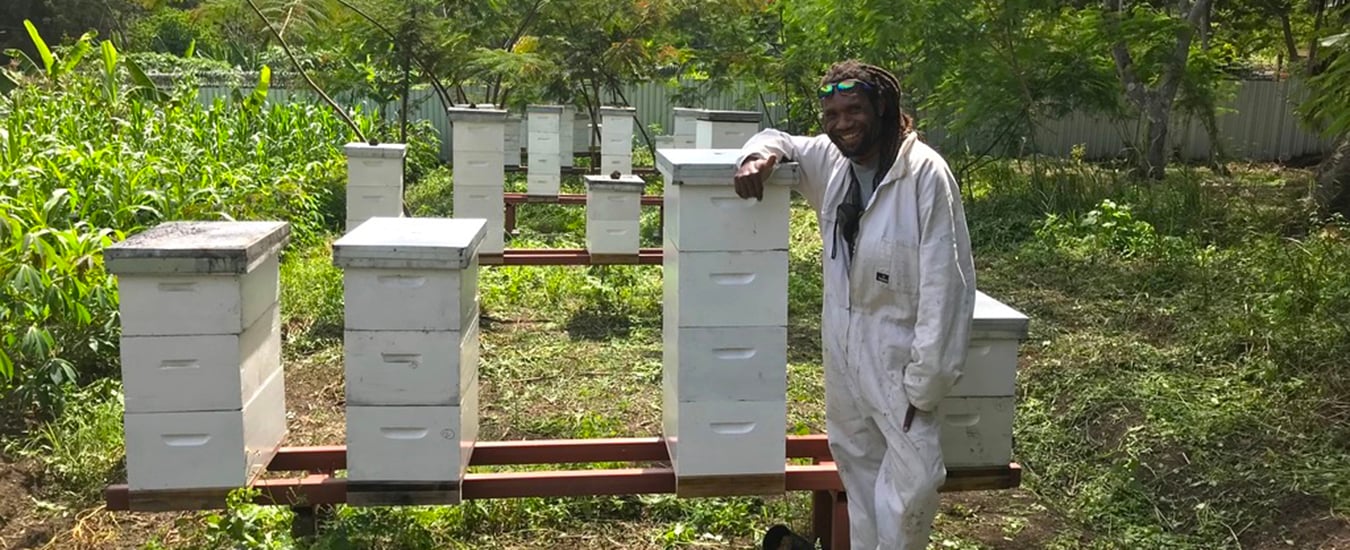
Australian beekeepers who can’t find experienced and local workers to meet their needs can recruit employees from some of our nearest neighbours in the Pacific. Some commercial beekeepers in Australia have already tapped into this resource and the opportunities are apparent. When asked how likely these bee businesses would be to recommend this scheme to other commercial beekeepers, the response ...

Why you should use Australian beeswax
The Australian Honey Bee Industry Council (AHBIC) recently released a statement regarding the importation of beeswax. Testing of some imported beeswax has shown that it contained chemicals that are not permitted in Australian beeswax, and that some purported pure beeswax had been adulterated with paraffin. Beeswax is used in beekeeping to make foundation – the template on which colonies build ...