Pollination
What Australian beekeepers can expect of hive sensors
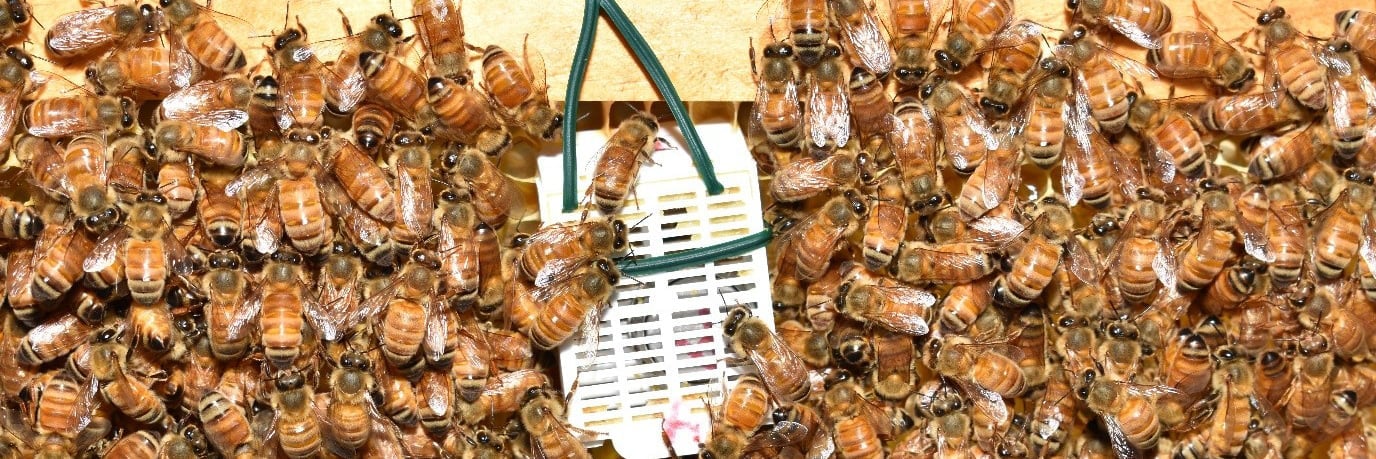
Core beekeeping practices have remained largely unchanged since the development of the movable hive frame in the 1800s. Particularly, manual inspections of the hive contents have remained the primary method for evaluating hive condition and identifying and addressing diseases and pests like mites and beetles. In the last decade however, hive sensors that promise to provide remote data on hive condition have emerged. Many beekeepers remain hesitant to adopt hive sensors in Australia. Our work, sponsored by Hort Innovation and Macquarie University, aimed to determine the needs and expectations of ...
How can pollination dependent industries help with varroa?
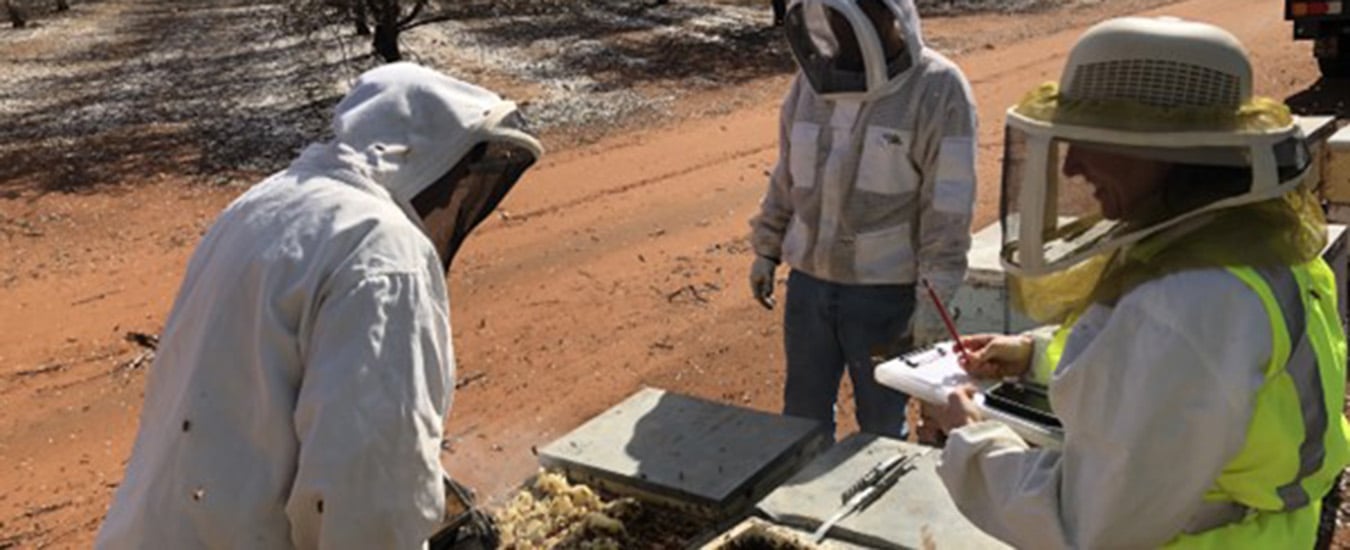
Pollination-dependent industries play an important role in honey bee health. While this may not be directly linked to varroa management, growers can take steps to improve the health of the bees on their properties. This will in turn make these colonies and the honey bee industry as a whole more resilient to varroa. If varroa results in the loss of ...
Monitoring hives for better pollination: how it works
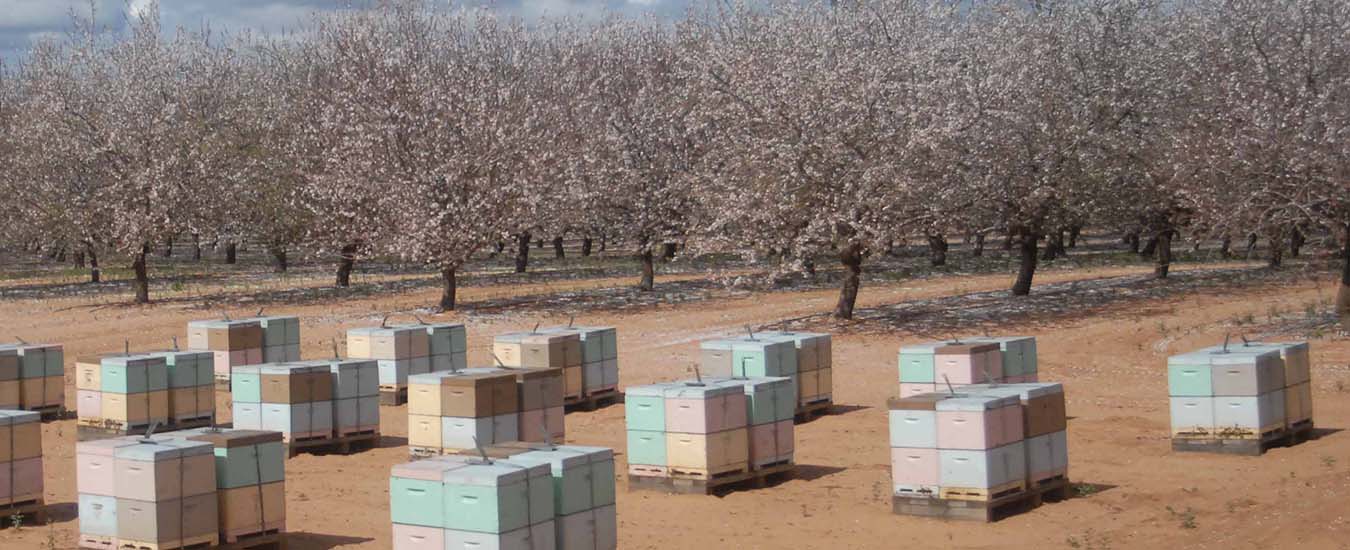
Precision agriculture or “AgTech” is well known from fruit and vegetables producers, but it has only recently started to make its way into beekeeping. Hive sensors or “smart hives” may well help solve the pollination crisis. Pollination services are crucial for many growers, but hive supply is often low and their hive represents a significant proportion of production costs. Using ...
Who is Professional Beekeepers for?
The Professional Beekeepers Community of Practice has been established to meet the needs of rural and regional Australians for the extension of beekeeping knowledge and to promote collaboration on important issues to commercial beekeeping. In short, we provide expert knowledge for a resilient beekeeping community. Anyone can be a professional beekeeper. You can be a commercial beekeeper or a recreational ...
Snapshot of Western Australian beekeeping industry
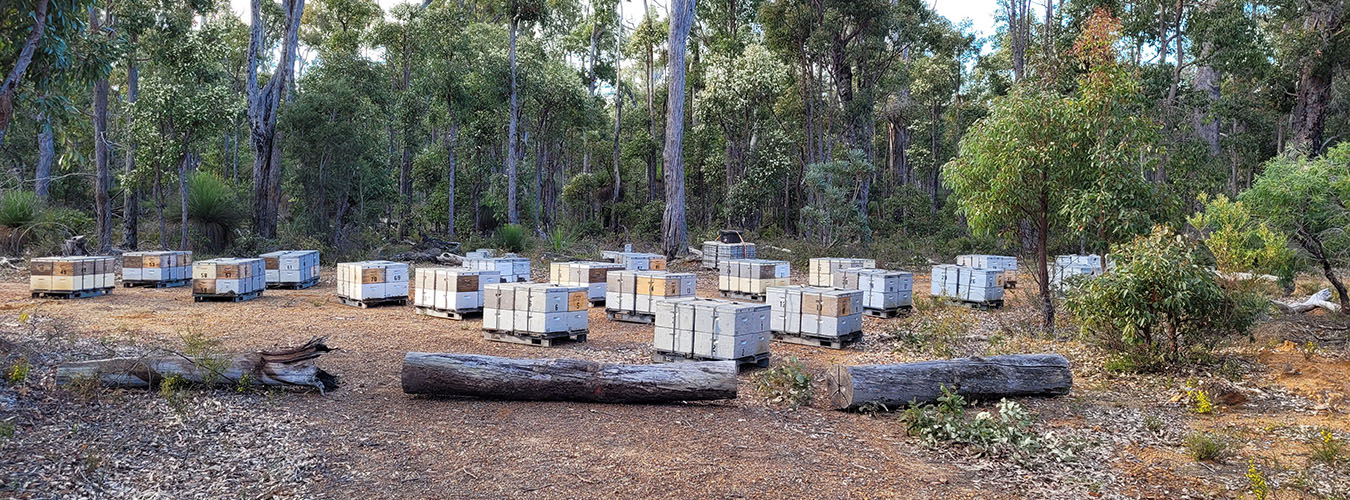
Researchers from the University of Western Australia conducted a survey in 2020-21 to value bush apiary sites in the southwestern area of the state and provide economic data on the industry. The paper is publicly available and provides a wealth of insight into the industry that will be important for demonstrating the impact of government decisions on the beekeeping and ...

Are robotic bees the future … not for now
Flying robotic bees A glimpse of that future was seen in the Netflix show ‘Black Mirror’ episode ‘Hated in the Nation’ in which autonomous mechanical bees have been created to replace the almost extinct bees. It is clear that wild pollinators are decreasing in population due to several threats. But are robotic bees the answer? Short answer is, they already ...
2021 Plan Bee survey
In 2021, 109 beekeepers responded to a survey about queen replacement strategies, satisfaction with purchased queens, trait desirability, and attitudes to the Plan Bee honey bee genetic improvement program. Plan Bee has the support of the majority of beekeepers surveyed, with 73% agreeing that modern breeding techniques will improve program success, and 94% seeing the value of the program. Queens ...

Where do we find bees?
Bees are important pollinators, they provide an essential service required for both the ecosystem and humans as several food crops rely on insect pollination. Particular species such as the honey bee, provide hive products that have a variety of use from food to medicinal. In Australia, native bee species are effective pollinators of native flora. The feat of working out ...

Plan Bee pollination webinar
The economic value of honey bees in Australia was AU$8.35-19.97 billion in 2015 (Karasińki 2018). Much of this value comes from pollination of 53 agricultural crops. Pollination can improve both the yield and the quality of produce, and 35 Australian industries are dependent on honey bees, with others benefiting from them. One of the aims of Plan Bee, Australia’s honey ...
Can honey bee stock pollinate the world?
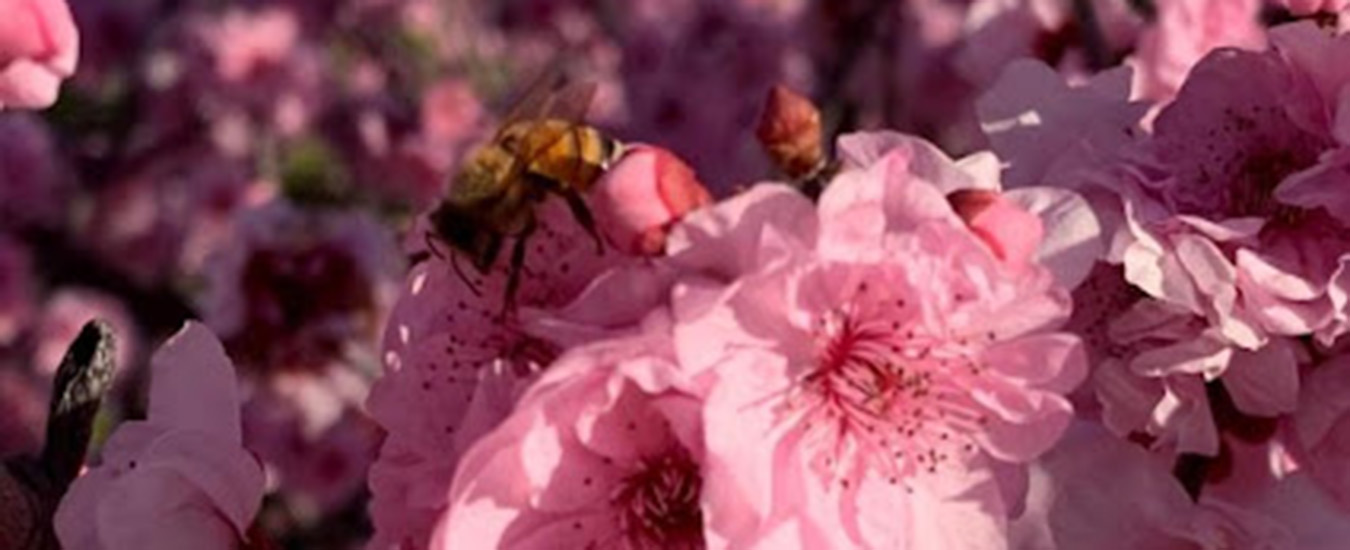
Pollination is a key biological service that is especially important in maintaining global food supply as 75% of global crops require pollination via animals. Insects, and especially the honey bee are some of the most important pollinators worldwide. In Australia, honey bees are responsible for pollinating 65% of Australia’s agricultural crops. Honey bees are being threatened due to multiple stressors ...
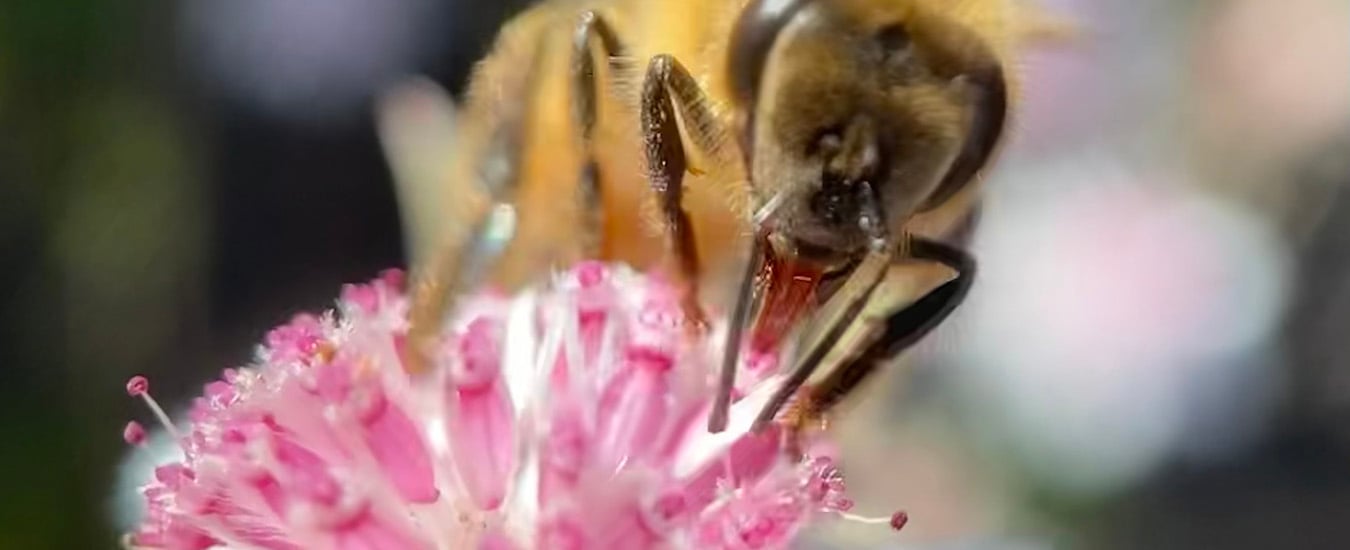
To understand our bees we must understand our plants
In Australia, through the Plan Bee program, we are embarking on a journey to implement estimated breeding values to assist in genetic selection. This process has been successful in improving the productivity of other animal industries and the Australian honey bee industry is looking to emulate this success. But outside of estimated breeding values there are other lessons we can ...
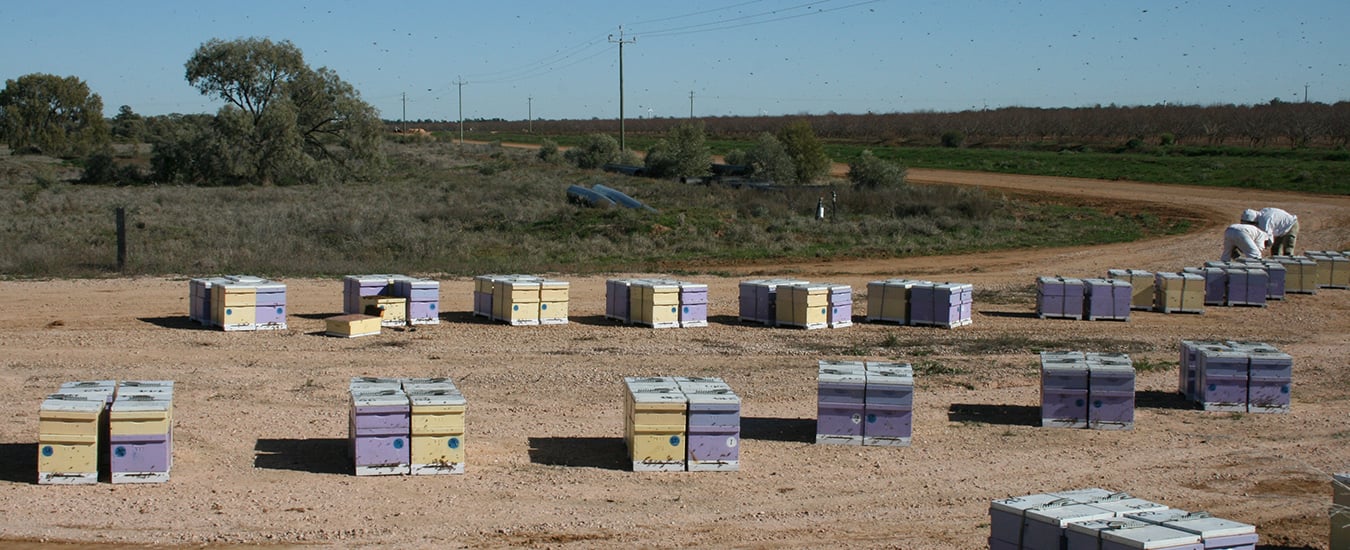
NSW Beekeeping Industry – 2020 economic report
NSW Performance Data and Insights 2020 The NSW Primary Industries Performance Data & Insights (PDI) highlights the economic output of the NSW Primary Industries sector each financial year. It reflects the underlying strength and long-term viability of primary industry sectors including beekeeping. 2020 marked the first in-depth look into honey and beeswax production in NSW. The full report is available ...