
Beekeeping on Public Land
Hazard reduction burns: can they be done better?
Hazard reduction burns (or prescribed/planned burns) aim to reduce the risk of bushfires. The 2019-20 bushfires left beekeepers devastated by the loss of bee hives, dwellings, infrastructure, equipment, site access points, and bee sites, with direct impacts upon their ability to provide pollination services (Clarke 2023). Fewer bushfires would be of benefit to the beekeeping industry, and thus hazard ...
Who is Professional Beekeepers for?
The Professional Beekeepers Community of Practice has been established to meet the needs of rural and regional Australians for the extension of beekeeping knowledge and to promote collaboration on important issues to commercial beekeeping. In short, we provide expert knowledge for a resilient beekeeping community. Anyone can be a professional beekeeper. You can be a commercial beekeeper or a recreational ...
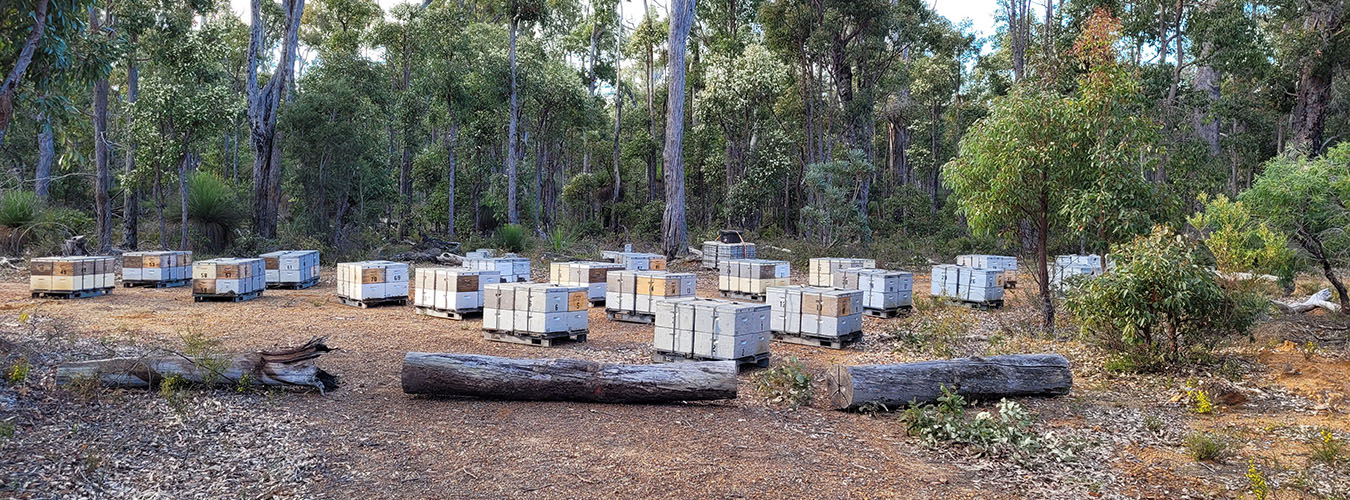
Snapshot of Western Australian beekeeping industry
Researchers from the University of Western Australia conducted a survey in 2020-21 to value bush apiary sites in the southwestern area of the state and provide economic data on the industry. The paper is publicly available and provides a wealth of insight into the industry that will be important for demonstrating the impact of government decisions on the beekeeping and ...
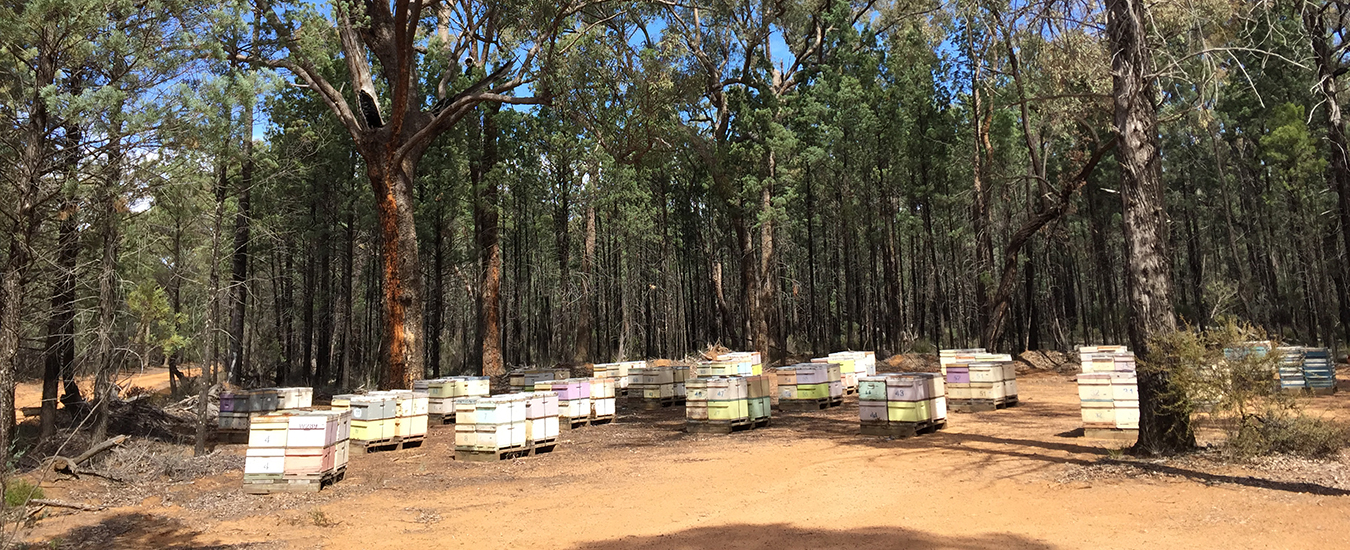
Accessing public lands for beekeepers
Public land covers 63% of Australia’s land mass as of 2015 and is an essential resource for the beekeeping industry. Bees require floral resources year round, meaning beekeepers often have to migrate their honey bees to access good floral resources. Whilst pollination contracts allow bees to access flowering crops, this is only for specific times of the year and a ...
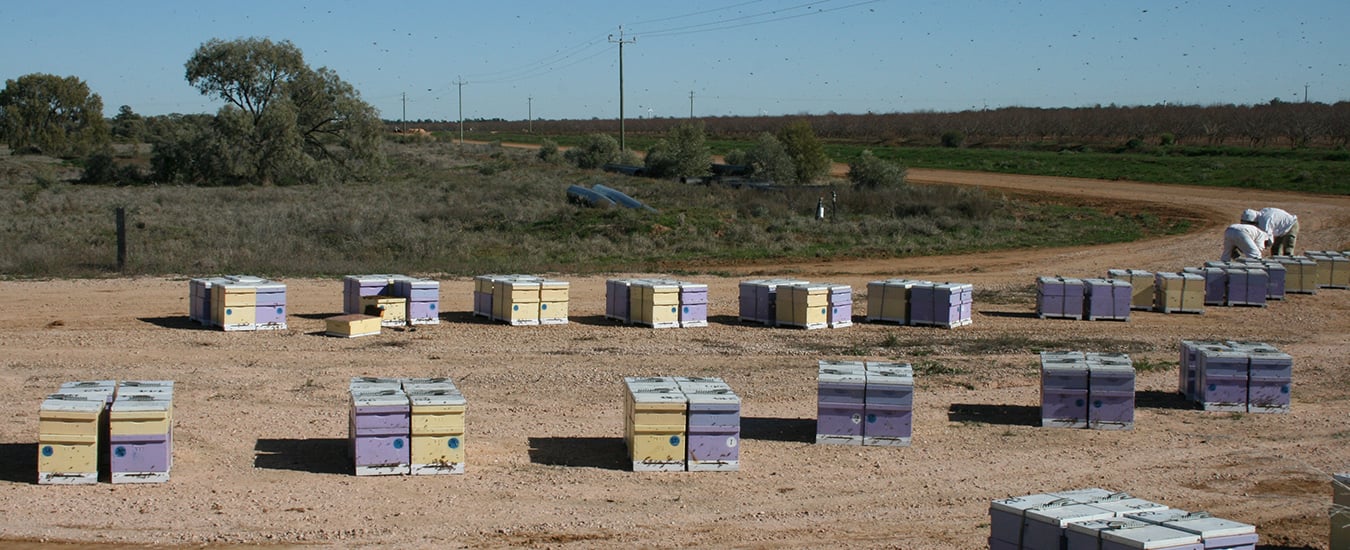
NSW Beekeeping Industry – 2020 economic report
NSW Performance Data and Insights 2020 The NSW Primary Industries Performance Data & Insights (PDI) highlights the economic output of the NSW Primary Industries sector each financial year. It reflects the underlying strength and long-term viability of primary industry sectors including beekeeping. 2020 marked the first in-depth look into honey and beeswax production in NSW. The full report is available ...
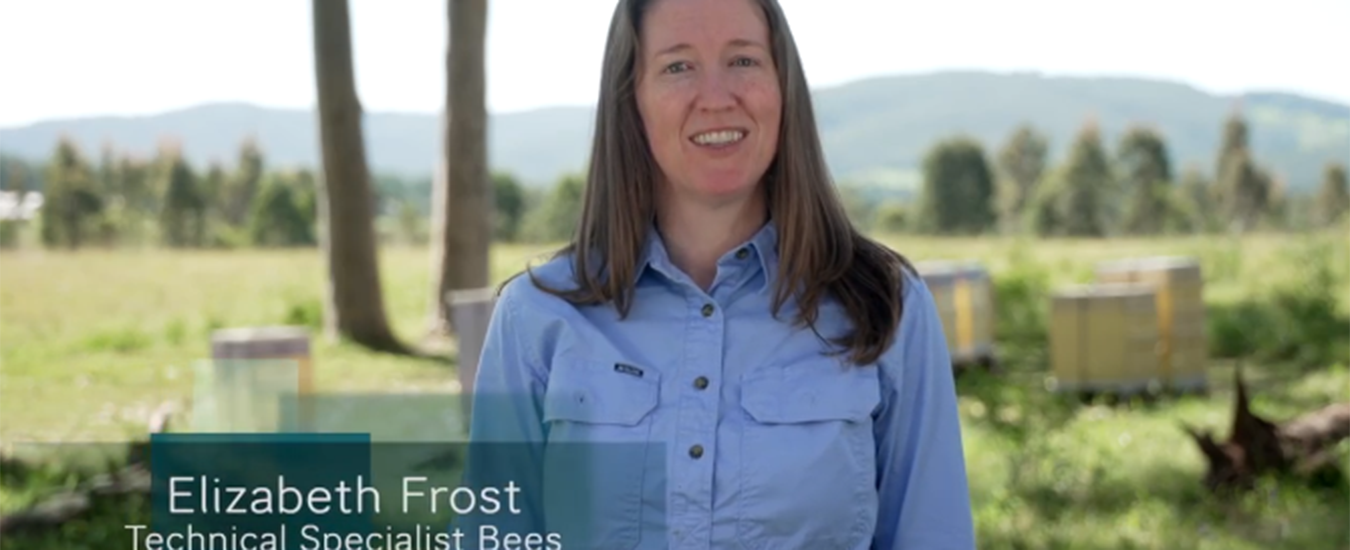
Professional Beekeepers Community of Practice
“ExtensionAUS Professional Beekeepers” provides the most current, relevant and accurate information on research, best beekeeping practices, hot topics and business solutions for the Australian beekeeping industry. Professional Beekeepers is an AgriFutures extension initiative. Our website is a “community of practice” led by passionate and knowledgeable industry experts. It is your go to place for best practice, tips and insights on ...
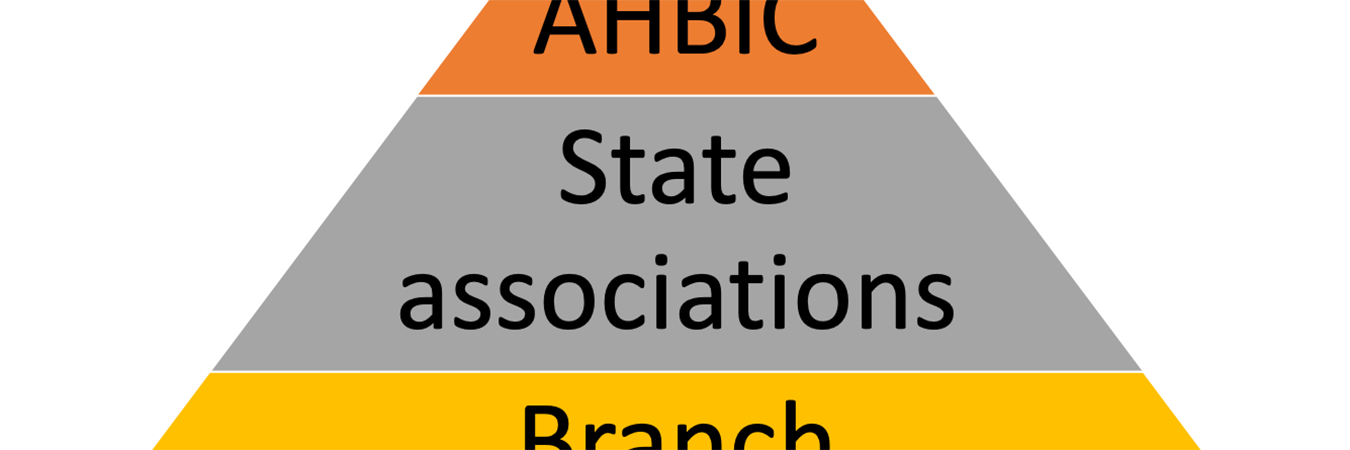
Your beekeeping community needs you
Branch Branches provide the foundation for the state associations and the Australian Honey Bee Industry Council (AHBIC) at the national level. The branch memberships are composed of recreational and professional beekeepers and usually include some of the most respected beekeepers in the industry. Volunteer beekeepers donate their time and expertise to run branch activities and disseminate information between members and ...
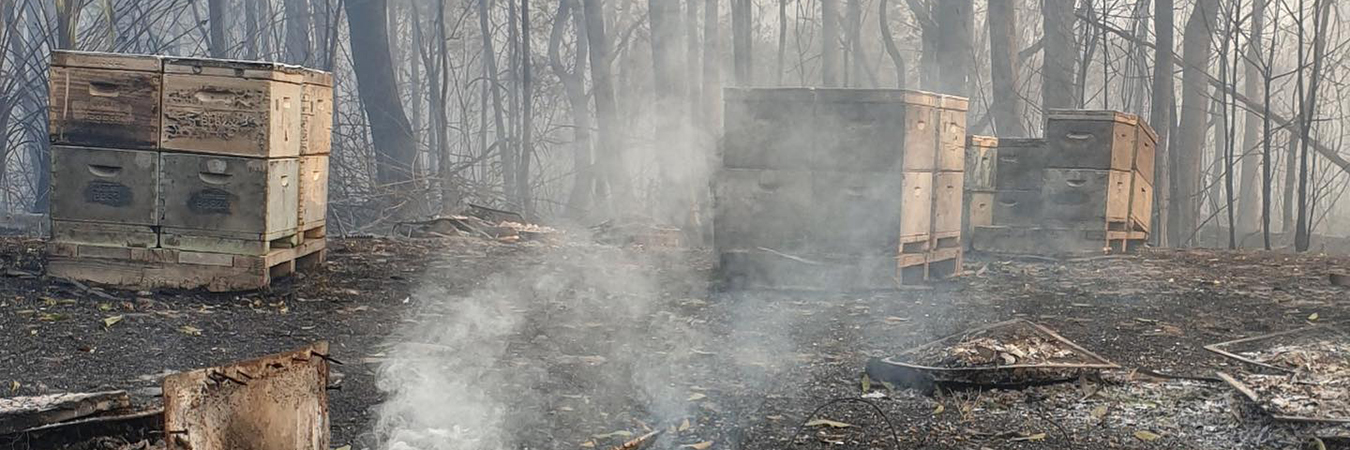
Bushfire and drought recovery for beekeepers
Rural industries have been hit hard by drought and bushfires. The effect on Australia’s beekeepers will be felt for a long time to come, due not only to the immediate loss of floral resources, but because some floral species can take up to 75 years to mature and flower. Many Australians are asking how they can help our beekeeping community, ...
Australian pollinator week
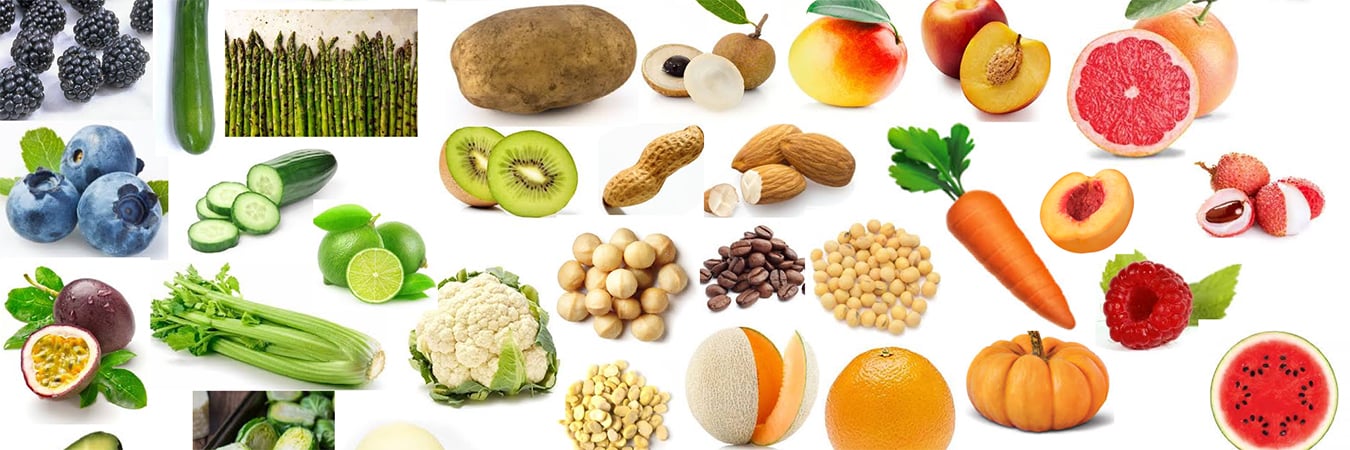
This week is devoted to celebrating pollinators. Pollinators include: bees, flies, wasps, moths, butterflies, bats and other small mammals, and birds. According to an AgriFutures Australia report around 65% of Australian agricultural production depends on insect pollination, and around 35 industries are dependent upon honey bee pollination. In fact, one third of the food you eat relies in some way ...

“Honey and Pollen Flora of South-Eastern Australia” – read all about it
Honey and Pollen Flora of South-Eastern Australia is a long-awaited publication written by Dr. Doug Somerville, Technical Specialist, Bees with the NSW Department of Primary Industries. This book focuses on the value of key plants to nectar-feeding animals in Australia with particular emphasis on honey bee nutritional requirements. Successful beekeepers understand the biology and value of floral resources which provide ...

Australian Honey Bee Industry Council (AHBIC)
The Australian Honey Bee Industry Council (AHBIC) vision is a sustainable and profitable Australian honey bee industry providing food security and market opportunities. AHBIC’s mission is to represent the best interest of the Australian beekeeping industry through advocacy and the prioritizing of research, development and education. Video: In this video, Peter McDonald, chair of AHBIC discusses some of the important work ...
Apiary sites on public lands
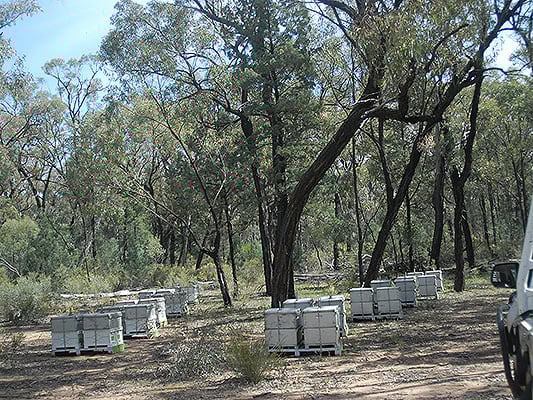
The Australian beekeeping industry depends on access to apiary sites on both private and public land. Private land sites are up to the beekeeper to find and organise with private landholders, whereas public land is available in all states and territories save for the Australian Capital Territory. Each state and territory has their own public land agencies or government agency ...