
Registration
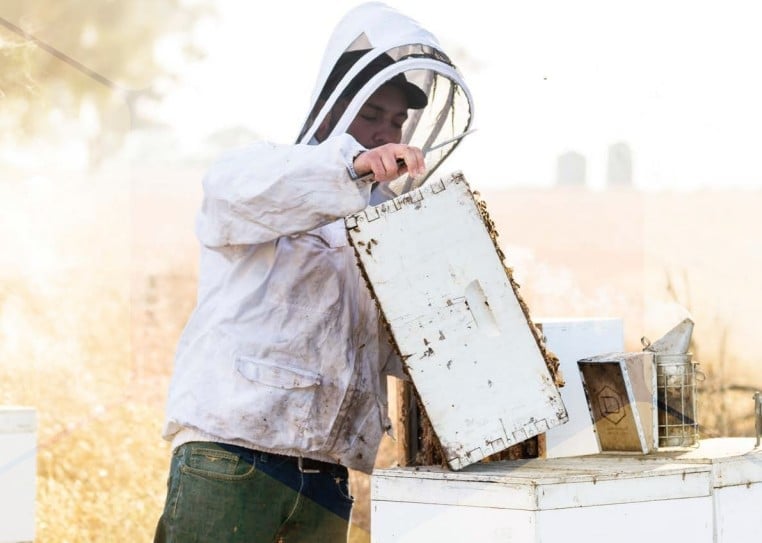
The Honey Bee Biosecurity Code of Practice has been updated
The Australian Honey Bee Industry Biosecurity Code of Practice (the Code) was revised in late 2025 to reflect the establishment of Varroa destructor in parts of Australia. This summary outlines what beekeepers must do to be compliant. Where the Code has been legislated in your state or territory, Part B is compulsory for all beekeepers. Part C adds extra compulsory ...
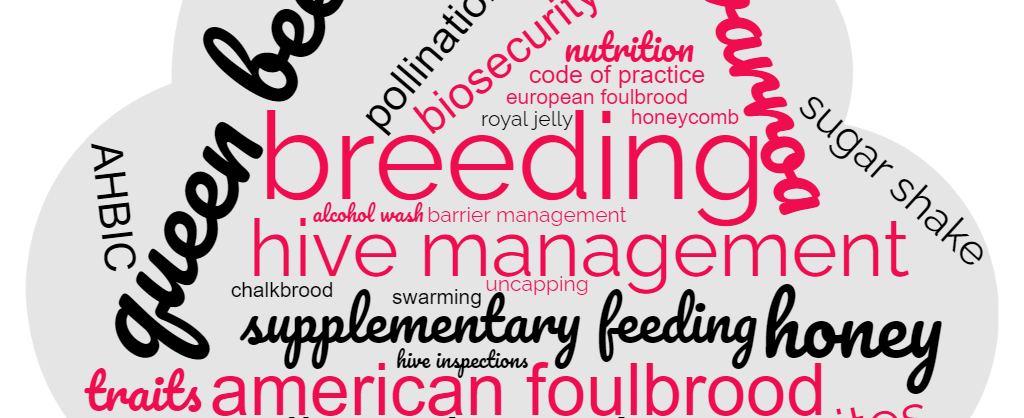
Who is Professional Beekeepers for?
The Professional Beekeepers Community of Practice has been established to meet the needs of rural and regional Australians for the extension of beekeeping knowledge and to promote collaboration on important issues to commercial beekeeping. In short, we provide expert knowledge for a resilient beekeeping community. Anyone can be a professional beekeeper. You can be a commercial beekeeper or a recreational ...
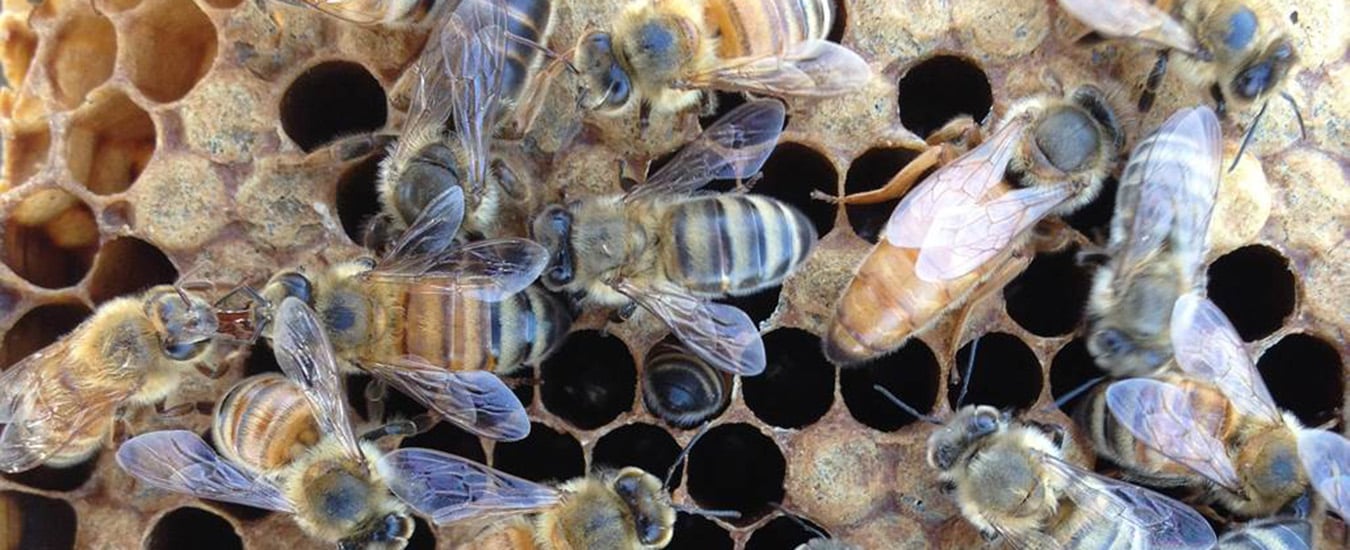
What should you ask your bee breeder?
Good queens are important to ensure productivity and ease of management. Our national honey bee genetic improvement program, Plan Bee, will lead to improvements in bee breeding and our bees. But how do you ensure you’re getting good queens? There are some things you can ask your queen breeder: What cycle length do they use? Queens that are left in ...
Professional Beekeepers Community of Practice
“ExtensionAUS Professional Beekeepers” provides the most current, relevant and accurate information on research, best beekeeping practices, hot topics and business solutions for the Australian beekeeping industry. Professional Beekeepers is an AgriFutures extension initiative. Our website is a “community of practice” led by passionate and knowledgeable industry experts. It is your go to place for best practice, tips and insights on ...
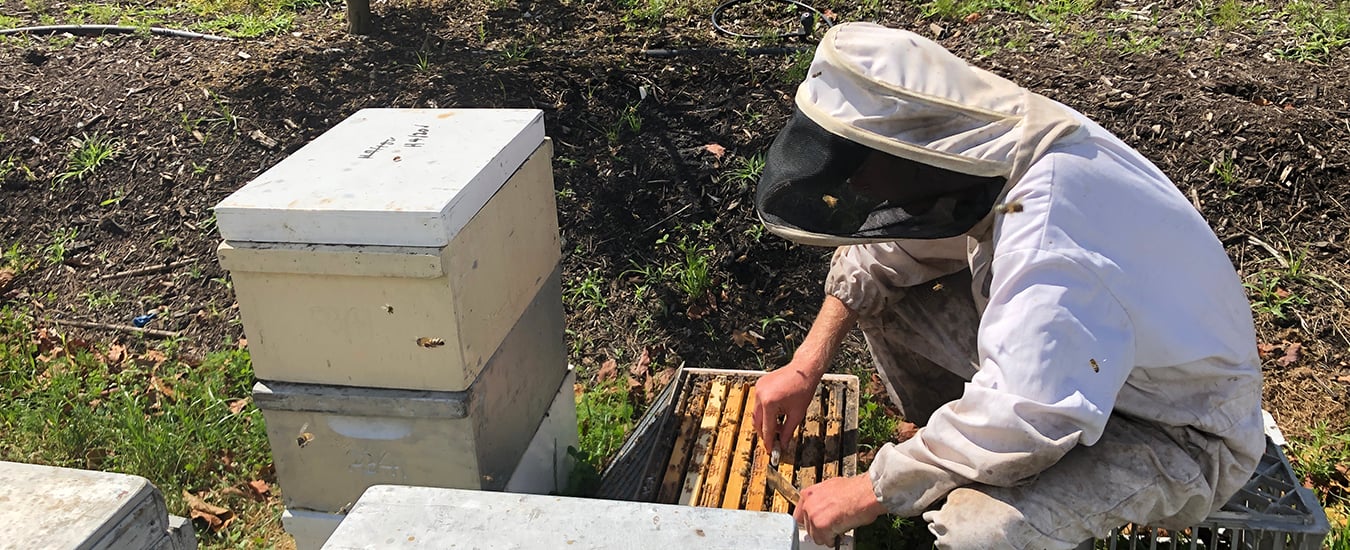
Hive inspections
Under the Australian honey bee industry biosecurity code of practice beekeepers are required to inspect their hives at least twice per year and to keep accurate records. Each hive must be inspected for hive strength and the presence of pests and diseases, inspecting at least three full-depth brood frames. If only two inspections are performed in a year they must ...
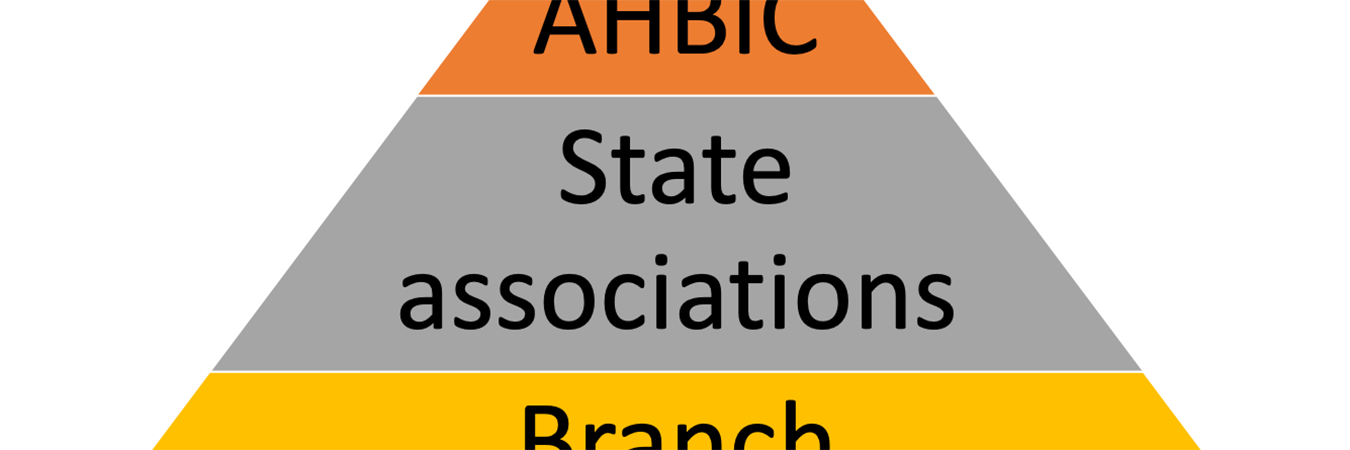
Your beekeeping community needs you
Branch Branches provide the foundation for the state associations and the Australian Honey Bee Industry Council (AHBIC) at the national level. The branch memberships are composed of recreational and professional beekeepers and usually include some of the most respected beekeepers in the industry. Volunteer beekeepers donate their time and expertise to run branch activities and disseminate information between members and ...
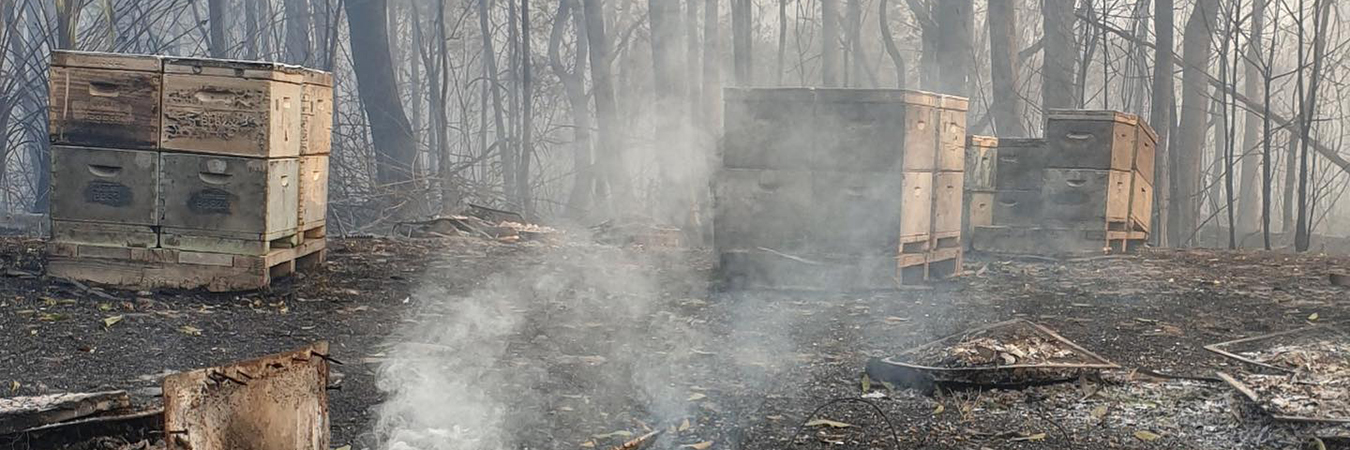
Bushfire and drought recovery for beekeepers
Rural industries have been hit hard by drought and bushfires. The effect on Australia’s beekeepers will be felt for a long time to come, due not only to the immediate loss of floral resources, but because some floral species can take up to 75 years to mature and flower. Many Australians are asking how they can help our beekeeping community, ...
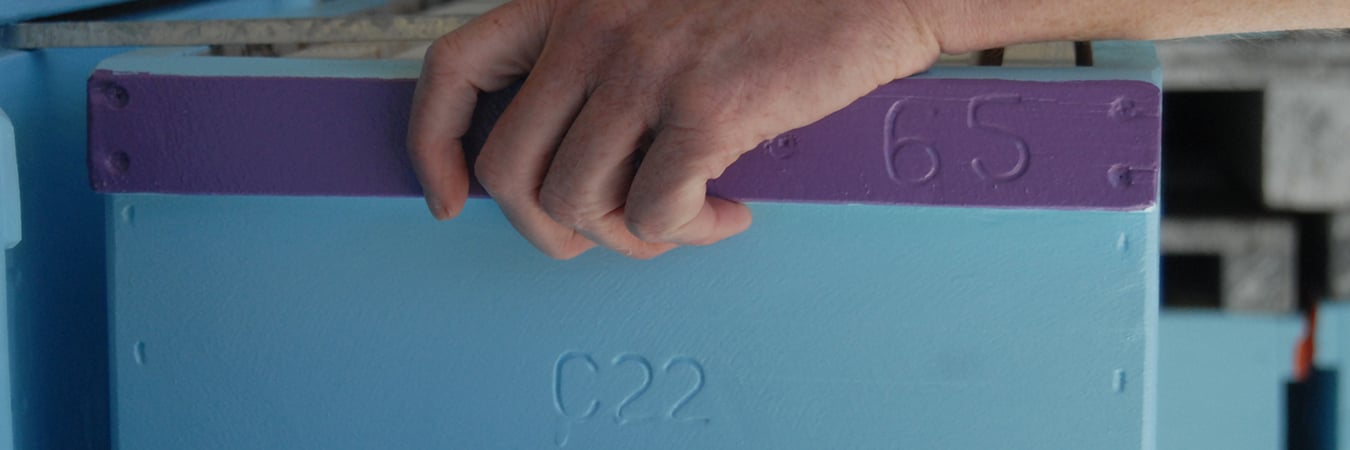
Are your hives registered?
It is important to register your hive/s, no matter how big or small your operations. Not only does this enable the industry to more accurately know how many beekeepers and bee hives there are, it is important for biosecurity and disaster response. Accurate information can be used by the industry to advocate for resources. Further, some resources are available only ...

Australian Honey Bee Industry Council (AHBIC)
The Australian Honey Bee Industry Council (AHBIC) vision is a sustainable and profitable Australian honey bee industry providing food security and market opportunities. AHBIC’s mission is to represent the best interest of the Australian beekeeping industry through advocacy and the prioritizing of research, development and education. Video: In this video, Peter McDonald, chair of AHBIC discusses some of the important work ...
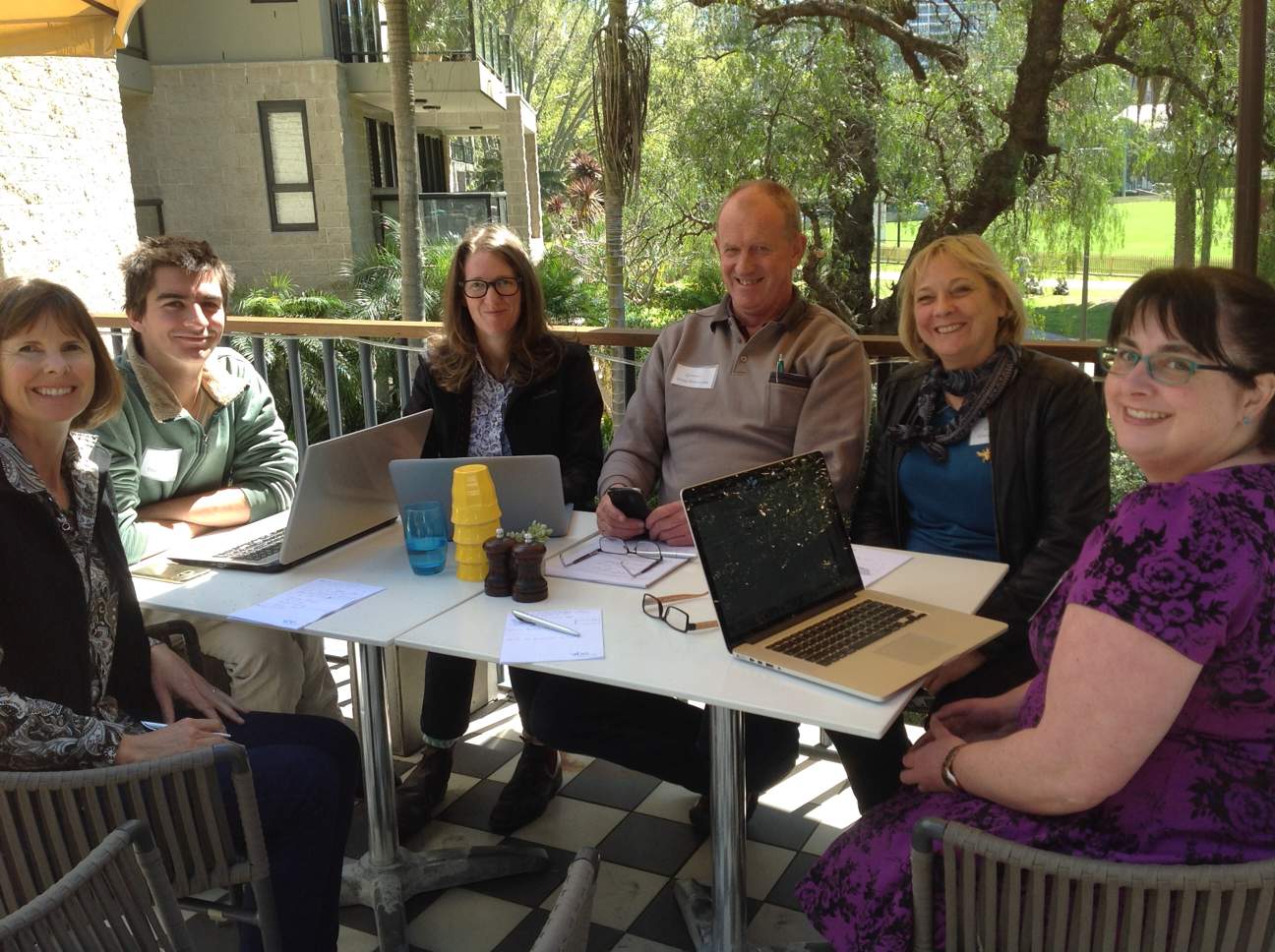
Introducing the Professional Beekeepers Community of Practice
The Professional Beekeepers Community of Practice (CoP) has been established to meet the needs of rural and regional Australia for the extension of knowledge and promote collaboration on important issues to commercial beekeeping. Led by passionate and knowledgeable industry experts from around Australia, the Professional Beekeeping community provides the most recent, relevant and accurate information on the latest research and ...
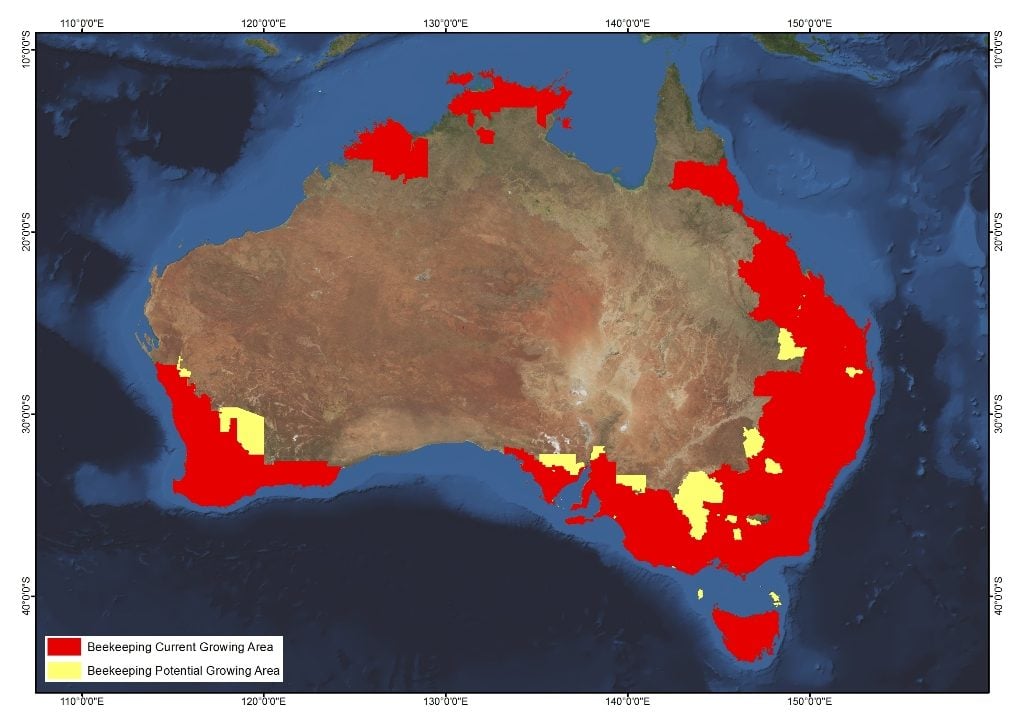
670,000+ registered honey bee hives in Australia
672,216 honey bee hives and 25,495 beekeepers are registered in Australia according to Australian Honey Bee Industry Council (AHBIC) past Executive Director Trevor Weatherhead. TOTAL NUMBER OF BEEKEEPERS NATIONALLY 25,495 TOTAL NUMBER OF BEE HIVES IN AUSTRALIA 672,216 With the assistance of state and territory government staff, Weatherhead compiled an update of beekeeper and hive statistics for Australia, current ...