What Australian beekeepers can expect of hive sensors
Core beekeeping practices have remained largely unchanged since the development of the movable hive frame in the 1800s. Particularly, manual inspections of the hive contents have remained the primary method for evaluating hive condition and identifying and addressing diseases and pests like mites and beetles. In the last decade however, hive sensors that promise to provide remote data on hive condition have emerged. Many beekeepers remain hesitant to adopt hive sensors in Australia. Our work, sponsored by Hort Innovation and Macquarie University, aimed to determine the needs and expectations of the growing pollination and beekeeping industries regarding the use of hive sensors. We conducted surveys and interviews with amateur and commercial beekeepers to identify the main barriers to the adoption of sensors, and perceptions of their costs and benefits. We also tested a range of hive sensors in our hives at Macquarie University. We were able to determine areas for improvement, usefulness and precision of various sensors. Here are our recommendations to beekeepers and hive sensor manufacturers.
Hive sensors accuracy
The good news is that temperature sensors commercially available to beekeepers are generally very reliable and accurate at measuring temperature. Temperature is a useful indicator of colony health and size. Hive scales are also generally reliable, but their accuracy varied and batteries sometimes needed replacement more than once a year. Scales can still be a useful tool to determine when supers are full and ready to harvest. This may help plan inspections and harvests, and prevent hives from becoming honeybound, causing a shrinking in bee numbers.

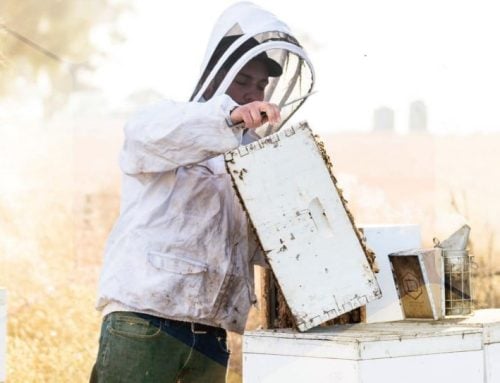
A healthy beehive warms the nest to 34.5 degrees Celsius. Photo Theotime Colin
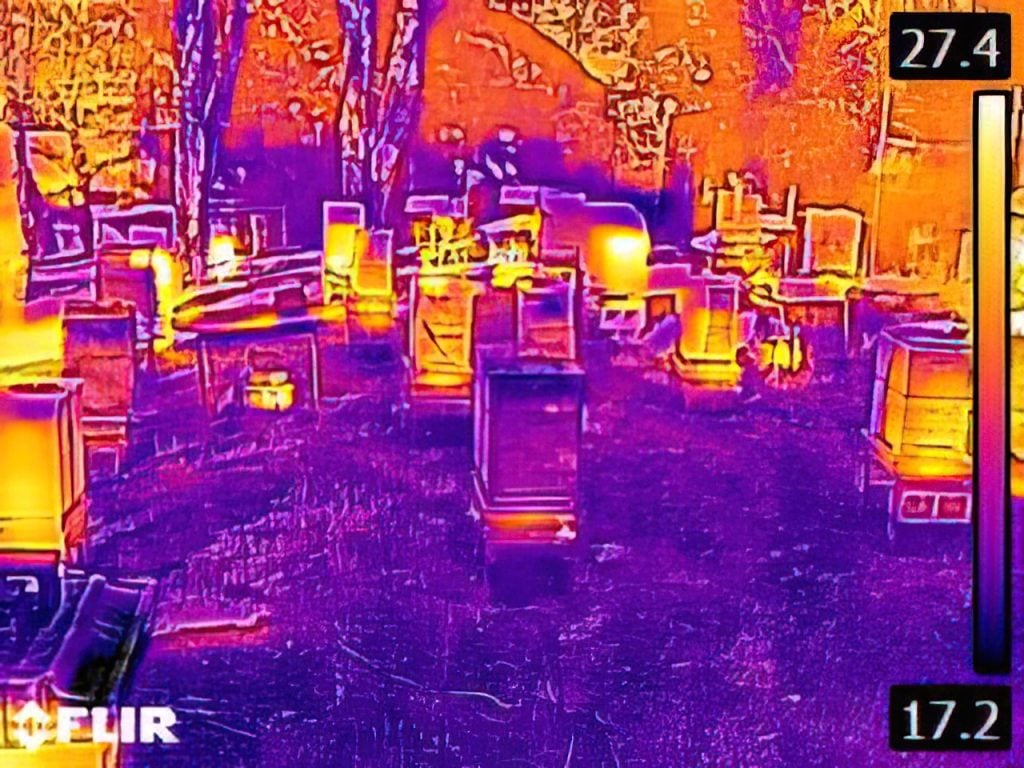
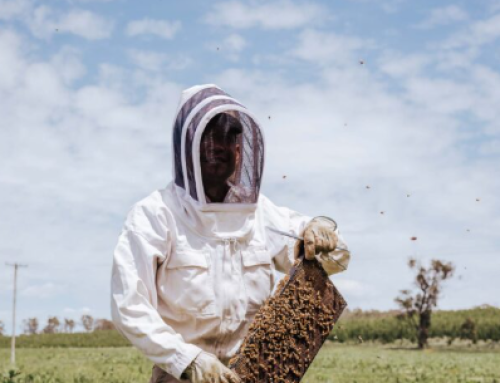
Healthy hives keep warm in winter, while dead or dying ones eventually cool down to the same temperature as the environment. Photo Theotime Colin
Other sensors need more development before we can recommend using them. Sound and vibration sensors and radars produce data that is difficult to analyse and interpret and sometimes requires more power. Further scientific investigation is needed to resolve these limitations before they should be adopted. Humidity sensors often end up propolised, which blocks the sensor from working, although sensors designed to be placed above the frames generally have less issues.
Some companies’ products use software that combines multiple sensor measurements in algorithms to determine the health or size of bee colonies. These automated colony evaluations are dependent on the proper functioning and accuracy of the sensors. For example, systems that rely on humidity sensors which have been blocked up with propolis risk giving false or misleading information.
Connectivity
Sensors typically send data to the internet via a gateway; a small device with a sim card that collects data from all the hives via Bluetooth and sends it online. We found that gateways sometimes cause issues. Gateways can run out of power, and this risks data loss. Some gateways are battery powered and must be recharged regularly, others are solar powered, but those can still depower if blocked by trees.
Gateways fail to function if there is no mobile network coverage in the area for them to send data to. Satellite connection options will solve this problem, and the compressed data are not necessarily very expensive to send.
Other additional factors to consider are that some systems require the beekeeper to organise their own SIM card and phone plan. Beekeepers may need to check they have an active subscription to avoid losing data. Although most of the systems available include an ongoing subscription to an internet provider, beekeepers should ask clearly whether this is the case when considering buying hive sensors.
On occasions, sensors could not connect to gateways when they were located far from them. However, apiaries can be rearranged to optimise the connection between the sensors and the gateways, but would need to be a consideration for the user.
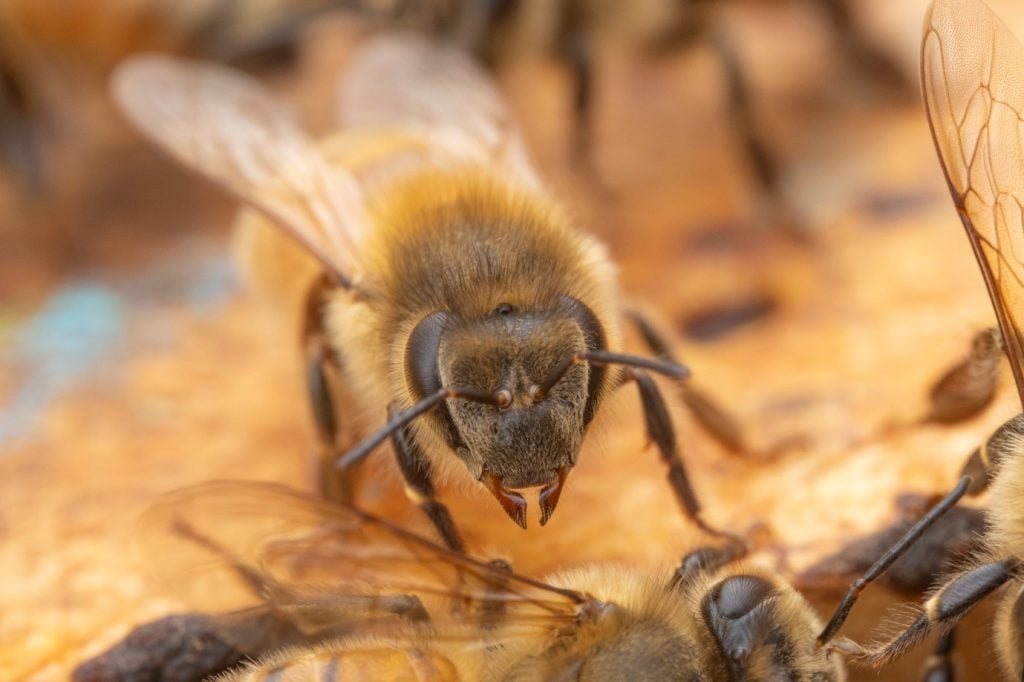
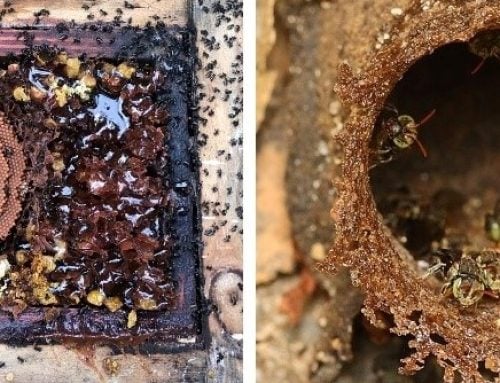
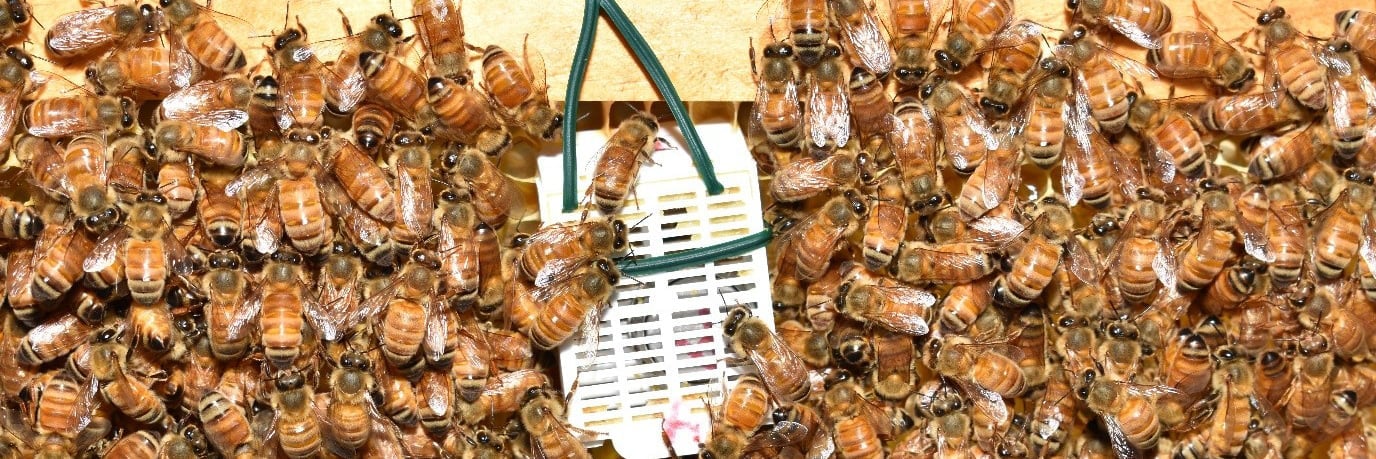
Bees produce heat by vibrating their wing muscles. They also form a mantle to insulate the bee cluster and brood from cold areas. Photo Theotime Colin
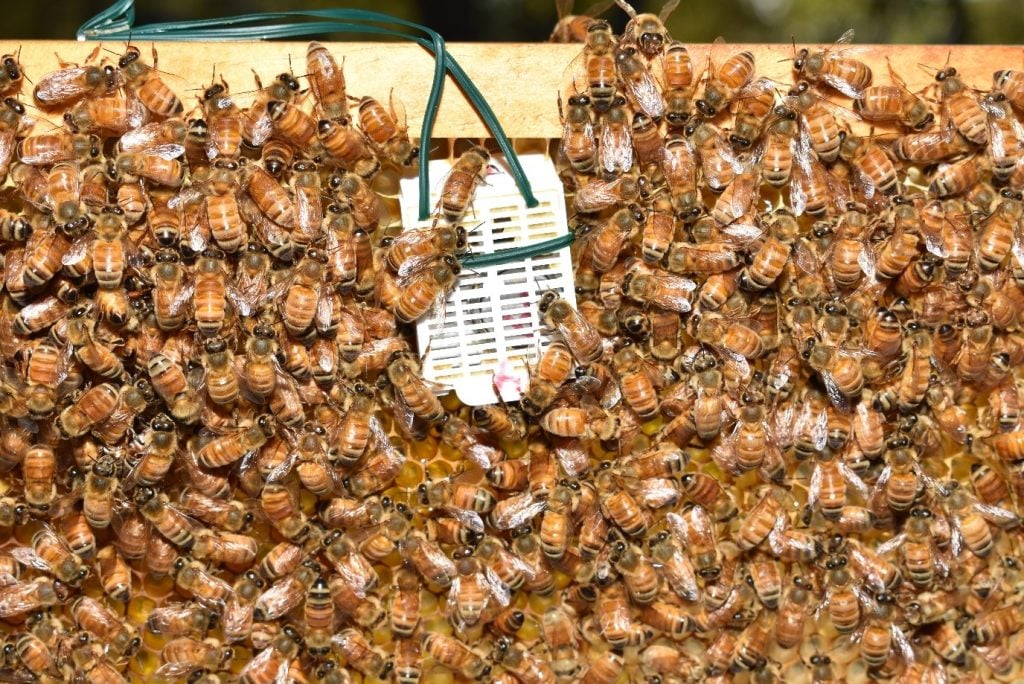
A lab-grade temperature sensor embedded in a frame to assess the data quality from commercial hive sensors. Photo Theotime Colin
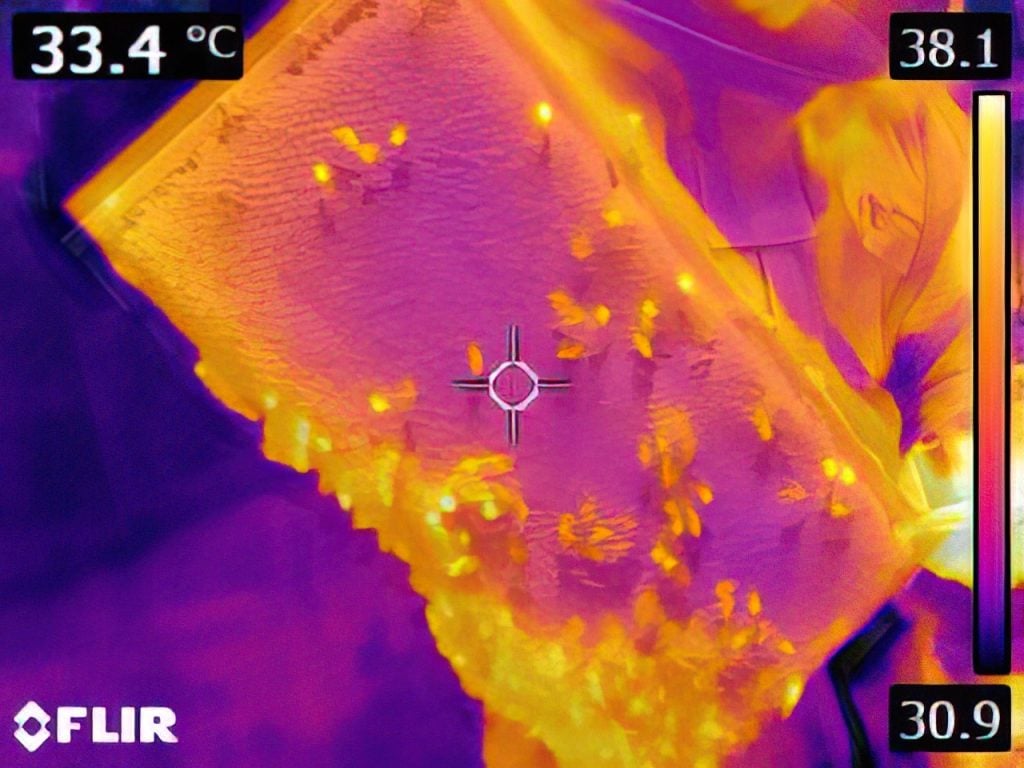
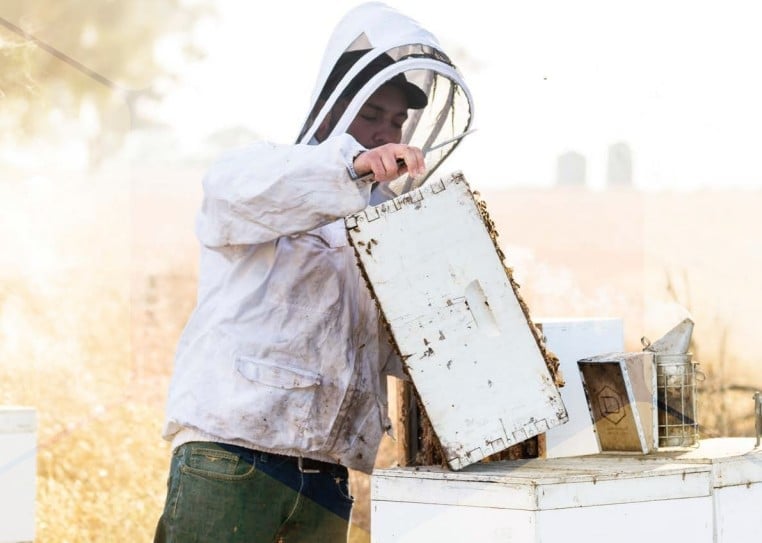
In summer, bees cool down the brood nest by bringing water into the hive that they evaporate through fanning. The centre of the frames around the brood nest is often cooler than the environment. Photo Theotime Colin
Data interpretation and translation
It is fair to say that sensor companies are still optimising how best to translate the data from their sensors into a meaningful hive evaluation, and how best to communicate that information to beekeepers as practical recommendations. There is still research and development to be done here. Currently, with most systems, beekeepers still need to spend time estimating the weight of their supers based on data from scales or inspecting temperature plots for signs of hive weakness.
Costs and benefits
We determined that while the cost of sensors has decreased sharply in recent years, they still require a significant and ongoing financial investment. Commercial beekeepers most likely to benefit from using hive sensors are those with high-value colonies, and for whom remote data collection can reduce travel and labour costs. Those will mainly be beekeepers with multiple sites located far apart. Scales can save a beekeeper eight hours of travel on a rugged road just to find out supers are half empty and uncapped. We found that the cost of scales was still above what beekeepers were willing to pay, but these costs can be reduced by equipping only a few colonies at each site.
In our survey, beekeepers reported queen losses as one of the main causes of hive loss in Australia. One of the main benefits sensors can provide is the early detection of queenlessness and of weak colonies. This helps prevent the spread of brood disease, or the labour costs of dealing with colonies overrun with pests. Slime outs and moth infestations are costly and labour-intensive issues. Equipping all hives with temperature sensors can provide a safety net to avoid occasional but costly losses due to American foulbrood or hive beetle infestation.
Conclusion
Overall, beekeepers can expect that using sensors will help reduce colony losses and the labour associated with losses, but the initial costs remain high.
We believe sensors can be a useful tool when implemented in a strategy of precision beekeeping to optimise colony health and fast track all colonies to a high frame of bees count prior to pollination. They may also help with predicting and managing honey harvests and with record keeping. While costs presently remain higher than what many beekeepers might like to pay, we encourage beekeepers to trial a small number of sensors first on a subsample of their hives to see if they obtain net benefits and consider a strategy of phasing them in.
Acknowledgements
- This project is funded by Hort Innovation, using the Hort Frontiers Pollination Fund research and development levy, contributions from the Australian Government and co-investment from Macquarie University. Hort Innovation is the grower-owned, not-for-profit research and development corporation for Australian horticulture.
- Beekeeping in the digital age: prospects and pitfalls of hive sensors in commercial beekeeping
- This article was peer-reviewed by Nadine Chapman and Dr Casey C. Forster.