Varroa mite resources for Australian beekeepers – Essential information and support

2025-04-14T09:45:02+10:00Agrichemicals, Biosecurity, Breeding, Code of Practice, Managing your hives, Pests and diseases, Training & resources, Varroa|

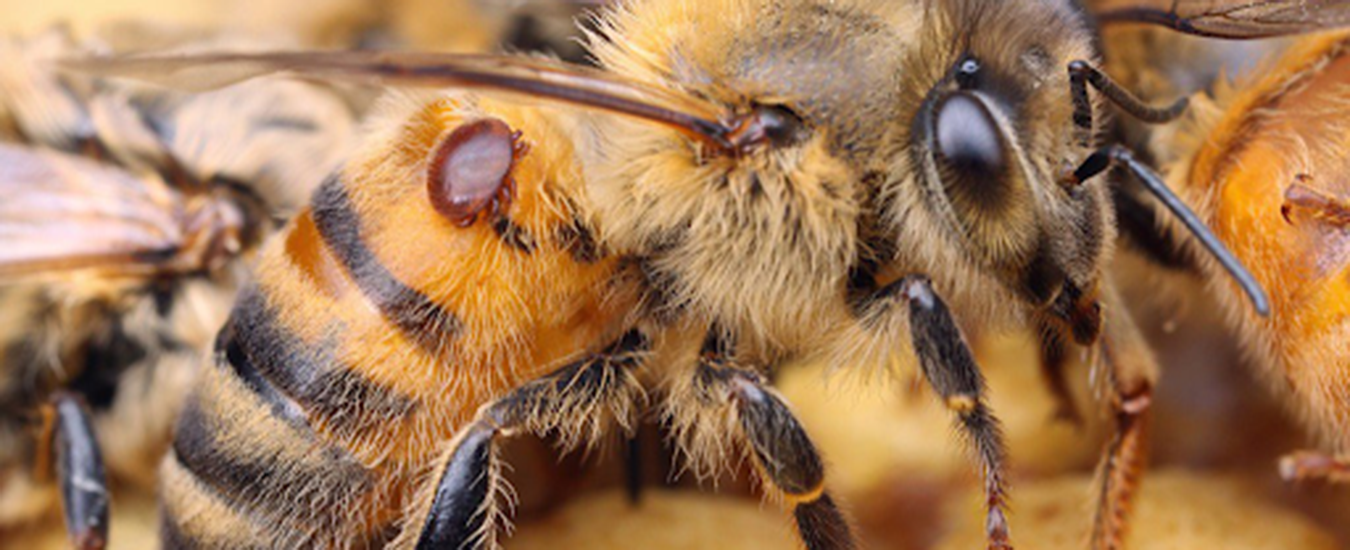
Varroa mite is a major challenge for Australian beekeepers, but there are plenty of resources to help manage the pest and protect honey bee populations. The AgriFutures Australia Varroa Destructor Research Strategy (2024-2027) outlines the plan for future research, while the National Honey Bee Breeding Strategy offers guidance on strengthening bee populations. The National Varroa Mite Management Program offers a comprehensive framework for managing the mite, including pest control strategies and biosecurity guidelines. The Australian Honey Bee Industry Council (AHBIC) has made available a Varroa Chemical Treatment Table that lists approved treatments, as well as critical information on Withholding Periods to ensure safe use of chemicals. For practical advice, AHBIC podcasts and interviews offer insights from industry experts, while the [...]

Varroa management workshops

2025-02-24T15:04:03+11:00Biosecurity, Pests and diseases, Training & resources, Varroa|

Currently New South Wales is the only state to have detected Varroa. Eastern seaboard states are expecting to find it in the near future, while some states and territories are hoping to keep it at bay for many years. No matter where your state is in the journey, education is key.  For states hoping to keep it at bay, a better understanding of the repercussions of having Varroa will be important to deterrence. Their actions have a role in keeping Varroa out and early detection will potentially allow measures to prevent the spread of Varroa further into the state. Many New South Wales beekeepers are currently managing Varroa, or educating themselves for its arrival in their hives as it spreads [...]

One hive or too many to count: Why pest and disease training matters

2021-09-27T14:21:31+10:00Biosecurity, Code of Practice, Managing your hives, Pests and diseases, Policy and compliance, Training & resources|

A experienced beekeeper (20 years of keeping bees) attending training in honey bee biosecurity described to the class how after inspecting some hives and discovering signs of brood disease, 30 hives, the entire apiary on this site had been thrown on the burn pile. Hives with American foulbrood being destroyed. Agriculture Victoria. As the class discussed various pests and diseases of honeybees this beekeeper elaborated on the story about his very recent experience with American Foulbrood (AFB), including the destruction of the bees and hives. The conservatively estimated replacement cost was at least $5000 not including any ongoing production losses. After describing the symptoms present it became clear to the class that in fact, what this beekeeper had [...]

Do you need skilled beekeepers?

2020-12-09T18:07:38+11:00Managing your hives, Policy and compliance, Training & resources|

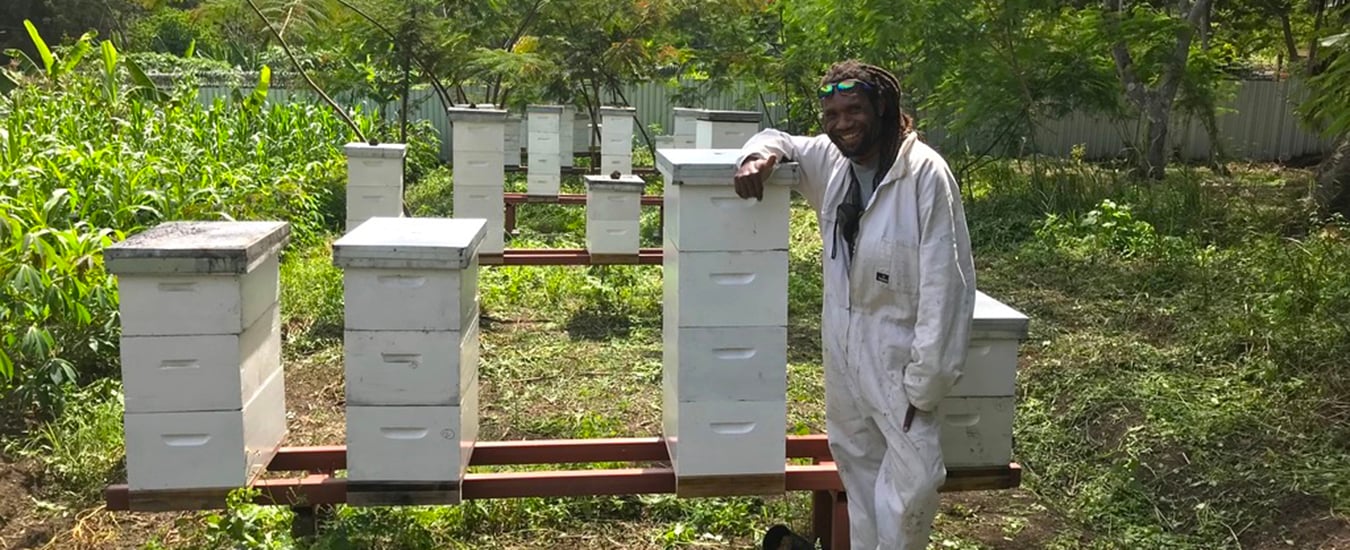
Australian beekeepers who can’t find experienced and local workers to meet their needs can recruit employees from some of our nearest neighbours in the Pacific. Some commercial beekeepers in Australia have already tapped into this resource and the opportunities are apparent. When asked how likely these bee businesses would be to recommend this scheme to other commercial beekeepers, the response was ‘extremely likely’ and the employers indicated that overall, the benefits of participating in the Pacific Labour Mobility Scheme (PLS) outweighed the costs.  Keen and skilled beekeepers in Papua New Guinea The Department of Foreign Affairs and Trade new Pacific Labour Mobility Scheme enables workers to come to Australia to work for one to three years. This program [...]

BOLT: biosecurity online training

2022-05-16T08:35:19+10:00Biosecurity, Code of Practice, Pests and diseases, Policy and compliance, Training & resources|

About the course A brood frame with a poor brood pattern due to chalkbrood infectionM. V. Smith, University of Guelph The Biosecurity for Beekeepers BOLT course provides information about: keeping your honey bees healthy looking for pests and diseases exotic mite surveillance and some measures you can use to protect your apiary. The course supports the Australian Honey Bee Industry Biosecurity Code of Practice (the Code). The development of this course was funded by AgriFutures Australia, and is delivered by the Australian Honey Bee Industry Council and Plant Health Australia. Who is the course for? This course is designed for individuals who have at least a basic understanding of beekeeping practices, and would like to learn more about [...]

Go to Top