The shared impacts of drought

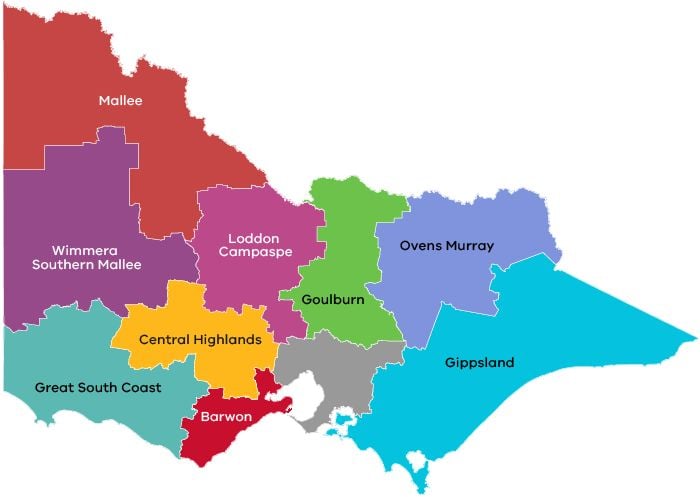
The experience of drought is far more complex than a simple lack of rain and growing of crops. Equally, building resilience to drought is complex and not a one-size-fits-all challenge. Victoria’s 9 Regional Drought Resilience Plans highlight the different priorities and actions needed based on each region’s unique social, economic and environmental landscapes.
There are some common experiences among regions though. Consultation across Victoria consistently found that drought has a significant impact on social and community wellbeing. Communities spoke about the strain of drought often leading to trauma, isolation, and other mental health impacts, as well as the erosion of vital community connections. The regions all highlighted a critical need to invest in local, trusted health services, strengthen social networks, and foster community leadership to ensure people are aware of and connected to services and networks before the next dry period hits.
Regions have articulated the need to be more proactive in preparing for drought at the farm business and regional economy level, to provide a buffer for agricultural communities in drought. For farmers, this might be building skills in financial and risk management, developing efficient water budgets, or generating on-farm income beyond their traditional core business (e.g. through agri-tourism). For regions, investing in new industries to attract people, jobs and supporting services is recognised as key to a diverse and resilient economy.
In all regions, drought impacts the long-term health and productivity of landscapes, in particular First Peoples’ cultural sites and Traditional Owners’ ability to care for Country. Landscapes experience widespread soil and land degradation, depleted water resources, decreased water quality, tree decline, habitat loss, and greater bushfire risk. The Plans all identify priority actions to sustainably manage and use natural resources and build the resilience of the region’s natural capital.
The scale of these issues means a whole-of-region approach is needed to build social, economic and environmental resilience. Check out the Plan for your Region and see what drought resilience activities are already underway.